FUNDING , EXCLUSIVE
How an Astrology App Turned Into a $1 Billion Unicorn—Using Zero VC Dollars for Its Latest Round
How Profitable spiritual tech and a ₹100 Cr ESOP buyback completely rewrote the traditional Indian startup playbook.
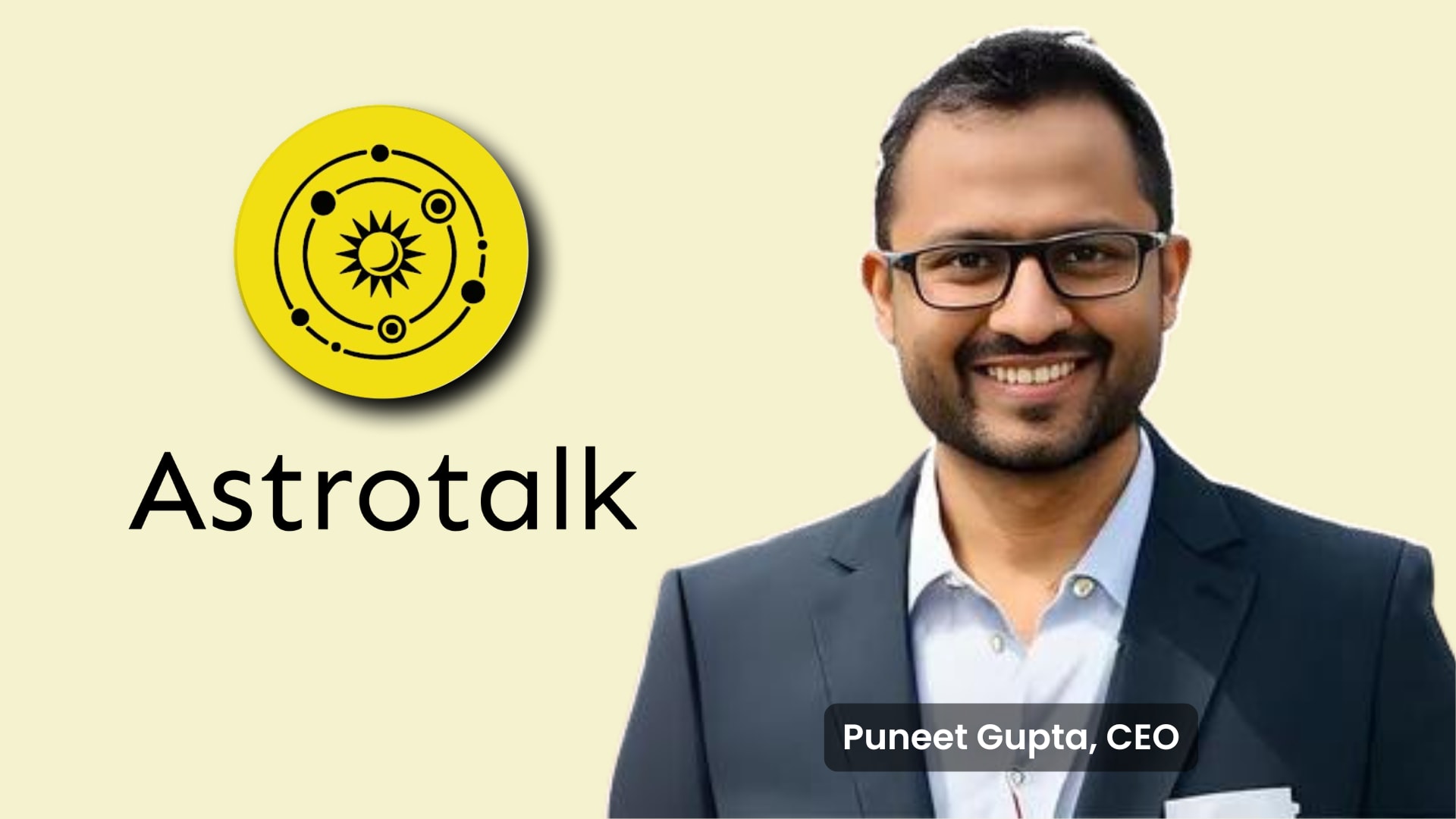
No Investors. No Burning Cash. Just Pure Profits.
For years, big venture capital investors laughed off astrology apps, calling them a "useless fringe niche." While fancy tech startups burned hundreds of millions of rupees every month buying ads and giving out cheap discounts, Astro talk was quietly building a massive moneymaking machine.
Now, the company has officially crossed a $1 Billion valuation (over ₹8,000 Crore)—making it India’s newest unicorn.
But here is the most insane part that has traditional Silicon Valley investors staring at their pitch decks in total shock: They didn't take a single rupee from outside venture funds for this milestone deal.
Instead of giving away company ownership to rich venture capitalists, Astro talk used its own business profits to buy back stock options from its team—turning over 100 regular employees into instant crore patis overnight.
How a Simple Horoscope App Shocked the Tech World
Back in 2017, when founder Puneet Gupta started Astro talk, nobody in the startup ecosystem took him seriously. Startup incubators wanted flashy artificial intelligence apps, food delivery platforms, and rapid-delivery software. Nobody thought people would pay real money to talk to astrologers on a smartphone.
Fast forward to today: Astro talk is doing over 100,000 minutes of daily consultations with thousands of astrologers on its platform.
While popular startups were begging VCs for fresh money every 12 months just to keep their lights on, Astro talk focused on one golden rule: Charge money from Day 1, and make sure every single transaction makes a profit.
The financial numbers tell the real story:
Current Revenue Run-Rate: Over ₹2,500 Crore.
Profit Before Tax (PBT): A staggering ₹285 Crore in FY25.
Daily Commerce GMV: Generating roughly ₹1 Crore per day through online spiritual e-commerce (selling lab-certified gemstones).
3 Rules Astro talk Broke to Become a $1B Empire
1. Customer Loyalty Beats Flashy Code
Most tech startups spend $1.50 just to earn $1.00 from a customer. Astro talk realized that in India, people don't just want fancy apps—they want trust and emotional guidance. Tapping into deep cultural habits around astrology, horoscopes, and spiritual wellness created higher willingness-to-pay than almost any traditional productivity software on the market.
2. Real Cash Flows Outperform Pitch Decks
If you depend on VCs for your monthly payroll, you don't own your company—the VCs do. Because Astro talk made ₹285 Crore in actual profit, they didn't have to beg outside investors for a higher valuation. They decided what their company was worth, wrote checks out of their own bank account, and bought back shares directly from their early staff.
3. True Wealth Creation Stays In-House
In typical VC-funded startups, founders and investors pocket 95% of the money during big exits, while early engineers and marketers get left behind with paper stock options. By executing a ₹100+ Crore ESOP buyback, Astro talk rewarded the very engineers, support leads, and marketers who built the business—proving that employees who think like owners should get paid like owners.
The Big Takeaway for Indian Founders
You do not need an elite degree, a fancy office in HSR Layout, or an AI wrapper to build a billion-dollar enterprise.
Find a real problem that everyday consumers care about, charge money for value on Day 1, keep your operating costs low, and let your balance sheet do the talking.
What do you think? Is spiritual tech the ultimate bootstrapped business model, or will VCs eventually catch up? Let us know your thoughts in the comments below!