BREAKING
Abu Dhabi court holds NMC Health founder BR Shetty liable for $5.4 billion fraud
Justice Sir Andrew Smith sets $5.397 billion as starting assessment for contributions from Shetty and former CEO Prasanth Manghat following group collapse.
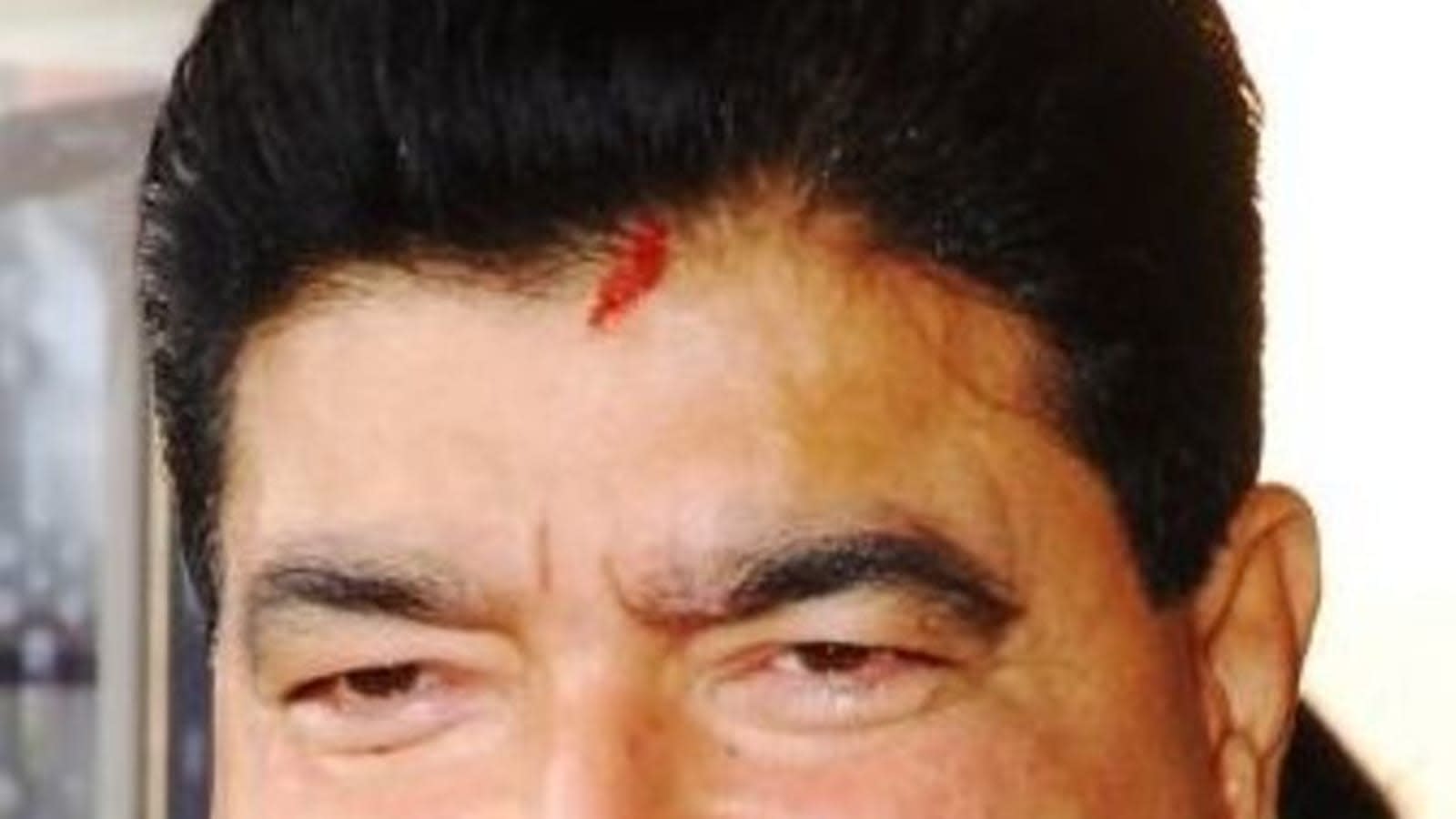
The Abu Dhabi Global Market (ADGM) Court of First Instance has held NMC Healthcare founder Bavaguthu Raghuram Shetty and former chief executive officer Prasanth Manghat liable for fraudulent and wrongful trading in connection with a $5.397 billion financial collapse. Justice Sir Andrew Smith ruled that both men knowingly participated in a fraudulent scheme between April 2012 and April 2020 to misappropriate company funds, conceal billions in borrowings, and inflate financial statements.
The judge set $5.397 billion as the initial baseline for calculating the monetary contributions Shetty and Manghat must make to NMC Healthcare's assets. Justice Smith stated that the court will establish the exact final sum payable by each individual following further legal submissions from the parties.
How the multi-billion dollar fraud was executed
NMC Healthcare was founded by Shetty in Abu Dhabi in 1975 before listing on the London Stock Exchange in 2012 and subsequently entering the FTSE 100 index. Joint administrators appointed to manage the group revealed that senior management systematically diverted group funds for personal use while hiding vast sums of debt from lenders and auditors.
Court records revealed that over 500 direct transfers totalling AED 4.18 billion were made into Shetty's personal bank accounts, including accounts maintained at Bank of Baroda. After accounting for money transferred back into the company, net direct payments to Shetty stood at approximately AED 2.6 billion. The court heard that these payments carried no legitimate business purpose and were used to acquire luxury private assets, including real estate in Dubai Hills, private aircraft, and investments in a Wyoming oil field.
In addition to direct transfers, joint administrators identified indirect payments amounting to at least AED 426.4 million. These funds were channelled from NMC Group companies to third-party entities, including Nexgen, GGCM, and FFT, before being routed directly into Shetty's personal accounts.
Former chief executive officer Prasanth Manghat was also found to have improperly received funds from the healthcare group. The court noted that Manghat received at least AED 9.3 million between April 2012 and March 2020, along with two additional payments totalling AED 4 million made on 7 November and 13 November 2019.
Fake invoices and hidden bank borrowings
The scale of undisclosed debt formed a central part of the court's findings. By December 2018, NMC Group had accumulated approximately $3.88 billion in hidden borrowings while reporting balance sheet debt of just $1.99 billion. The court found that an inadequate accounting infrastructure allowed key executives to mask the group's true financial liabilities from shareholders, lenders, and auditor EY during a March 2019 audit review.
To generate short-term cash flow without raising balance sheet debt, the group relied heavily on sham supplier transactions. Under these arrangements, suppliers issued fake invoices for goods or services that were never intended to be delivered. Partner banks financed these fraudulent invoices, and the funds were subsequently redirected back into NMC Group companies to maintain operational appearances.
Shetty argued in court that he was unaware of the scheme and was himself a victim of fraud perpetrated by senior executives. Manghat similarly argued that he lacked control over the group's financial operations. Justice Smith rejected both defences, noting that Manghat’s claim of lacking control was "an unlikely submission from a man who was the CEO of a FTSE 100 company" and was inconsistent with the presented evidence.
Key financial metrics of the NMC Health fraud
| Measure / Claim | Financial Amount | Details and Findings |
|---|---|---|
| Total liability baseline | $5.397 billion | Initial assessment set by ADGM Court for Shetty and Manghat |
| Net direct transfers to Shetty | AED 2.6 billion | Net payments across 500+ transfers (AED 4.18 billion gross) |
| Indirect transfers to Shetty | AED 426.4 million | Routed via Nexgen, GGCM, and FFT to personal accounts |
| Undisclosed group borrowings | $3.88 billion | Accumulated by Dec 2018 against $1.99 billion reported debt |
| Direct payments to Manghat | AED 13.3 million | AED 9.3m (2012–2020) plus AED 4m in November 2019 |
| ADCB claim against Manghat | $1.022 billion | Outstanding liabilities plus $168.98m in lost profit |
Why it matters
This judgment marks one of the largest corporate fraud liability rulings involving an Indian-origin promoter in the Middle East. For investors, banking institutions, and cross-border lenders, the ruling exposes structural vulnerabilities in dual-listed enterprise governance across London and Gulf markets.
For founders and corporate boards in emerging markets, the case underscores that executive management and controlling shareholders face joint and personal financial liability under regional insolvency regulations when systemic misrepresentation occurs, even across complex international holding structures.
Bank of Baroda settlement and ADCB claims
The legal proceedings comprised two distinct actions in the ADGM Court of First Instance. In the second action, Abu Dhabi Commercial Bank (ADCB) filed claims directly against Manghat, alleging he knowingly participated in the fraud and provided false assurances regarding NMC's solvency. The court ruled in favour of ADCB, finding Manghat liable for $1.022 billion in outstanding liabilities and an additional $168.98 million in lost profit.
Bank of Baroda was initially named as a defendant after joint administrators alleged that Shetty struck an arrangement with the bank's then managing director, PS Jayakumar. Administrators claimed that Shetty agreed to repay NMC's outstanding loans to Bank of Baroda in exchange for the bank not revealing the true position of NMC's accounts to statutory auditors.
However, Justice Smith declined to make any adverse finding against Bank of Baroda or Jayakumar, stating it would be unfair to do so. Bank of Baroda reached an out-of-court settlement with joint administrators towards the end of the trial, leading to the formal discontinuation of claims against the Indian state-owned lender. Bank of Baroda was represented by senior advocate Harish Salve KC alongside international law firms Baker McKenzie and Poovayya & Co.
What happens next
The parent company NMC Health plc was initially placed under administration by the English High Court in April 2020, followed by ADGM Court administration for NMC Healthcare, NMC Holding, and 34 group subsidiaries in September 2020.
The ADGM Court has scheduled a subsequent hearing to determine the exact monetary contributions owed by Shetty and Manghat under sections 251 and 252 of the ADGM Insolvency Regulations 2022. The upcoming hearing will also settle statutory interest, legal costs, and outstanding cross-claims brought by Shetty and Bank of Baroda against other defendants in the proceedings.