PRESS RELEASE
CAP Freedom of Conscience Raises Concerns at UN Human Rights Council Over Detention of Shincheonji Leader Lee Man-hee
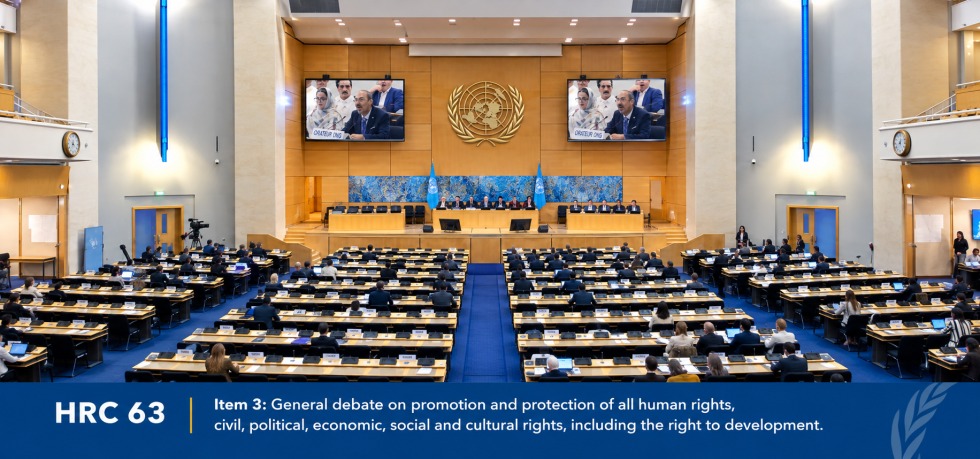
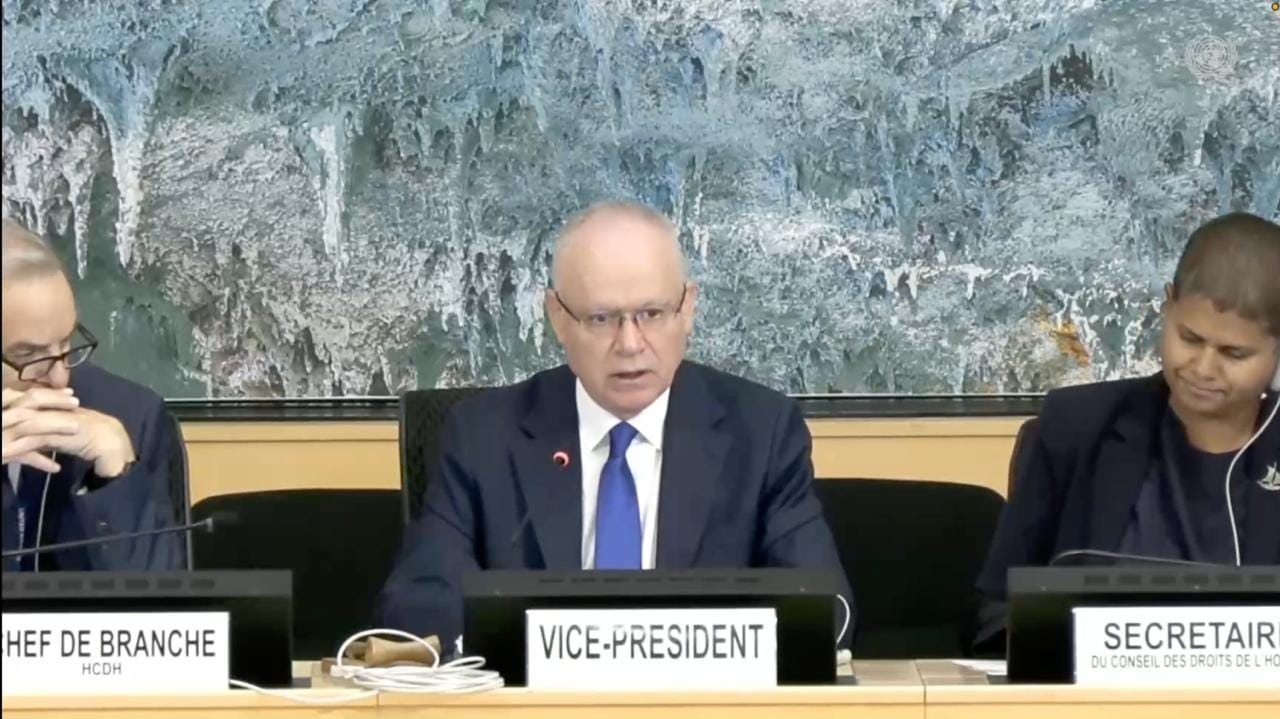
Geneva, 21 October 2026: CAP Liberté de Conscience (CAP Freedom of Conscience), a non-governmental organisation with United Nations Economic and Social Council (ECOSOC) consultative status, delivered an oral statement during the General Debate under Item 3 of the 63rd session of the United Nations Human Rights Council, raising concerns over the pretrial detention of Lee Man-hee, the 95-year-old founder and leader of the Shincheonji Church of Jesus in the Republic of Korea.
The statement focused on concerns regarding the circumstances of Lee's detention, the treatment of religious minorities, and the Republic of Korea's obligations under international human rights law. It called for measures to ensure humane treatment, access to independent medical assessment, and a fair and impartial judicial process.
Lee Man-hee, a veteran of the Korean War, is currently being held at the Seoul Detention Center on non-violent charges, according to the organisation. CAP Freedom of Conscience expressed concern over the necessity and proportionality of his continued detention, noting that his age, fixed residence, and the reported absence of a flight risk warranted consideration of alternatives to incarceration.
The organisation also highlighted concerns about the conditions in which Lee was reportedly detained during Seoul's severe summer heatwave. According to the statement, he was held in cells without air conditioning, raising questions about the adequacy of detention conditions for a 95-year-old individual and the potential implications for his health and well-being.
Human Rights Obligations and Religious Freedom
During its intervention at the Human Rights Council, CAP Freedom of Conscience referred to several international standards governing detention, the treatment of detainees, and the protection of fundamental freedoms.
The organisation cited Article 9 of the International Covenant on Civil and Political Rights (ICCPR), which protects against arbitrary arrest and detention and establishes safeguards concerning deprivation of liberty. It also referred to Article 10, which requires that all persons deprived of their liberty be treated with humanity and respect for their inherent dignity.
The statement further referenced the United Nations Standard Minimum Rules for the Treatment of Prisoners, known as the Nelson Mandela Rules, which establish standards for humane detention and access to healthcare. It also highlighted the United Nations Standard Minimum Rules for Non-custodial Measures, known as the Tokyo Rules, which encourage the consideration of non-custodial alternatives where appropriate.
In addition, CAP Freedom of Conscience emphasised Article 18 of the ICCPR, which protects the right to freedom of thought, conscience, and religion. The organisation expressed concern that the case could raise broader questions about the treatment of religious minorities and the protection of freedom of religion or belief in the Republic of Korea.
The concerns raised by the organisation underscore the importance of ensuring that legal proceedings involving members of religious communities are conducted in accordance with due process, equality before the law, and applicable international human rights standards.
Call for Proportionate Measures and a Fair Judicial Process
Through its oral statement, CAP Freedom of Conscience urged the Human Rights Council to call on the Republic of Korea to uphold its international human rights obligations and ensure that Lee's detention and judicial proceedings comply with established legal safeguards.
The organisation called for the consideration of alternatives to pretrial detention, an independent medical assessment of Lee's health, and appropriate measures to safeguard his well-being while legal proceedings continue.
It also stressed the importance of ensuring a fair and impartial trial, free from discrimination based on religion or belief.
The intervention forms part of CAP Freedom of Conscience's broader advocacy for the protection of freedom of religion or belief and its engagement with European and international institutions on alleged human rights violations affecting religious and belief communities.
About CAP Liberté de Conscience
CAP Liberté de Conscience, also known as CAP Freedom of Conscience, is a secular European non-governmental organisation established in 1995. The organisation holds consultative status with the United Nations Economic and Social Council (ECOSOC) and works to protect freedom of religion or belief and combat discrimination based on religious or philosophical convictions.
The organisation collects testimonies concerning discrimination and human rights violations affecting religious and belief communities and brings relevant concerns to the attention of European and international institutions. It also advocates for the recognition and protection of the rights of religious and spiritual groups facing discrimination.
CAP Freedom of Conscience is a member of the European Federation for Freedom of Belief (FOB) and the European Network on Religion and Belief (ENORB), and participates in the Civil Society Platform of Fundamental Rights established by the European Union Agency for Fundamental Rights.
Watch the Statement
The full oral statement delivered during the General Debate under Item 3 of the 63rd session of the UN Human Rights Council is available through the following sources:
- CAP Freedom of Conscience video: https://www.youtube.com/watch?v=lFdF4cvfSqE
- Official UN Web TV recording: https://webtv.un.org/en/asset/k11/k118fegrj7
- Source article: https://freedomofconscience.eu/oral-statement-on-the-situation-of-chairman-lee-man-hee-in-pretrial-detention-in-the-republic-of-korea-general-debate-under-item-3-63rd-session-of-the-human-rights-council/
Media Contact:
CAP Liberté de Conscience (CAP LC)
117, Rue de Charenton, 75012 Paris, France
Website: https://freedomofconscience.eu/cap-lc-contact/