Chennai-Based Wheelocity Raises Rs 82 Crore to Transform Rural Supply Chains
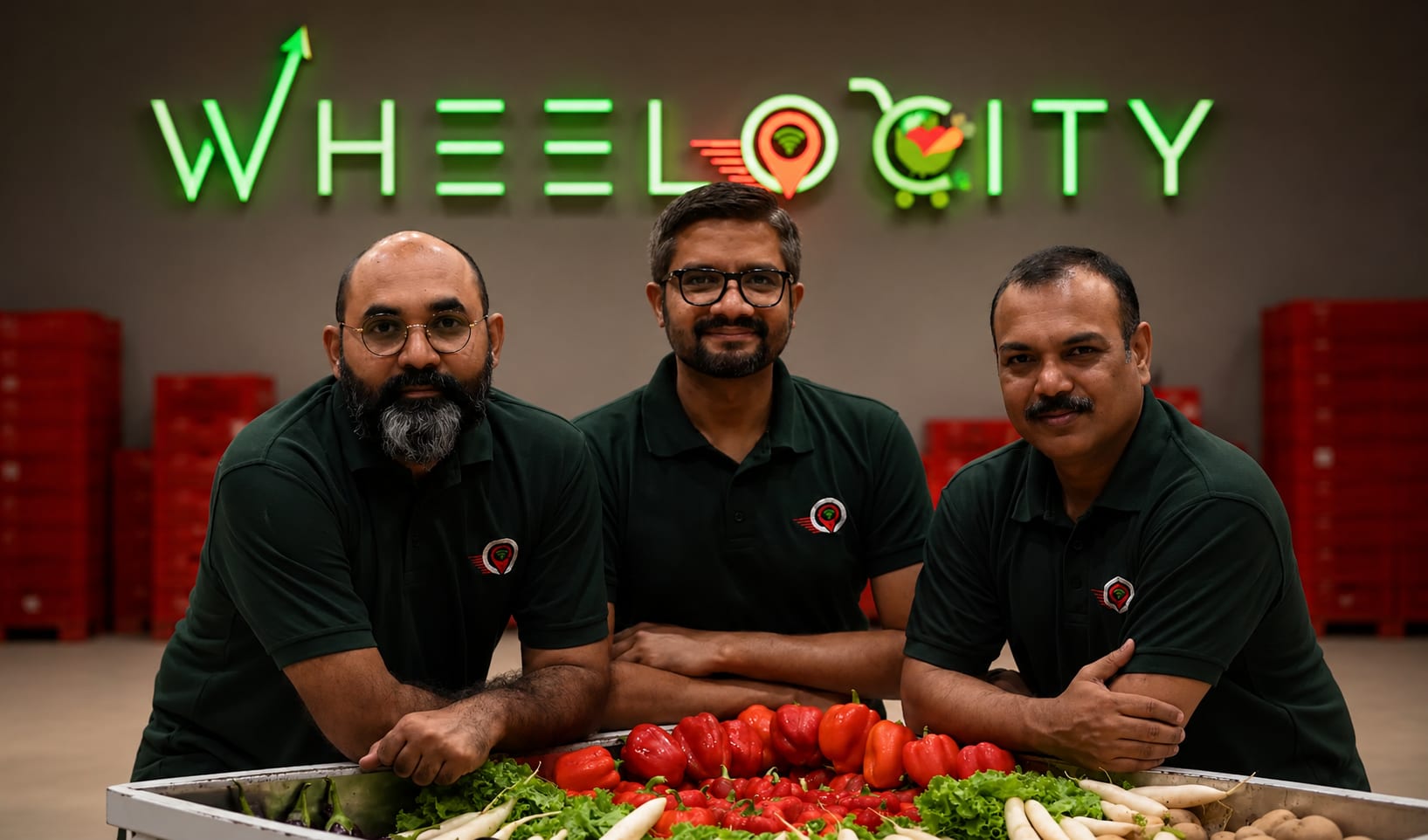
In a significant boost for India’s rural tech ecosystem, Chennai-based startup Wheelocity has raised Rs 82.36 crore in an ongoing funding round. The capital comes from a mix of new institutional investors, existing backers, and angel investors, underscoring growing confidence in startups addressing India’s vast rural economy.
According to filings with the Ministry of Corporate Affairs cited by Inc42, the round was executed in three tranches. The largest tranche, in June, saw EE-FI, an alternative investment fund managed by Elevar Equity, invest Rs 54.99 crore through its trustee Vistra ITCL India Limited. Earlier, Lightspeed India Partners III LLC, LS Opportunities Access Fund LP, Grand Anicut Fund 3, and Magnum LLC participated in a Rs 16.32 crore tranche. In March, a group of individual investors including VML Karthikeyan, Lakshmi Narayanan Senthilnathan, V.M. Lakshminarayanan, L. Gurusami, and Unimix LLC contributed Rs 11.05 crore across two transactions.
From B2B Supply Chain to Consumer-Facing Rural Commerce
Founded in 2021 by Selvam, Senthil Kumar A, and Amresh Singh, Wheelocity began as a B2B supply chain partner for quick-commerce and e-commerce giants such as Blinkit, Swiggy Instamart, and Zepto. The startup leveraged its expertise in logistics and last-mile delivery to support urban hyperlocal platforms.
However, by October 2023, the founders identified a much larger opportunity and problem in rural India. Millions of villagers struggle with inconsistent access to fresh produce and daily groceries due to fragmented retail channels, poor infrastructure, and multilayered supply chains, which lead to high wastage and inflated prices.
This insight prompted a strategic pivot to a direct-to-consumer model while retaining strengths in supply chain efficiency. Today, Wheelocity operates a hybrid online-offline commerce platform tailored specifically for rural markets.
Hybrid Model Meets Rural Realities
Consumers in Wheelocity’s network can order through the company’s mobile app or purchase directly from branded electric carts that serve as mobile stores in villages. This dual approach bridges the digital divide: tech-savvy users order online, while others benefit from physical access points that come to their doorstep.
At the heart of Wheelocity’s operations is a zero-inventory, pitstop-based flow-through model. Fresh produce is sourced directly from farmers, routed through local hubs, and delivered to customers within 24 hours of harvest. This dramatically reduces food wastage compared to traditional supply chains that often involve multiple intermediaries and long storage periods.
The startup has heavily invested in technology to make this model scalable. It uses AI for demand forecasting, route optimization, and real-time fleet tracking. Its last-mile delivery network runs entirely on electric vehicles, aligning with sustainability goals while keeping operational costs lower in price-sensitive rural markets.
Impressive Scale and Rural Impact
Wheelocity’s traction demonstrates the appetite for organized rural commerce. The company claims to serve more than 5 lakh households across over 3,300 villages. It employs over 1,500 rural workers, creating direct livelihood opportunities in areas that desperately need them. Its electric vehicle fleet covers more than 1 lakh kilometres every day, showcasing an impressive operational footprint for a relatively young startup.
Amresh Singh, who served as Chief Product Officer, left the company in 2023 and later joined Amazon as an operations manager in early 2024. The remaining founders continue to steer Wheelocity’s growth.
Why Investors Are Betting Big on Rural Tech
This funding round highlights a key trend: investors are increasingly backing startups that solve India’s Bharat-specific challenges rather than copying urban success stories. Rural India, home to nearly 65% of the population, represents a massive untapped market for organized retail and efficient supply chains.
Wheelocity’s model stands out because it tackles multiple pain points simultaneously: farmer income (through direct sourcing), consumer access (fresh, affordable produce), employment (rural jobs), and sustainability (electric vehicles and reduced wastage).
The involvement of sophisticated investors like Elevar Equity and Lightspeed India signals belief in Wheelocity’s ability to scale further. The capital will likely be used to expand village coverage, strengthen the technology stack, deepen farmer partnerships, and enhance the product assortment beyond fresh produce to include groceries and essentials.
Challenges and Future Roadmap
Operating in rural markets brings unique challenges: variable road infrastructure, lower digital literacy in some segments, and seasonal demand fluctuations. However, Wheelocity’s hybrid model and AI-driven operations position it well to navigate these hurdles.
As India’s rural economy digitizes through initiatives like ONDC and growing smartphone penetration, platforms like Wheelocity could become critical infrastructure for the next phase of inclusive growth.
For the founders, the journey from B2B logistics player to rural commerce leader reflects a willingness to listen to the market and pivot boldly. With fresh capital in hand, Wheelocity is now poised to deepen its impact across thousands more villages.
The success of this funding round is not just a win for one Chennai startup; it’s a promising indicator for the entire rural tech ecosystem. As more capital flows into Bharat-focused innovations, the gap between urban and rural India may finally begin to narrow.