Darkins Chocolates: Reshaping India’s Chocolate Experience
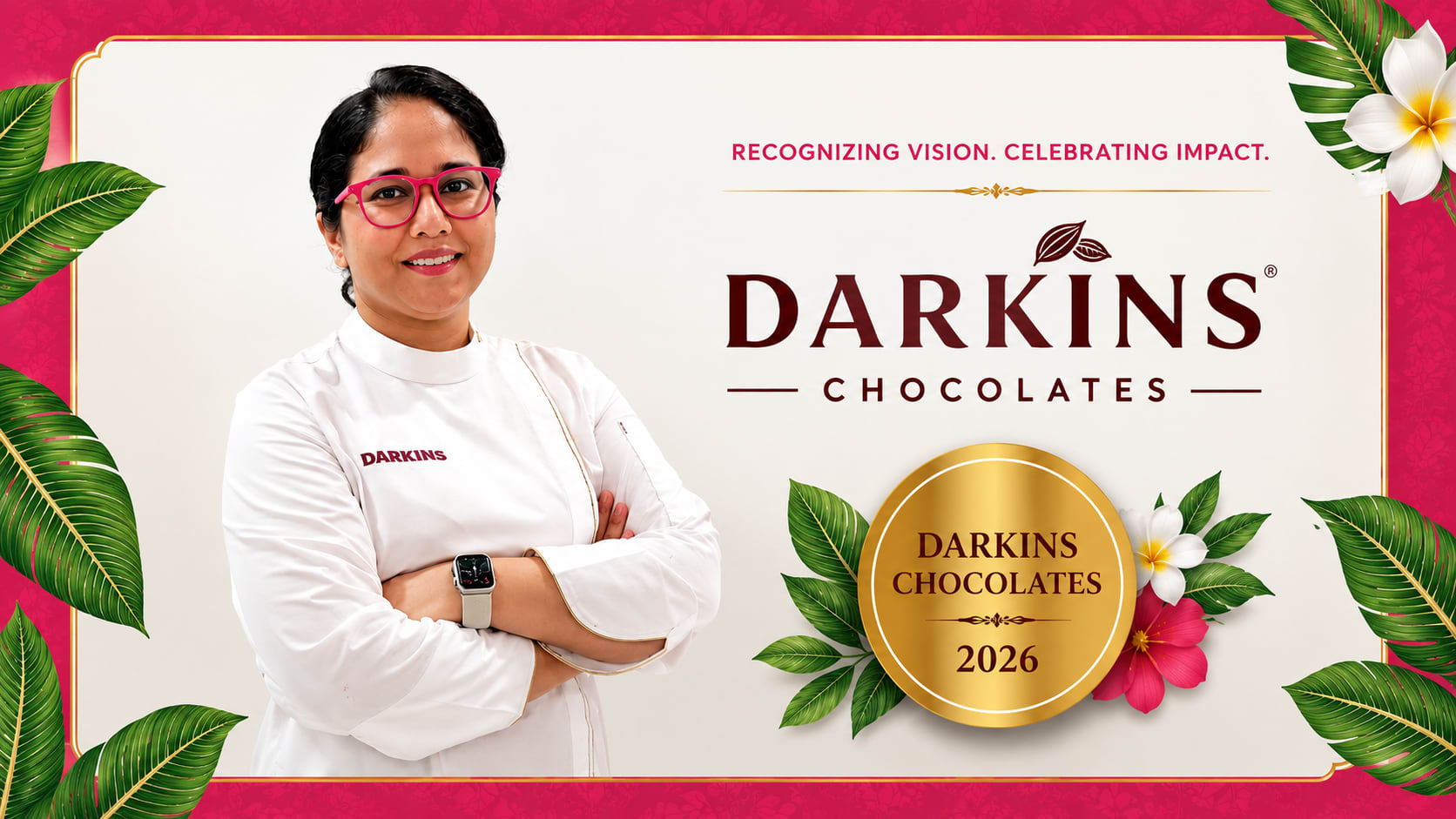
We’ve all salivated over chocolates brought by relatives, especially if it’s someone who has come from abroad. I remember quickly grabbing the box my uncle in the USA would get on every visit to India, searching for MARS, Toblerone, and the variety of delectable treats within them.
Indians naturally have a sweet tooth, yet any topic of Indian chocolates only reminds me of the melody tag line ‘Melody itni chocolaty kyun hai? or the Rs 10 dairy milks we used as birthday presents. India may not be synonymous with rich, delectable gourmet chocolate, but Darkins is aiming to change that.
The Inception of an Indian Gourmet Chocolate Brand:
Prajnay Garg and Richa Choudhary started Darkins around 6 years back with the idea of starting a gourmet chocolate brand in India. He noticed how people who travelled across the globe would bring chocolates all the time, and people were ardent admirers of chocolate from Europe and America, but Indian chocolates weren’t celebrated with the same gusto. It sparked an idea – Why not celebrate high-quality chocolates made in India and put Indian Cacao on the global map? This culminated in the inception of Darkins chocolate.
Prajnay comes with a background in finance. Interestingly, everyone in his family does business, also sowing the seeds of inspiration with Prajnay to start his venture. He credits his co-founder, Richa, for his burgeoning love for chocolates.
The co-founder, Richa Choudhary, was a pharmaceutical student who completed her MBA and went on to work with the Taj Hotel. Earlier, Richa had her own food business sprouting from a passion for cakes and sweets but transitioned full-time to chocolates with Darkins.
What Separates Darkins from the Others
When asked about the uniqueness of his brand compared to others in the market, Prajnay categorically stated two points. Their chocolates don’t use palm oil, indicating that ingredients such as palm oil and other fats that aren't great for the body are eliminated, sticking to high-quality cacao butter instead.
Secondly, there are no synthetics in their chocolates, meaning they don’t alkalise them or add any colour, emulsifiers, preservatives. Prajnay later went on to state another key differentiator, i.e. their unique flavours such as pan chocolate, blueberry, pineapple and paprika.
Listening to them, I was tempted to ask about the response to such flavours, and the answers did not disappoint. Pineapple and Paprika is amongst the best sellers; the pan has a more polarising response with customers either really liking it or not at all. The idea of a core Indian dish wrapped into a Western concept of chocolates, he concedes, piques the interest of audiences.
Prajnay’s favourite amongst the lot is the Cranberry and Chilly chocolate, a sour and tangy experience containing Bhut jolokia, one of the spiciest chillies in the world, cultivated in the northeast. The citrusy taste comes out at the start, with the chocolate slowly taking over, ultimately culminating in a spiciness that lingers on the palate.
Apart from the chocolates, they also give chocolate-making process tours, providing a sneak peek into their process. He excitedly states that talking to people about chocolate gives him a feeling of elation, along with some important lessons. Another motive behind these tours is to reinforce the idea that cacao and great chocolates can be made in India.
But no journey is as smooth as it looks on social media. Prajnay recalls the prices of cacao going through the roof in the last three years. At one point, they had grown by 400% in a matter of six months. These record-breaking jumps were caused by Cacao Swollen Shoot Virus Disease (CSSVD). Spread by mealybugs, it would ultimately cause the roots and pods to shrivel, eventually killing the tree used to harvest the cacao.
The pressure to shut down the business at that point was immense, but they persisted through it. Ability to find skilled people in the food space who can make chocolates, training, alignment and the other nitty-gritties is another constant struggle, according to him.
Talking about advice, he suggested building a community. Focusing on the customer’s pain points are more important than the founder’s interests. Try building a product around that, and once you have ambassadors who believe in your vision, the business will grow by itself.
In his parting words, Prajnay highlighted that India needs more entrepreneurs who are solving bigger problems. That’s the best path forward to upskilling, job creation and progress for the nation. Ultimately, more people taking risks and doing hard work is the need of the hour, and the more the merrier indeed.