FINTECH
ED searches CoinDCX and Delta Exchange India over alleged foreign forex breaches
Search operations in Bengaluru target alleged unauthorised cross-border crypto derivative trades and tokenised foreign stock transactions running into thousands of crores of rupees.
What happened in Bengaluru
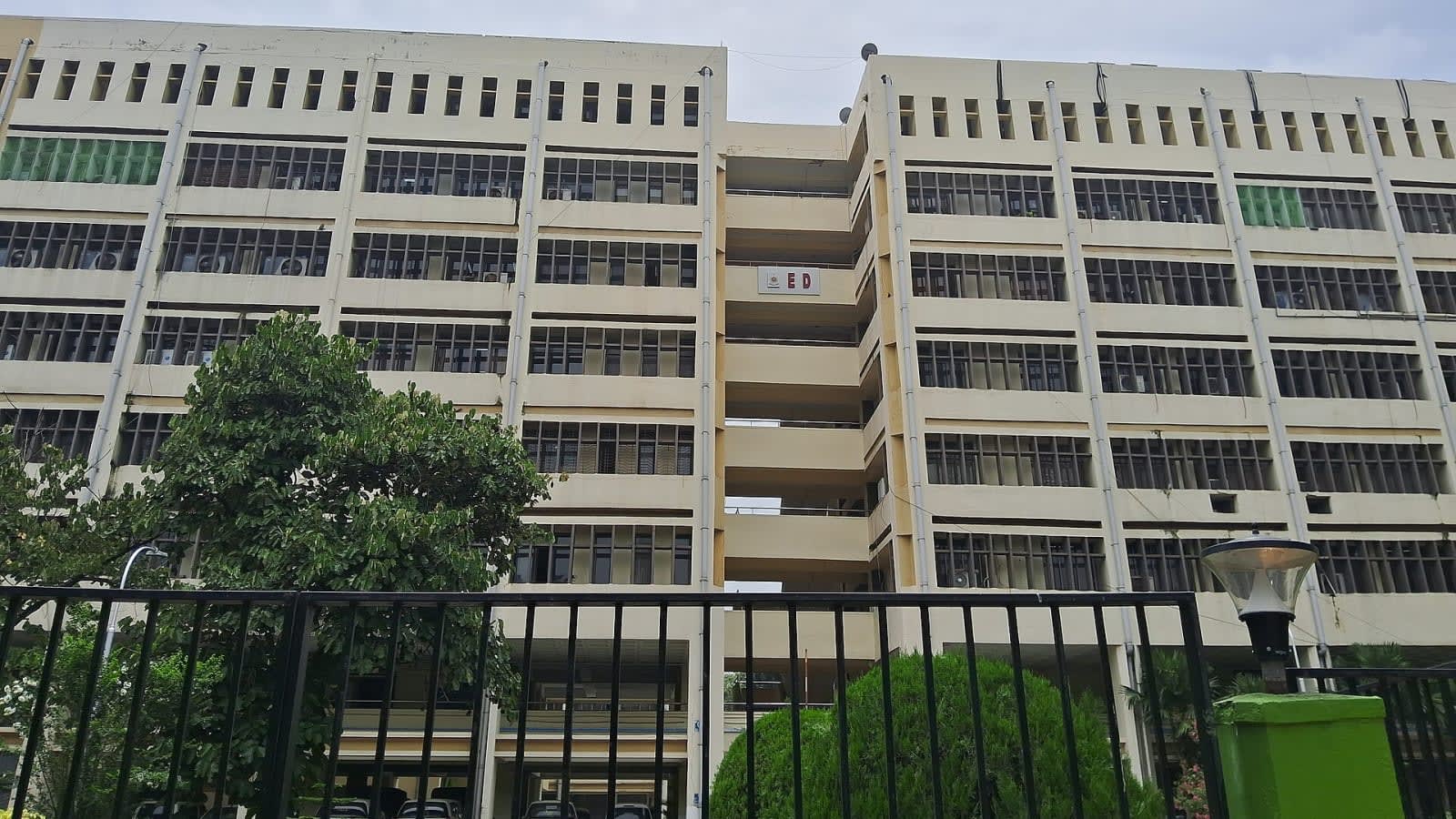
The Enforcement Directorate has searched three premises in Bengaluru linked to crypto trading platforms CoinDCX and Delta Exchange India over alleged unauthorised cross-border transactions involving crypto derivatives and tokenised foreign shares.
The search operations took place on 4 and 5 November 2026 under the Foreign Exchange Management Act, 1999, the agency said in an official statement. The searches targeted Neblio Technologies Pvt. Ltd., which operates CoinDCX, and Excelium Technologies Pvt. Ltd., the company operating Delta Exchange India.
According to the Enforcement Directorate, the crypto trading transactions under investigation run into thousands of crores of rupees. The agency alleged that both platforms facilitated spot trading, futures and options (F&O) trading, and trading in tokenised shares of foreign companies using cryptocurrencies despite lacking authorisation to offer these financial products. The agency further claimed that CoinDCX advertised these products to users without obtaining the requisite regulatory permissions.
How CoinDCX allegedly routed funds abroad
The Enforcement Directorate detailed an alleged operational structure through which domestic rupee deposits were converted and transferred to overseas crypto trading venues. User funds deposited in Indian Rupees were allegedly converted into stablecoins, primarily USDT, before being sent to foreign crypto platforms including Binance, KuCoin, Gate.io, and Bybit.
To execute spot trades on foreign platforms, the agency alleged that CoinDCX used a corporate account registered in the name of a Costa Rica-based entity to transfer USDT overseas. The Enforcement Directorate described the Costa Rican entity as a paper entity, alleging that the transactions were actually executed directly through CoinDCX application programming interfaces (APIs).
A similar setup was allegedly deployed for CoinDCX's derivatives offerings. The agency claimed that CoinDCX opened matching positions on foreign platforms via APIs after domestic users placed F&O orders on its platform, with trade settlements occurring overseas when positions were closed.
For tokenised foreign stock trading, the agency alleged that user orders were routed through Hyperliquid, an overseas decentralised crypto trading platform. User funds were converted into USDT to establish positions, with final settlements completed directly on the foreign decentralised platform.
The agency also alleged that CoinDCX paid hundreds of crores of rupees in transaction fees to foreign platforms using stablecoins, an arrangement it stated contravened Indian foreign exchange regulations.
Allegations facing Delta Exchange India and corporate response
The Enforcement Directorate alleged that Delta Exchange India offered spot trading, crypto derivatives, and tokenised foreign stocks via cryptocurrencies under a framework similar to CoinDCX.
A large volume of Delta Exchange India's derivatives and tokenised stock transactions was routed through CoinDCX, which then executed the trades on foreign platforms, the agency alleged. The Enforcement Directorate added that Delta Exchange India also transferred hundreds of crores of rupees to overseas associate entities, transactions that remain under active investigation.
In a statement published on X, Delta Exchange India confirmed the regulatory visit and stated that it cooperated fully with officials during the search operations on 4 and 5 November, providing all requested information. The exchange asserted that it is not involved in "any cross-border transfer of VDAs in any form or manner".
CoinDCX has not issued a statement regarding the searches or the allegations made by the agency.
Regulatory provisions and enforcement context
The Enforcement Directorate stated that the fintech products offered by both platforms prima facie contravened statutory provisions under the Securities Contracts (Regulation) Act, 1956, the Securities and Exchange Board of India Act, 1992, and the Reserve Bank of India Act, 1934.
The enforcement action against CoinDCX and Delta Exchange India is part of a broader crackdown by the agency on foreign exchange violations involving crypto entities operating in India.
| Entity / Platform | Action Date | Alleged Violation / Transaction Volume |
|---|---|---|
| CoinDCX & Delta Exchange India | 4–5 November 2026 | Unauthorised cross-border crypto derivatives & tokenised stocks (Thousands of crores) |
| Mudrex, Saber.money, Instadapp & Fluid | November 2026 | Unauthorised cross-border fund transfers (Over Rs 4,940 crore) |
| Transak, Carret, Xpat, Onramp.money & Onmeta | June 2026 | Unauthorised cross-border crypto transfers (Not disclosed) |
Earlier in November 2026, the agency launched a probe into alleged FEMA violations involving crypto platforms Mudrex and Saber.money, alongside decentralised finance protocol Instadapp and its associated platform Fluid, over alleged unauthorised cross-border transfers exceeding Rs 4,940 crore.
In June 2026, the Enforcement Directorate searched six premises connected to five entities—Transak, Carret, Xpat, Onramp.money, and Onmeta—over similar allegations of unauthorised cross-border crypto transfers.
Why it matters for operators and investors
The Enforcement Directorate's action highlights heightened scrutiny on Indian crypto exchanges that interface with offshore liquidity providers, foreign exchanges, or decentralised protocols to settle domestic trades.
For startup founders and exchange operators, the investigation underscores legal risks under FEMA regarding the conversion of rupee deposits into stablecoins to fund overseas trading positions or pay foreign transaction fees. The citation of the RBI Act, SEBI Act, and Securities Contracts (Regulation) Act indicates that regulatory authorities are assessing crypto derivative instruments and tokenised foreign equities through existing securities and banking legal frameworks.