AI
Elon Musk says Grok Bot serving costs are unsustainably high relative to revenue
Paying subscribers hit weekly caps early as high compute demands for multi-step AI tasks outpace subscription income.
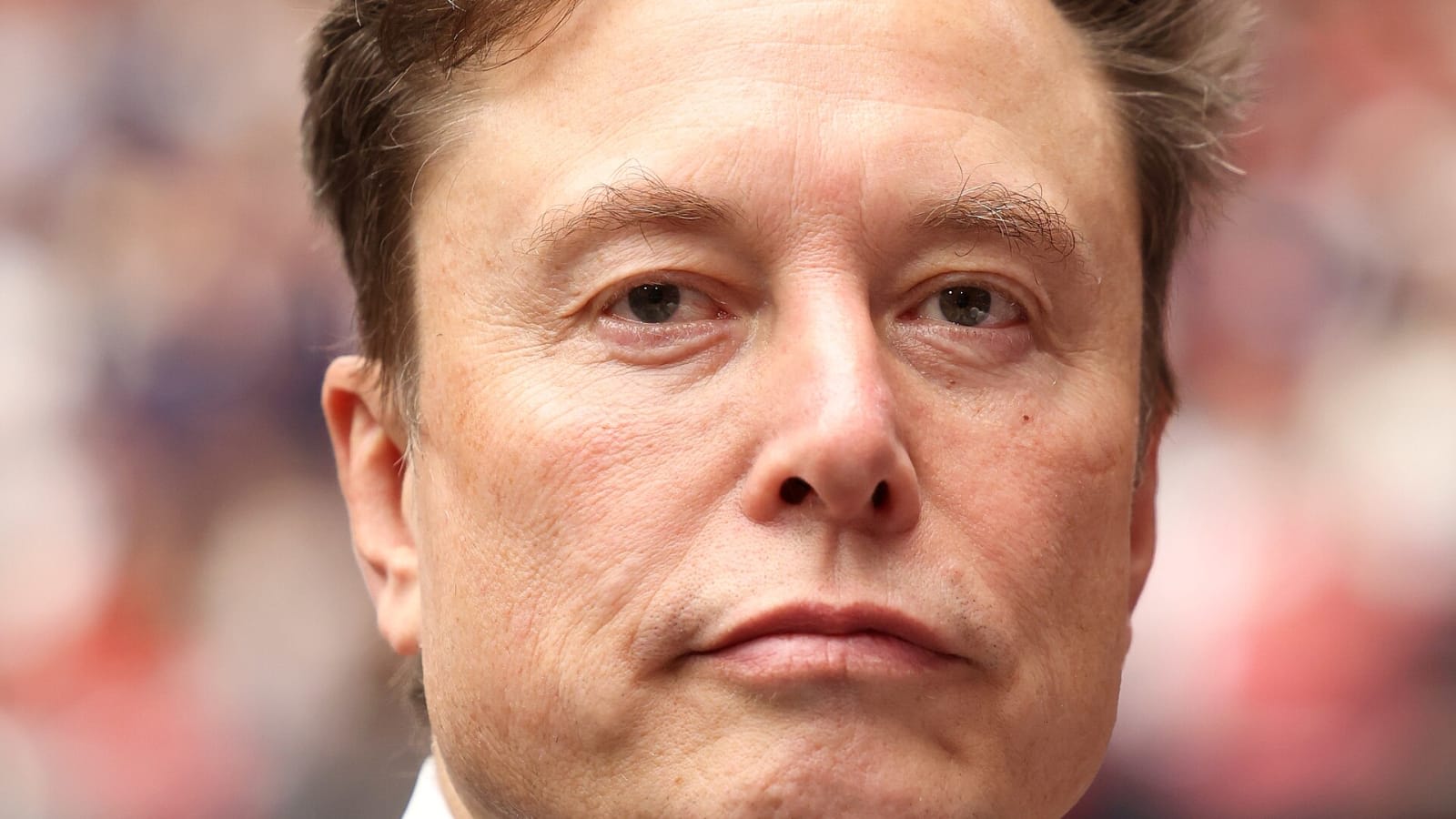
Elon Musk has confirmed that running Grok Bot, the personal AI assistant launched in August 2026 by SpaceX, costs far more than the revenue it brings in, following widespread user complaints over suddenly tightened usage limits.
Replying to a user on X who asked if weekly allowances could be reset, Musk stated that the cost of serving Grok Bot was "unsustainably high relative to revenue." The change was deliberate rather than a technical glitch, Musk confirmed, after subscribers reported their weekly usage meters jumping from 50 per cent to 100 per cent over the Halloween weekend without any increase in their activity.
Grok Bot numbers and revenue performance
SpaceX management reported on its third-quarter earnings call that Grok Bot reached 800,000 paid weekly users earlier in October 2026, more than doubling its subscriber base over the preceding month. Musk previously described Grok Bot as the fastest-growing product he has ever seen.
In its financial disclosure last month, SpaceX reported that AI accounts for 52 per cent of total company income. Its renamed Super Intelligence division posted a $431 million profit, despite incurring $1.2 billion in one-time costs tied to its acquisition of Cursor.
| Product / Agent | Parent Organization | Pricing Structure | Key Metrics | Operational Status |
|---|---|---|---|---|
| Grok Bot | SpaceX | Undisclosed subscription | 800,000 paid weekly users | Throttling compute due to unsustainable costs |
| Dots | OpenAI | $100 per month (Pro) | ChatGPT Voice: 250M weekly active users | Routing tasks to smaller models to save compute |
| Hark | Figure AI | Free; $20/mo (Pro²); $100/mo (Pro³) | Not disclosed | Pitching higher caps to displaced Grok users |
| Muse | Meta | Free across Meta apps | 10M US downloads in 40 days | Active users down >60%; blocked by major sites |
Why agent compute breaks traditional unit economics
Unlike traditional chatbots that answer single queries, Grok Bot operates through its own virtual computer to carry out multi-step tasks across sales, marketing, IT, and engineering. Executing an agentic workflow requires repeated model calls, web browsing, and automated system actions. This multi-step process consumes vastly more computing resources than standard text exchanges, driving infrastructure costs up linearly with user engagement.
For founders, operators, and investors, Grok Bot's financial bottleneck demonstrates that rapid subscriber growth in agentic AI does not guarantee healthy gross margins. When users actively delegate complex workflows, fixed-fee subscriptions can quickly turn cash-negative unless compute consumption is capped or priced dynamically.
Compute pressures across the AI industry
The compute bottleneck is affecting competing AI developers as well. At a media dinner in New York, OpenAI consumer business head Adam Fry acknowledged that OpenAI's Dots assistants are "on the compute heavy side." Each Dot runs on its own cloud computer to manage email, book tickets, and run background tasks. Dots are currently restricted to OpenAI's Pro subscription tier, which costs $100 per month.
To manage server demand, OpenAI announced a system to automatically route lighter tasks away from its primary GPT-6 Astra model to GPT-6.1 Terra, a smaller model that uses significantly less computing power.
Meanwhile, rival agent providers are attempting to capitalize on Grok Bot's limits. Brett Adcock, chief executive of Figure AI and founder of Hark, urged Grok Bot users to switch to Hark, highlighting its free tier alongside paid tiers at $20 a month for double usage and $100 a month for ten times usage.
At the same time, consumer agents face external friction from major commercial websites. Meta's agent Muse recorded 10 million US downloads within 40 days of launch, but net new daily active users subsequently fell by more than 60 per cent from their mid-September peak. Platforms including Amazon, JPMorgan Chase, Charles Schwab, Delta, Cars.com, Amtrak, Adidas, and Pizza Hut have blocked outside AI agents from accessing their platforms, citing unauthorized automated access and transaction security risks.
What happens next
Musk has not disclosed Grok Bot's exact costs, total revenue, or updated usage allowances, nor has he clarified whether throttled subscriber accounts will receive a limit reset. To offset GPU costs, Musk previously suggested inserting sponsored links and advertisements into Grok's outputs, a monetization strategy that becomes increasingly urgent as agentic usage scales.