STARTUPS
EV91 Journey: How One Startup is Transforming India’s Last-Mile Delivery with Electric Vehicles
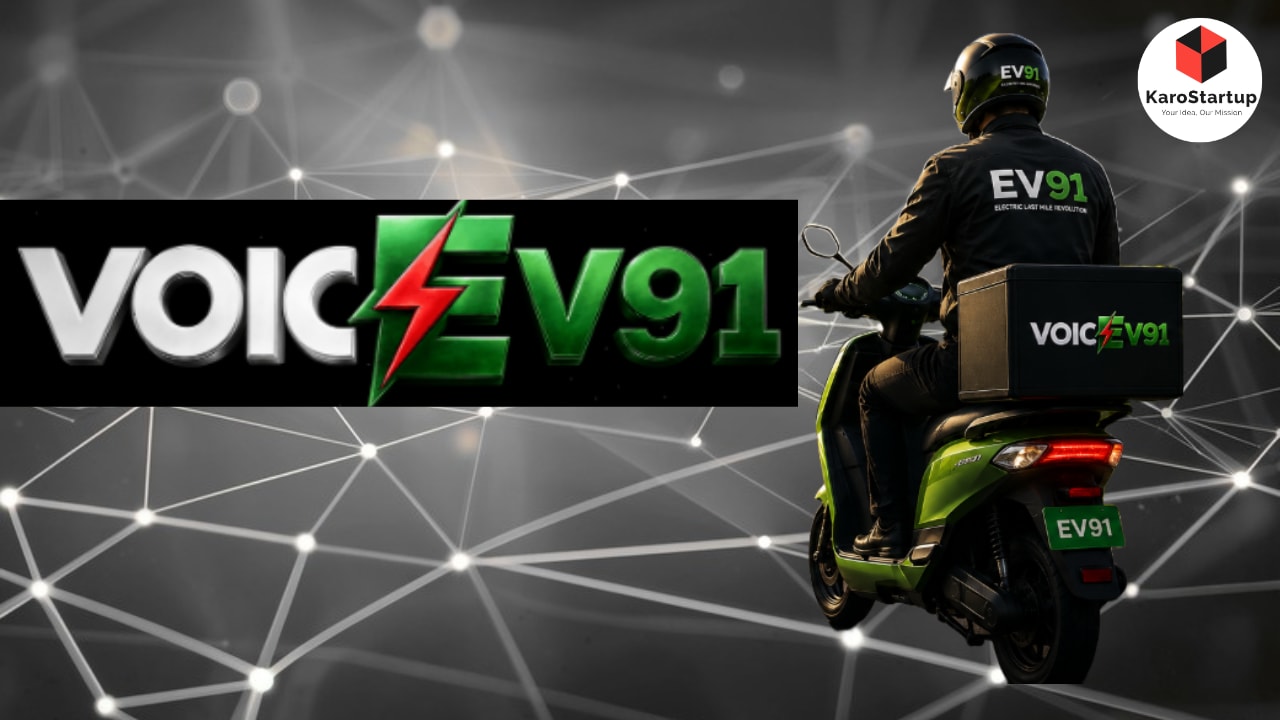
EV91 Technologies is changing how goods move in Indian cities. This Bangalore-based startup helps gig riders and logistics partners switch from petrol bikes to electric two-wheelers.
Founded in 2023, it has grown fast by solving real problems in last-mile delivery. Its story covers early struggles, smart partnerships, and a clear push for cleaner, fairer transport.
What is EV91?
EV91 supplies electric two-wheelers through rentals, leases, subscriptions, and fleet sales. It also handles battery support, servicing, roadside help, and rider onboarding. Quick-commerce and delivery platforms like Zepto, BigBasket, Flipkart Minutes, Swiggy, and Rapido are among the partners.
The company focuses on last-mile logistics. In India’s crowded cities, this segment creates heavy traffic and pollution. Electric fleets cut emissions and running costs while creating steady work for riders.
EV91 also prioritizes women riders through partnerships like Rapido Pink, aiming to put more women on electric bikes and open up better earning opportunities.
The Beginning: From Two Laptops to a Growing Team
EV91 started in August 2023 in Bengaluru with a simple idea and limited resources. Founders Arun Kumar, Manoj Kumar, and Lalith Kumar brought years of experience in two-wheeler EVs, quick commerce, e-commerce and finance. They saw that many delivery partners could not afford electric bikes upfront and that charging or maintenance often stopped adoption.
In the 1st year the team grew from a small group working on two laptops to 100+ people. Operations began in Bangalore and quickly reached Chennai, Hyderabad, Mumbai, and Vijayawada.
Early partners included Delhivery, Zepto, Blinkit, BigBasket and others. By the 1-year mark the company had handled hundreds of thousands of orders and delivered well over a million packages while building an electric fleet that cut carbon emissions.
The core model is practical: provide electric two-wheelers on rental or flexible ownership terms, support battery needs, offer maintenance and roadside help, and connect riders with major delivery platforms. This removes the biggest barriers, i.e., high purchase cost and range anxiety for last-mile delivery partners.
Rapid Growth and Major Fleet Milestones
Fleet numbers show the speed of progress. In FY 2023-24 EV91 started with a modest fleet of around 107 vehicles in Bangalore and Chennai. By FY 2024-25 the number rose past 800. The company then set a clear target of 10,000+ electric vehicles by FY 2025-26.
A landmark step came in April 2025. EV91 joined BattRE Electric Mobility (the vehicle supplier) and evpe (the financing partner) in a ₹100 crore deal. BattRE supplies the electric two-wheelers, evpe handles financing, and EV91 puts the vehicles into its logistics fleet for last-mile partners, corporate clients and B2B operations.
By mid-2025 the company expanded into Delhi-NCR with a dedicated operations hub and service centre. The facility handles diagnostics, battery checks, servicing and spare parts. At the same time EV91 announced plans to scale to over 5000 vehicles, with 1000 reserved for women riders.
Partnerships with Zepto, Big Basket, Flipkart Minutes, Apollo and Rapido Pink support rental models for riders who cannot buy vehicles outright and create more opportunities for female delivery partners
What EV91 Offers Today
EV91 acts as a full-stack enabler rather than just a vehicle provider. Key services include:
Electric two-wheeler rentals, leasing and long-term subscriptions
Fleet sales and management for logistics companies
EV loans and financing support (fleet, corporate and individual)
Battery-related solutions and access support
Service, maintenance, roadside assistance and customer support
ICE-to-EV swap options for existing riders
3PL (third-party logistics) operations for e-commerce and quick commerce clients
Riders benefit from lower running costs compared with petrol bikes. Businesses gain reliable green fleets that help meet sustainability goals. The company also focuses on uptime through real-time tracking and local service centres.
Women Empowerment and Social Impact
A standout part of the EV91 story is the focus on women riders. By partnering with Rapido Pink and allocating dedicated fleet slots, they aim to create dignified, eco-friendly jobs for underserved women in urban India. The company has also aimed for 1,000 female riders as part of a broader 5,000-vehicle strategy.
This approach helps more people earn independently while accelerating the shift to electric last-mile delivery. It also supports India’s broader goals of cleaner air and lower carbon emissions from urban transport.
Beyond the Fleet: The Bigger Picture
EV91’s journey reflects larger trends in India. Electric 2-wheelers are becoming the preferred choice for last-mile delivery because of lower operating costs, government support for EVs, and rising demand from quick commerce.
Improved service networks and battery swapping are steadily easing range anxiety. Companies like EV91 that integrate vehicles, finance, maintenance, and rider support are well positioned for growth.
Looking ahead, EV91 plans further expansion into more cities, including Maharashtra and Delhi. The long-term vision goes beyond vehicles: building a platform that supports riders with everyday needs and helps decarbonise delivery across India.
Why EV91’s Story Matters for India’s EV Future
India’s last-mile delivery sector is electrifying faster than many other transport segments. Startups that combine vehicles, finance, operations, and rider support can remove the biggest barriers such as cost, reliability and infrastructure.
EV91 shows one practical path: start small, solve daily pain points for riders and platforms, form strong partnerships, and keep social inclusion in the plan.
The journey from a 2-person idea in Bangalore to multi-city fleets and a major deployment deal proves that focused execution works. Industry-wide challenges persist in capital, infrastructure, and trust, but companies that view riders as partners and develop comprehensive ecosystems are making progress.
For anyone watching electric mobility in India, EV91 offers a clear example of how last-mile logistics can become cleaner, more affordable and more inclusive at the same time. The road ahead still has work left, but the direction is set.