BREAKING
Force Motors commits Rs 3,000 crore to scale van capacity and launch EVs
The debt-free automaker will fund its 80,000-unit annual capacity target through internal accruals as domestic registrations rise 48.9 per cent.
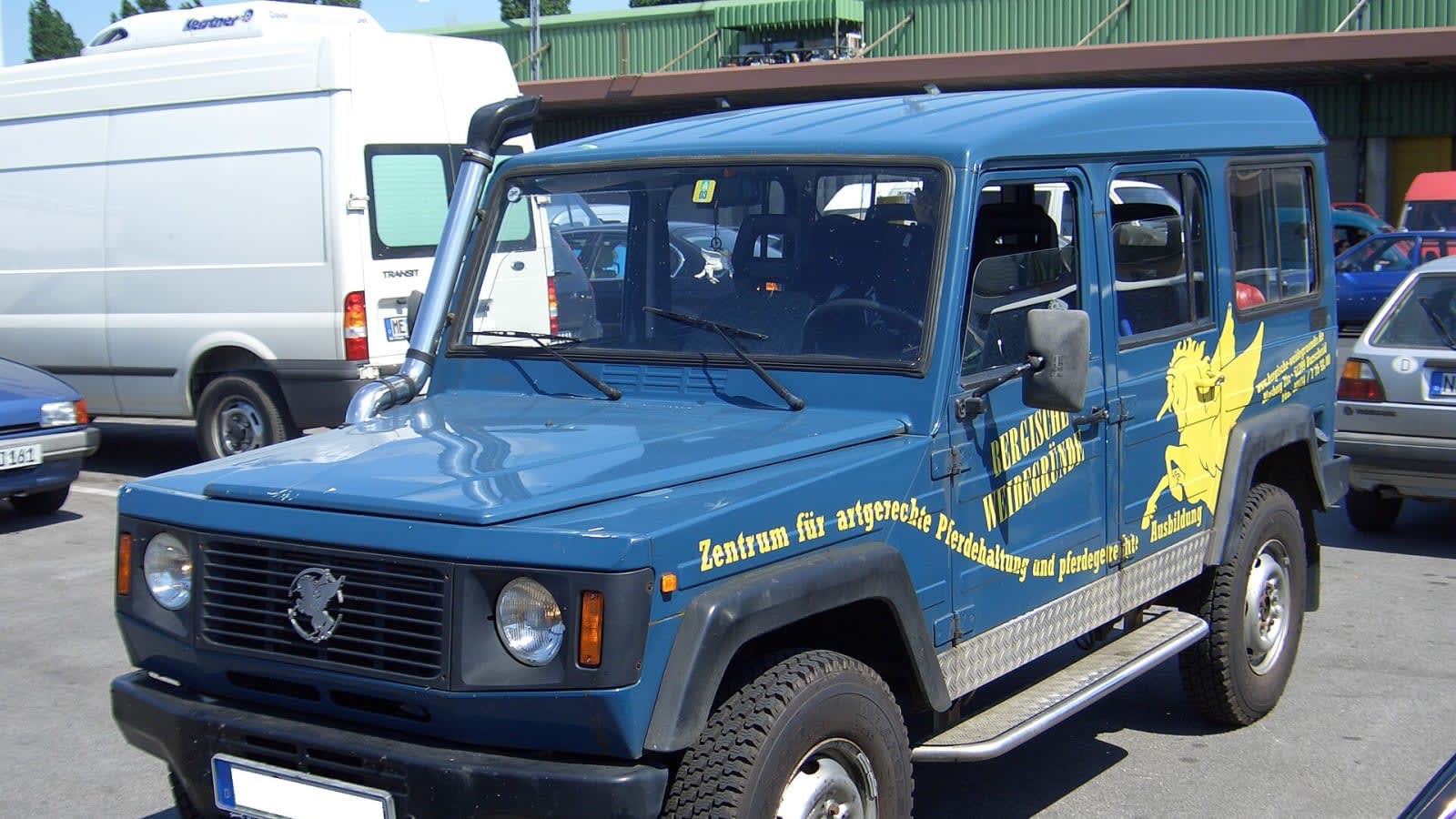
Pune-based automaker Force Motors has committed Rs 3,000 crore in capital expenditure over the next two-and-a-half to three years to scale up vehicle production, roll out electric and hybrid platforms, and upgrade its technical infrastructure. Managing Director Prasan Firodia confirmed that the self-funded investment will boost the company's annual production capacity from current levels to 80,000 vehicles.
The debt-free manufacturer plans to finance the capex program completely through internal accruals. The outlay will target expansion of its Traveller and Urbania van lines, new hybrid powertrains for 10-to-25 seater commercial vehicles, electric ambulances, and digitisation initiatives under its Project DigiForce program.
Why it matters
For fleet operators and commercial transport buyers in India, the investment marks a significant commercial push toward electric mobility in public transit, corporate transport, and emergency services. While electric adoption in personal passenger vehicles has moved faster, commercial fleets have been slower to transition due to range requirements and total cost considerations.
For investors, Force Motors is choosing to fund a major capex cycle without leveraging its balance sheet, relying on operating cash flows generated by a sharp recovery in domestic demand.
Capacity targets and financial performance
Force Motors expects installed production capacity to reach approximately 65,000 vehicles next year before hitting its long-term target of 80,000 units annually over the three-year expansion window. The capex also covers paint-shop modernisation and engineering infrastructure upgrades alongside physical capacity building.
The investment push follows strong revenue growth in the September quarter, backed by domestic demand for the Traveller N and Urbania models.
| Metric | Figure | Period / Notes |
|---|---|---|
| Total Capex Commitment | Rs 3,000 crore | Next 2.5 to 3 years |
| Target Annual Capacity | 80,000 units | Long-term target (65,000 next year) |
| Consolidated Q2 Revenue | Rs 2,924.7 crore | Up 40.5% y-o-y |
| Consolidated Q2 Net Profit | Rs 293.9 crore | Down 16.2% y-o-y (high base last year) |
| Domestic Retail Registrations | 11,214 units | Up 48.9% y-o-y (September quarter) |
| Urbania Monthly Sales | ~1,000 units | Corporate and tourism demand |
| Overseas Shipments | Down 34.8% y-o-y | Q2 decline due to West Asia disruptions |
The company's consolidated revenue jumped 40.5 per cent year-on-year to Rs 2,924.7 crore in the September quarter. Consolidated net profit dropped 16.2 per cent to Rs 293.9 crore over the same period, though Force Motors attributed this decline to a high base in the previous year that included a one-time tax benefit.
Electric vehicle roadmap and product specs
Force Motors plans to launch its first commercial Traveller EV in the first quarter of 2027, between January and March 2027. The company first showcased its monocoque T1N electric platform in 2020 and has completed core development for the electric Traveller series.
The vehicles are currently undergoing final testing and ARAI homologation. The electric platform will yield multiple van variants, including intracity electric ambulances. An electric variant of the premium Urbania van is also under development and is planned for launch a few months after the Traveller EV hits the market.
The automaker has already revealed specifications for its e-Traveller Smart Citibus EV variant:
- Battery & Powertrain: 70 kWh battery pack with 18 per cent gradability.
- Dimensions & Capacity: 5,415 mm overall length, 3,350 mm wheelbase, and 1.8-metre standing interior height.
- Seating Configuration: 14 passengers plus driver (14+D).
- Features: Electrically operated jack-knife door, air conditioning, internal and external cameras, and GPS tracking.
"Adaption of electric mobility in larger commercial vehicles over diesel fuel will be gradual over the years, when compared to smaller cars and SUVs," Firodia said, pointing to school buses, corporate employee transportation, intracity ambulances, and short-haul tourism as immediate viable applications.
Domestic recovery vs export disruptions
The investment push comes as domestic retail sales recover from a temporary slowdown caused by production adjustments during the rollout of the upgraded Traveller N. According to Vahan registration data, retail registrations surged 48.9 per cent year-on-year to 11,214 units during the September quarter.
"We knew it would be a painful transition," Firodia said regarding the manufacturing adjustments and supplier realignments required for the Traveller N line.
Meanwhile, the premium Urbania van range has seen steady traction, with sales approaching 1,000 units per month. Demand has been driven primarily by hospitality, tourism, and corporate employee transportation fleets.
In contrast to domestic strength, international sales faced sharp headwinds. Overseas shipments fell 34.8 per cent in the September quarter, hit by geopolitical and economic disruptions in West Asia, one of the automaker's primary export markets.
To offset Middle Eastern shortfalls, Force Motors is expanding its presence across other international markets. The company is establishing vehicle assembly operations in Kenya, forming distribution partnerships across Africa, and opening export channels into Latin America.
What happens next
Force Motors will continue ARAI homologation and testing for the Traveller EV ahead of its scheduled commercial debut in early 2027. In the near term, the company will focus on ramping up plant capacity toward 65,000 units next year while rolling out digital transformation upgrades across its operations under Project DigiForce.
"We still believe we have a lot of potential to grow what we have," Firodia said. "First, let's leverage that in terms of domestic markets, international markets. Let us create new variants to create new segments. That's our focus."