From Family Silence to a Craft Beer Revolution: How Ankur Jain Built Bira 91
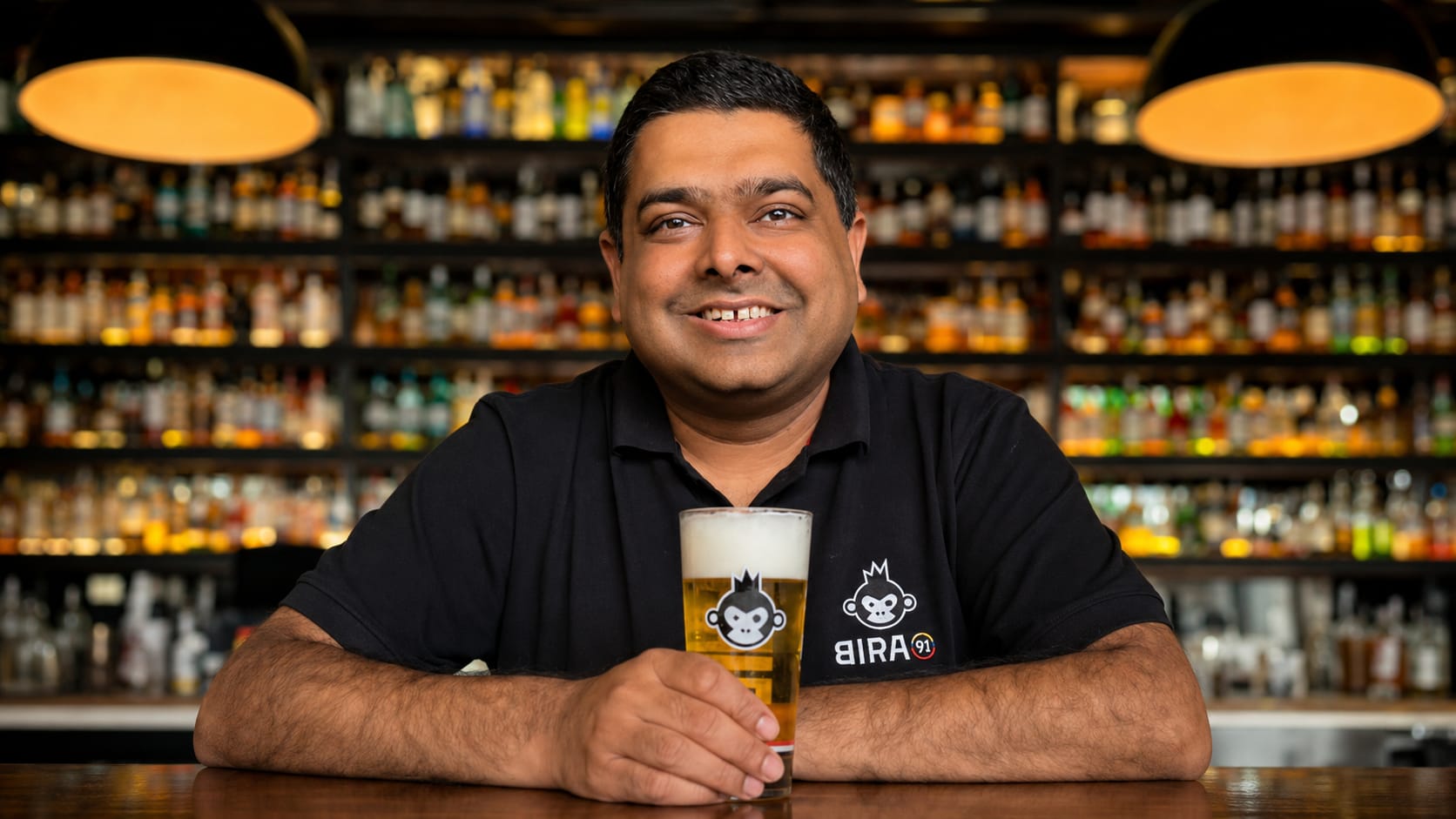
My father did not speak to me properly for almost five years.
That’s Ankur Jain, describing what happened when he told his father he was quitting a stable path to start his own beer company.
His father was a government architect who spent 35 years with the Central Public Works Department, part of the team behind the Delhi Master Plan. A beer shop wasn’t the future he had imagined for his son.
Jain didn’t come from a business family. He was a computer science graduate who had sold a healthcare startup in the US in 2007, moved back to India, and couldn’t find a beer he actually wanted to drink.
So he decided to do something about it.
What started as importing craft beers eventually became Bira 91 — launched in February 2015, first brewed in Belgium, and later proudly manufactured in India under the #MakeInIndia initiative with breweries in Madhya Pradesh and Nagpur.
The Early Struggle and Family Tension
Ankur Jain’s decision to enter the beer business was met with silence from his father. For nearly five years, their relationship was strained. The elder Jain had built his career in public service and expected his son to follow a similarly stable path.
But Jain saw a massive gap in the Indian market. Most available beers were mass-produced lagers with limited flavour profiles. Craft beer was almost non-existent. He believed Indian consumers were ready for better options — beers that were flavourful, well-designed, and proudly Indian.
His persistence eventually paid off. The Indore brewery alone employed 250 people per shift — close to 750 households when counting all three shifts. Jain went further by sourcing barley directly from Indian farmers, strengthening the local supply chain and supporting rural livelihoods.
Building a Craft Beer Brand in India
Bira 91 quickly became one of the most recognisable craft beer brands in India. The bright, contemporary packaging and wide range of flavours helped it stand out on shelves and in bars. The company successfully positioned itself as a premium yet accessible brand that appealed to younger, urban consumers looking for quality and variety.
At its peak in fiscal year 2023, Bira 91 reached a record top-line revenue of ₹824 crore (approximately $100 million). The brand had grown from a side hustle importing beers to a significant player in India’s alcoholic beverage industry with a strong manufacturing footprint in the country.
Jain often reflected on his father’s initial disapproval. In hindsight, he said he was glad for the silence. “Else I would still be a techie and not a disruptor.”
The Challenges of Scaling a Beer Business
Building Bira 91 was never easy. The Indian alcohol industry is heavily regulated, with complex state-wise rules, high taxes, and distribution challenges. Despite these hurdles, Jain and his team built a strong brand and operational backbone.
The company’s decision to manufacture locally under the #MakeInIndia banner was both a business strategy and a point of pride. It created hundreds of direct and indirect jobs and helped reduce dependence on imports.
However, scaling a capital-intensive business like beer manufacturing requires continuous investment. Market competition intensified, and maintaining growth while managing costs became increasingly challenging.
The Exit: A New Chapter
This month, Ankur Jain exited Bira 91 after a settlement with the company’s lenders. In his own words, the company now needs fresh capital and new leadership to move forward.
His departure marks the end of his chapter as founder, but not the end of Bira 91’s story. The brand he built from scratch remains one of India’s most recognised craft beer names and has played a significant role in popularising craft beer culture in the country.
Jain’s journey from a tech entrepreneur to a beer disruptor and eventually an exit demonstrates the unpredictable nature of building businesses in regulated industries. It also highlights the personal sacrifices often hidden behind entrepreneurial success stories.
Lessons from Ankur Jain’s Journey
Ankur Jain’s story offers several powerful lessons:
- Follow your conviction: Even when family and society disapprove, believing in your vision can lead to remarkable outcomes.
- Identify genuine market gaps: Jain succeeded because he addressed a real consumer need for better beer options in India.
- Think long-term: Building manufacturing capabilities and local supply chains takes time but creates sustainable competitive advantage.
- Know when to step back: Recognising when a business needs fresh capital and leadership is as important as starting it.
His father’s eventual acceptance (though not detailed publicly) probably came with pride as Bira 91 grew into a well-known brand. Many parents who initially oppose unconventional career choices later become their children’s biggest supporters once success is visible.
The Bigger Picture for Indian Entrepreneurship
Stories like Ankur Jain’s are important because they show the reality of building businesses in India. Not every successful company follows the typical Silicon Valley playbook. Some are built in traditional industries like beverages, with real factories, supply chains, and regulatory complexities.
Bira 91 helped change perceptions about Indian craft beer and inspired many other entrepreneurs to enter the space. Even as Jain steps away, the brand and the ecosystem he helped build will continue influencing the industry.
From family silence to creating a brand loved by millions, Ankur Jain’s entrepreneurial journey reminds us that the best businesses often come from personal passion and the courage to challenge the status quo.
Sometimes, the greatest gifts parents give their children aren’t approval in the beginning — but the freedom to pursue their own path, however unconventional it may seem.