How Karishma Kewalramani Built FAE Beauty to Make Makeup More Affordable
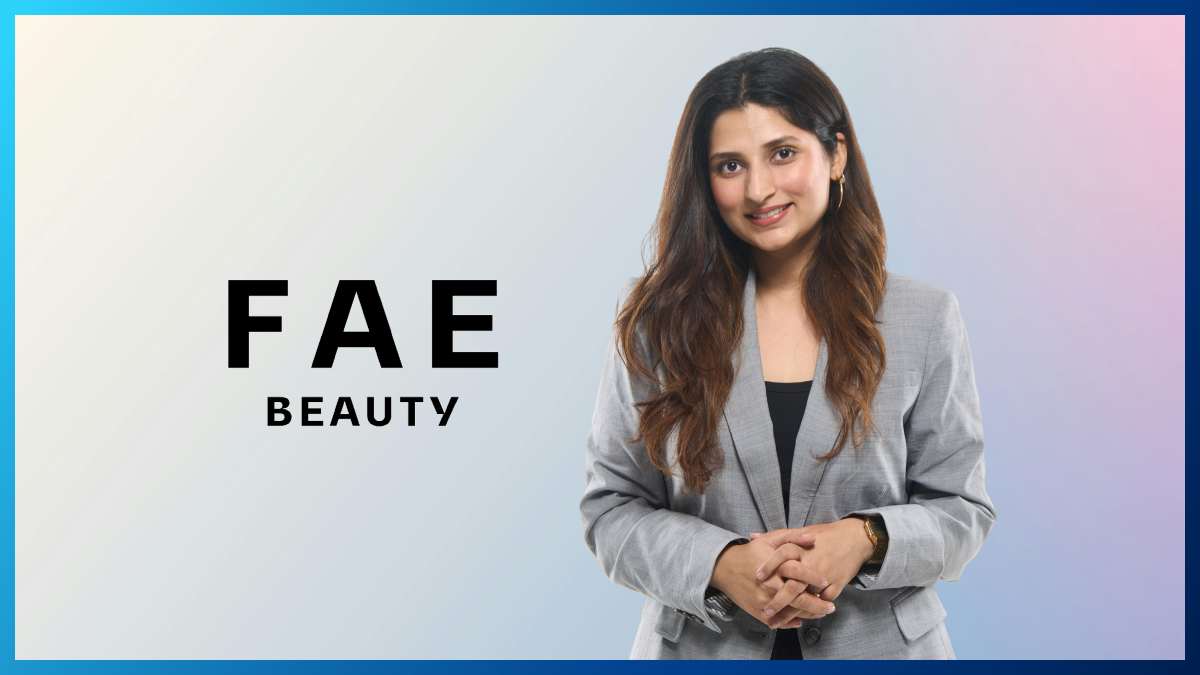
Roughly three in four Indian women have brown to deep brown skin, yet the counters were long stocked for everyone else. Karishma Kewalramani left a consulting career in San Francisco to build the brand that stopped pretending otherwise.
She opens her pitch with a statistic that should have embarrassed the Indian beauty industry years earlier. About 74 percent of Indian women fall into the brown, dark brown, or intense brown skin categories. Walk into almost any cosmetics store, and the foundation shades lean heavily toward fair skin, the minority. This was not a simple oversight. It was the commercial residue of decades of advertising that reinforced a preference for fairness, most visibly through an entire product category built on the promise of lighter skin. The shade racks became physical evidence of a market that had decided which faces it was for.
FAE Beauty, launched by Kewalramani in Mumbai in August 2019, was built as the counter-argument. The name stands for Free And Equal. The brand’s formulations are shaded for Indian skin tones and undertones, and its campaign imagery is not retouched to lighten anyone. It has raised about ₹17 crore and secured a deal on Shark Tank India.
The Consultant Who Was Also a Makeup Artist
Kewalramani arrived at beauty from two directions at once. She is a trained makeup artist, so she understands pigment, texture, and what actually happens when a product meets a face. She also built a management consulting career in San Francisco, reported to have been at A.T. Kearney, where her client work included beauty brands.
That combination is unusual and useful. Plenty of beauty founders have taste without operational rigour; plenty of consultants have spreadsheets without any feel for the product. She had seen the category from inside the boardrooms where large brands decide which shades are worth manufacturing, and she had also stood in front of real faces trying to match a colour the market had never produced.
Underneath the professional history sat something more personal. Kewalramani has spoken about growing up with colourism, the self-doubt it produces, and the absence of representation in the products and advertising around her. In this case, the personal experience and the market gap are the same fact viewed from two distances, which is why the brand’s positioning has held rather than reading as a temporary campaign.
Leaving a Career to Enter a Crowded Category
She began working on FAE in early 2018 and launched in August 2019, funding the start with her own savings alongside support from friends, family and mentors. Leaving a consulting salary in San Francisco to bootstrap a cosmetics brand in India was a substantial bet. By 2019, Indian D2C beauty was already crowded. Nykaa had made the category investable, SUGAR and Mamaearth were scaling quickly, and new brands were launching constantly.
Entering that market with better packaging or a slightly different formula would have been pointless. What she claimed instead was a position nobody had properly occupied: not natural, not clean, not luxury, but inclusive—in a country where inclusivity in beauty was still largely an imported conversation. The gap was large precisely because addressing it meant contradicting the aesthetic the industry had spent decades selling.
The Lip Whip and a Smart Answer to the Shade Problem
FAE’s hero product is the Lip Whip, a buildable matte lipstick that has become the brand’s bestseller and the clearest expression of its thinking. Its defining feature is that it adapts. The colour interacts with the wearer’s own lip and skin tone, so one shade reads differently on different people rather than sitting identically on everyone. It also doubles as a blush and an eyeshadow.
Commercially, this solves a real problem. The honest way to serve a wide range of complexions is an enormous shade range. For a young brand that means punishing inventory economics, dozens of stock-keeping units and slow-moving shades tying up capital. A product that adjusts to the wearer delivers a version of the same inclusivity without the same inventory burden. It is an elegant piece of product strategy—the kind of solution that appears only when someone understands both formulation and unit economics.
Around the hero product, the range has expanded into skincare-infused formulations, with the argument that makeup should look after the skin it sits on through a long, humid Indian day. The brand is also vegan and cruelty-free, placing it alongside the wider clean-beauty shift without making that the headline.
Funding, Shark Tank and Scale
FAE Beauty raised about ₹17 crore (roughly $2 million) in a round led by Spring Marketing Capital. The brand later appeared on season 4 of Shark Tank India, securing a reported ₹1 crore for 1.5 percent equity from Aman Gupta of boAt and Namita Thapar of Emcure.
For a consumer brand at this stage, Shark Tank is worth more than the cheque. The equity given up was small, and the exposure reaches an audience that no reasonable performance-marketing budget could buy. For a brand whose argument is about representation, a national television platform is close to ideal distribution.
Reported revenue for FY25 is around $2.45 million. That is a real business rather than a side project, yet still small relative to the large Indian beauty names. The honest reading is a brand that has proven its proposition and its product, and is now in the harder phase of turning a clear position into broader national distribution against better-funded competitors.
FAQ
Who is Karishma Kewalramani?
Karishma Kewalramani is the founder of FAE Beauty, an inclusive makeup brand based in Mumbai. A trained makeup artist, she built a management consulting career in San Francisco (reported at A.T. Kearney), where her clients included beauty brands. She began working on FAE in early 2018 and launched it in August 2019.
What does FAE Beauty stand for?
FAE stands for Free And Equal. The name reflects the positioning: makeup formulated and shaded for Indian skin tones and undertones, sold with imagery that is not retouched to lighten the models.
What is the Lip Whip?
The Lip Whip is FAE’s hero product and bestseller—a buildable matte lipstick that interacts with the wearer’s own lip and skin tone so a single shade reads differently on different people. It also doubles as a blush and eyeshadow.
How much funding has FAE Beauty raised?
About ₹17 crore (roughly $2 million) in a round led by Spring Marketing Capital. The brand also secured a reported ₹1 crore for 1.5 percent equity on Shark Tank India season 4 from Aman Gupta and Namita Thapar. Reported revenue for FY25 is around $2.45 million.