ITC Enters India’s ₹50,000 Crore Carbonated Soft Drinks Market with Coconut Cola
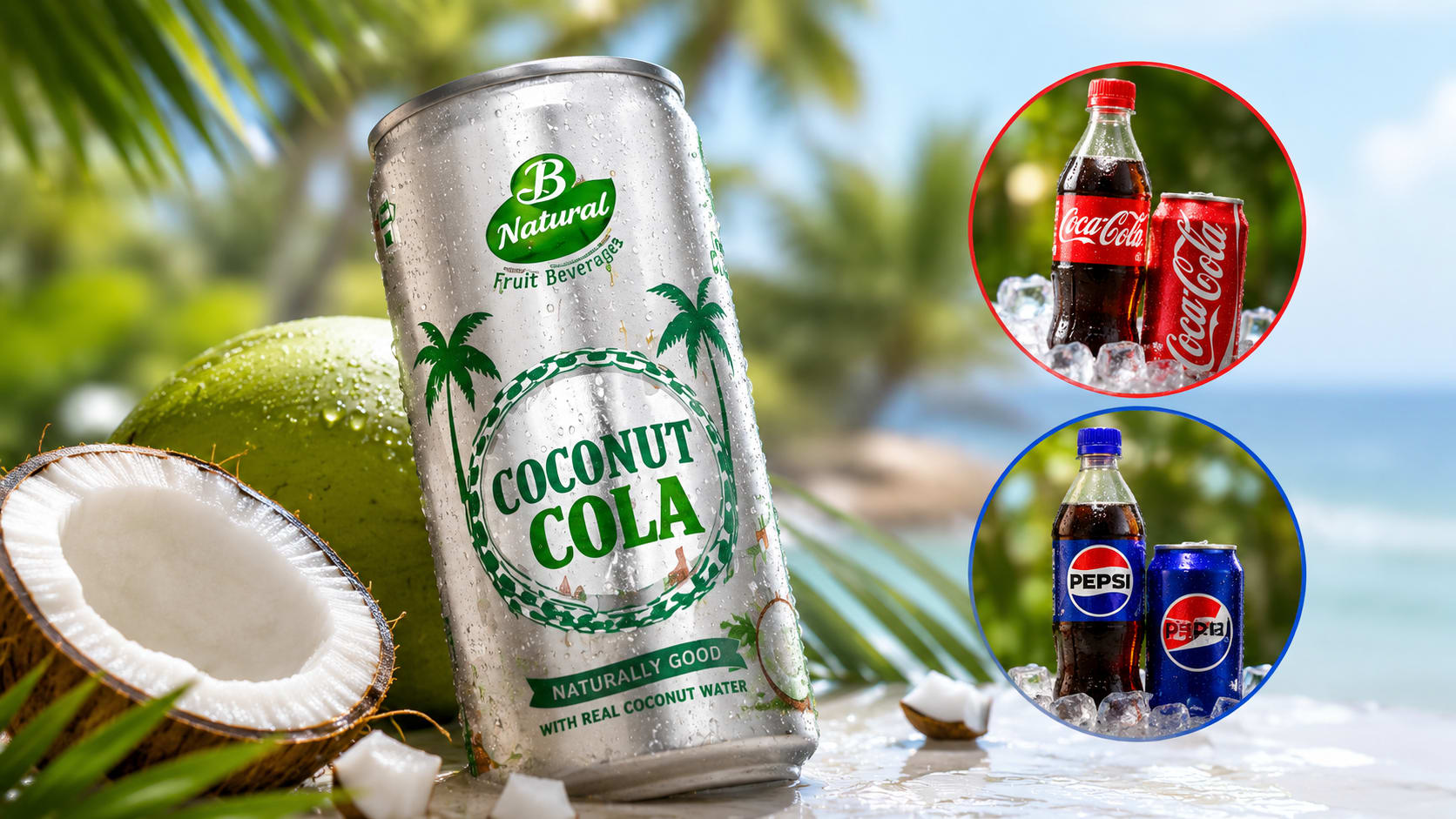
In a competition with cola giants like Coca-Cola and Pepsi, ITC has announced to entres soft drink market with Natural Coconut Cola. With the launch of B Natural Coconut Cola. The premium, sugar-free beverage, made with real tender coconut water, marks ITC’s direct challenge to beverage giants Coca-Cola, PepsiCo, and Reliance’s Campa Cola in a market estimated at ₹50,000 crore.
The launch underscores ITC’s strategy to leverage its strong B Natural franchise already known for fruit juices and nectars into the high-growth CSD segment. With health-conscious consumers increasingly seeking better-for-you options, ITC is betting on a differentiated proposition: a cola that combines the familiar fizz and taste with the natural goodness of coconut water, minus the sugar.
Premium Positioning in a Price-Sensitive Market
In a price-sensitive market like India, where cola giants Coca-Cola and Pepsi sell their products for around ₹40 for a larger 300ml can. A new but gradually rising competitor, Campa Cola, which disrupted the market with ultra-low pricing (₹10 for a 200ml bottle) and triggered a broader price war, ITC is consciously targeting the premium segment. B Natural Coconut Cola is priced at ₹60 for a 250ml can, significantly higher than mass-market offerings.
This premium pricing reflects ITC’s confidence in the product’s unique value proposition. The beverage is positioned as a sophisticated, health-focused alternative for urban, affluent consumers who want indulgence without heavy sugar intake. Real tender coconut water brings natural electrolytes, subtle sweetness, and a refreshing tropical note that differentiates it from traditional colas.
Industry experts see this as a smart move. While the mass segment remains intensely competitive with heavy discounting, the premium and “better-for-you” CSD subcategory is expanding rapidly. Rising health awareness, especially post-pandemic, has boosted demand for zero-sugar, natural-ingredient drinks. ITC’s entry could help grow this high-margin segment rather than just cannibalizing existing volumes.
Quick-Commerce First Strategy
In a notable departure from traditional beverage launches, ITC is initially rolling out B Natural Coconut Cola exclusively through quick-commerce platforms. This allows the company to test consumer response, gather real-time feedback, and optimize supply chains in key metros before a phased wider rollout to general trade, modern retail, and other channels.
The quick-commerce focus aligns with shifting consumption patterns. Younger consumers prefer on-demand delivery for beverages, and platforms like Blinkit, Zepto, and Swiggy Instamart offer speed and targeted reach. It also helps ITC manage initial volumes efficiently while building buzz through digital channels.
ITC’s Beverages Ambition
This launch is part of ITC’s broader push into the beverages category. The company has steadily expanded its non-tobacco FMCG portfolio over the years, with categories like staples, snacks, dairy, and juices showing strong growth. B Natural, in particular, has established credibility in the juice segment. Extending the brand into CSD is a logical step to capitalize on existing distribution muscle and consumer trust.
Analysts note that success in beverages could meaningfully diversify ITC’s revenue mix, which has historically been dominated by cigarettes. The company’s deep rural and urban distribution network, combined with strong manufacturing capabilities, gives it a solid foundation to compete.
Market Context and Outlook
India’s CSD (Carbonated Soft Drinks) market has shown resilience and growth despite inflationary pressures. Per capita consumption remains low compared to global averages, indicating substantial headroom. The sugar-free and functional beverage segments are particularly promising as consumers seek balance between taste and wellness.
For ITC, the launch represents both opportunity and risk. A successful foray could accelerate its FMCG growth trajectory and enhance its image as a diversified consumer giant. Failure, on the other hand, could highlight the difficulties of cracking a category with entrenched players.
Early consumer feedback on quick-commerce platforms will be closely watched. Key metrics include repeat purchase rates, ratings, and whether the premium price point justifies the perceived value.
As the rollout expands, questions around scalability, distribution economics, and competitive response from Coke and Pepsi will come into focus. ITC’s ability to maintain premium positioning while achieving volume scale will determine long-term success.