ixigo Parent Sells Majority of FreshBus Stake for Rs 36.6 Crore
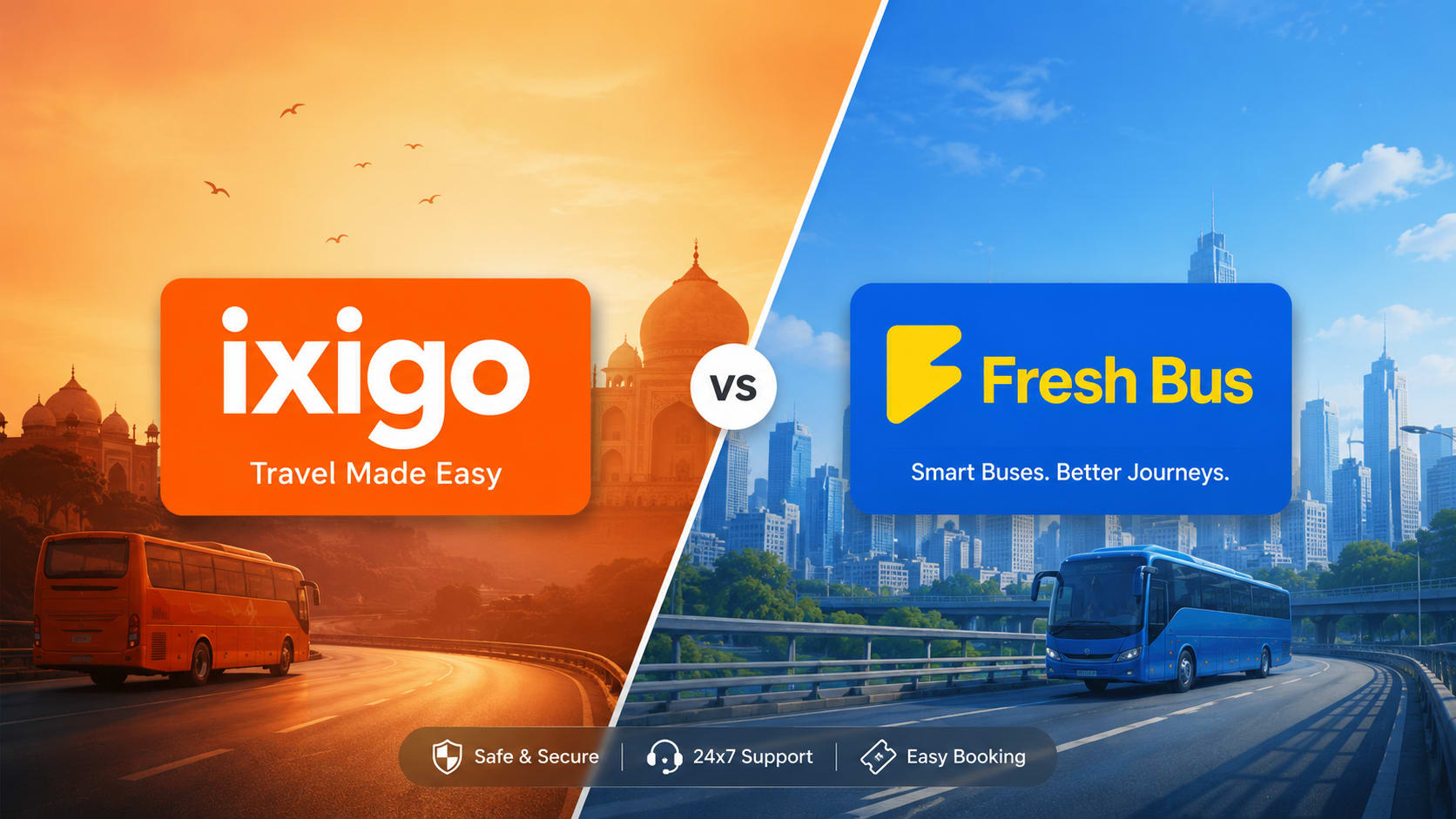
Le Travenues Technology, the parent company of popular travel booking platform ixigo, has agreed to sell a significant portion of its holding in electric intercity bus startup FreshBus. The company is divesting its 17.39% stake to Twelve Stone LLP for Rs 36.6 crore, according to a regulatory filing.
The transaction was agreed upon on August 13 and is expected to be completed by August 30. Once the deal closes, ixigo’s stake in FreshBus will drop from 26.66% to 8.27%. As a result, FreshBus will no longer be classified as an associate company of ixigo.
Details of the Transaction
Twelve Stone LLP will acquire the 17.39% stake. The firm’s designated partners include FreshBus founder and managing director Sudhakar Reddy Chirra and Sasya Chirra. The regulatory filing clarified that the transaction is not classified as a related party transaction.
For ixigo, the sale represents a partial exit from an investment made earlier in the electric bus operator. As of March 31, 2026, the value of ixigo’s investment in FreshBus stood at Rs 18.87 crore. FreshBus reported a loss of Rs 11.22 crore in FY26, reflecting the capital-intensive nature of building and scaling an electric intercity bus network.
The move allows Le Travenues Technology to reduce its exposure to the loss-making associate while retaining a smaller minority stake. It also returns capital that the travel platform can potentially redeploy into its core booking and technology businesses.
Background on FreshBus and Its Funding Journey
FreshBus operates in the growing segment of electric intercity bus travel in India. The startup aims to offer more sustainable and modern alternatives to conventional diesel-powered coaches on longer routes.
The company was founded by Sudhakar Reddy Chirra, an entrepreneur with deep experience in the bus industry. Chirra previously built AbhiBus, a major bus ticket aggregator. In 2021, ixigo acquired AbhiBus through a cash and stock deal, bringing Chirra’s earlier venture under the Le Travenues umbrella and establishing a relationship that later extended into FreshBus.
FreshBus has raised multiple rounds of capital to support its electric fleet and operations. In August 2024, the startup closed a Series A round of Rs 87.5 crore. The round was led by Maniv Mobility and saw participation from Shell Ventures, Alteria Capital and Riverwalk Holdings. Before that, FreshBus had raised Rs 7.5 crore from a group of notable investors that included CRED founder Kunal Shah, TVS Motors managing director Sudarshan Venu and Rivigo founder Deepak Garg. ixigo was also among the early backers.
These investments provided FreshBus with the resources needed to expand its electric bus network and build operational capabilities in a sector that requires significant upfront capital for vehicles, charging infrastructure and route development.
Strategic Implications for ixigo
The decision to sell the bulk of its FreshBus stake appears consistent with a focus on core travel booking and technology operations. ixigo has built a strong presence across flights, trains and buses through its platform and the earlier AbhiBus acquisition. Maintaining a large minority stake in a capital-intensive electric mobility startup may have created accounting and strategic complexity, especially while FreshBus continued to report losses.
By reducing its holding below the associate company threshold, ixigo simplifies its group structure and limits further exposure to FreshBus’s financial performance. Retaining an 8.27% stake still leaves the company with some residual upside if FreshBus scales successfully, without the obligations that come with associate company status.
For FreshBus, the transaction concentrates more ownership with the founder-led Twelve Stone LLP. This could give Sudhakar Reddy Chirra and his co-partners greater control over the company’s direction as it continues to navigate the challenges of scaling electric intercity transport.
Context of Electric Mobility and Intercity Travel
India’s intercity bus market remains large and largely dependent on conventional fuels. Electric buses offer the promise of lower operating costs over time, reduced emissions and a more modern passenger experience. However, the transition requires heavy investment in vehicles, depots, charging networks and reliable operations across long distances.
Startups such as FreshBus are attempting to build differentiated offerings in this space. Success depends on route selection, utilisation rates, charging reliability, passenger demand and the ability to manage costs while the technology and infrastructure mature. The losses reported by FreshBus in FY26 illustrate the typical early-stage economics of such businesses.
Investors in the sector, including specialised mobility funds and corporate venture arms such as Shell Ventures, have shown willingness to back promising operators. FreshBus’s ability to attract capital from Maniv Mobility and other investors in its Series A reflected confidence in both the market opportunity and the founding team’s domain expertise.
Looking Ahead
The stake sale is expected to close by the end of August. Once completed, FreshBus will operate with a different ownership structure, and ixigo will hold a significantly smaller minority position. The transaction marks a partial unwinding of the financial and strategic ties that developed following ixigo’s earlier acquisition of AbhiBus and its subsequent investment in Chirra’s electric bus venture.
For Le Travenues Technology, the deal provides an opportunity to streamline its portfolio and focus resources on its primary travel platforms. For FreshBus, greater founder-aligned ownership through Twelve Stone LLP may support a sharper operational focus as the company expands its electric intercity services and works toward improved financial performance.
In the broader Indian travel and mobility landscape, the transaction highlights how public and private travel platforms continue to adjust their investments in adjacent mobility startups. As electric bus operators mature, ownership structures and strategic partnerships are likely to evolve further, reflecting both the opportunities and the capital demands of the sector.