Liberty Shoes: From a Refugee Shoe-Repair Shop in Karnal to a Global Footwear Empire
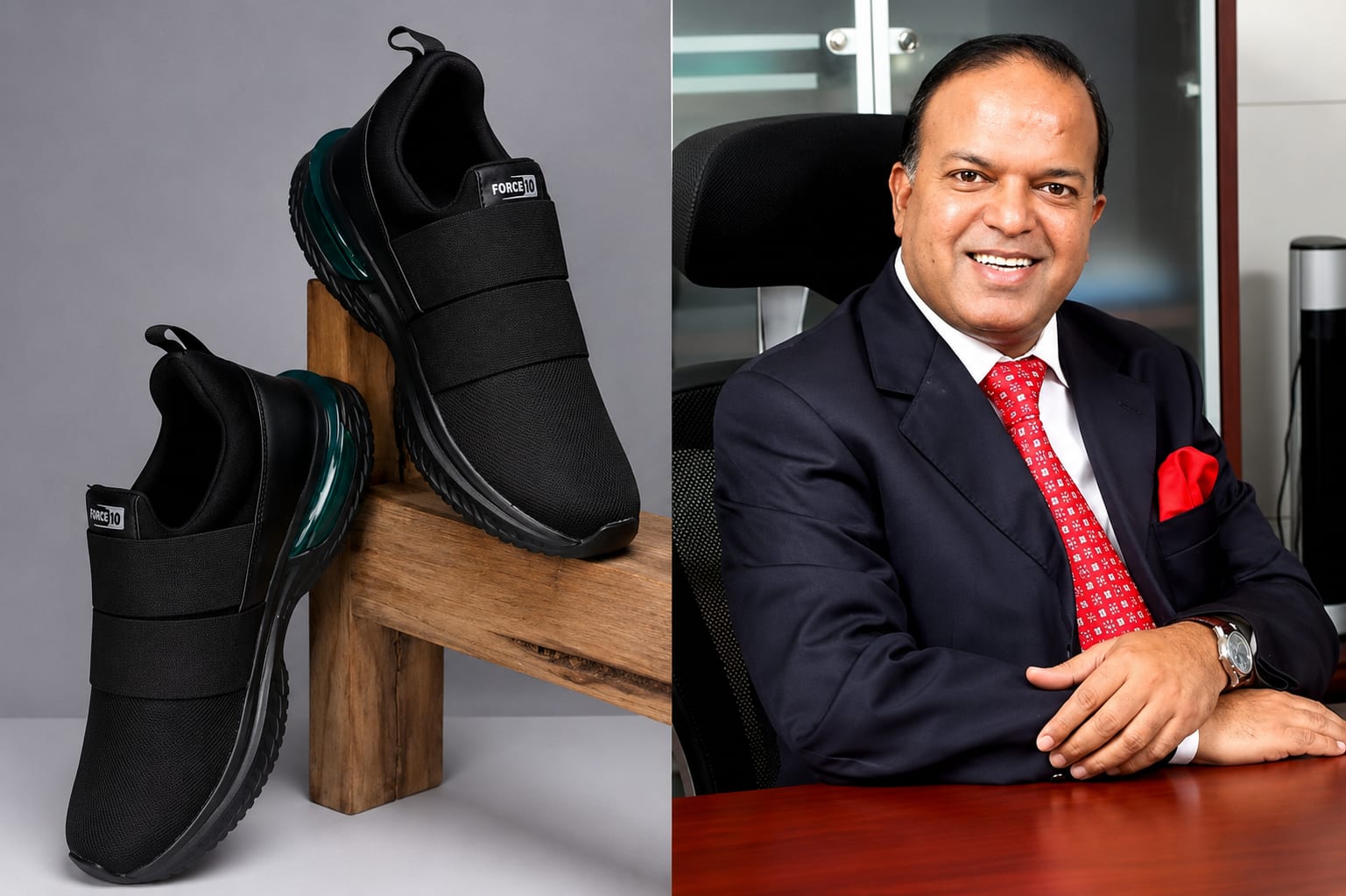
In the chaos of Partition, a family from Karachi arrived in India with nothing but hope and determination. Today, that same family’s legacy stands tall as Liberty Shoes — one of India’s largest footwear exporters, selling in over 25 countries and having sold more than 150 million pairs worldwide. This is a story of resilience, grit, and quiet ambition that rarely makes headlines in India’s startup ecosystem.
The Humble Beginnings After Partition
After losing everything during Partition, the Bansal family crossed the border and settled in Karnal, Haryana. With zero capital, the five brothers started a small shoe-repair shop to survive. They repaired footwear for local customers, working long hours under a shared roof with limited resources.
There was no factory, no brand name, and no external support. Just hard work, skill, and the refusal to give up. Those early years were about survival — fixing shoes by day and dreaming of something bigger by night.
From Repairing to Manufacturing
By the 1960s, the brothers had moved beyond repairs. They began making shoes in a small unit. The transition was gradual and careful. Instead of rushing into large-scale production, they focused on quality, learning the craft deeply, and understanding customer needs.
Their biggest strategic decision came when they chose a cooperative-style manufacturing model. Rather than relying on one large centralized factory, they spread production across small units in Haryana. This approach allowed them to train local workers, keep costs low, maintain flexibility, and scale without heavy capital investment.
While many competitors struggled with rigid structures and high overheads, Liberty’s distributed model gave it resilience. It could adapt quickly to market changes and survive economic downturns that affected others.
Building a National and Global Brand
Over the decades, Liberty Shoes transformed from a small Haryana-based manufacturer into a recognised Indian footwear brand. The company focused on quality, durability, and affordability — values that resonated with Indian consumers across segments.
Today, Liberty exports to the Middle East, Europe, and several other markets. It has built a strong presence without depending on foreign backing, venture capital funding, or celebrity-driven advertising campaigns. The brand’s growth has been organic, rooted in consistent execution and a deep understanding of both domestic and international markets.
Financial Strength and Current Standing
For the financial year ending March 31, 2026, Liberty Shoes reported a yearly revenue of ₹740.49 crore. The company continues to expand its product range, invest in technology, and strengthen its export footprint.
What makes Liberty’s journey remarkable is that it was built entirely on self-reliance. Starting from a refugee family with nothing, the Bansals created an enterprise that now provides employment, supports local economies in Haryana, and represents Indian manufacturing excellence on the global stage.
Why This Story Matters
In today’s startup conversation, the spotlight often falls on VC-funded unicorns and tech-first companies. But Liberty Shoes represents a different, equally important kind of entrepreneurship — one built on physical products, real manufacturing, long-term thinking, and community impact.
Refugee-founded businesses like Liberty have played a significant role in India’s post-independence economic story. Their success shows the power of determination, skill-building, and incremental innovation. These stories deserve more recognition alongside flashy tech valuations.
The Bansal family’s journey reminds us that great Indian companies can emerge from the smallest towns, the toughest circumstances, and the simplest beginnings — when built with patience, integrity, and a refusal to quit.
From a tiny shoe-repair shop in Karnal to a global footwear brand, Liberty Shoes is proof that with grit and vision, even the most modest start can lead to extraordinary outcomes.