Mann+Hummel Launches Global Technology Centre to Accelerate Filtration Innovation
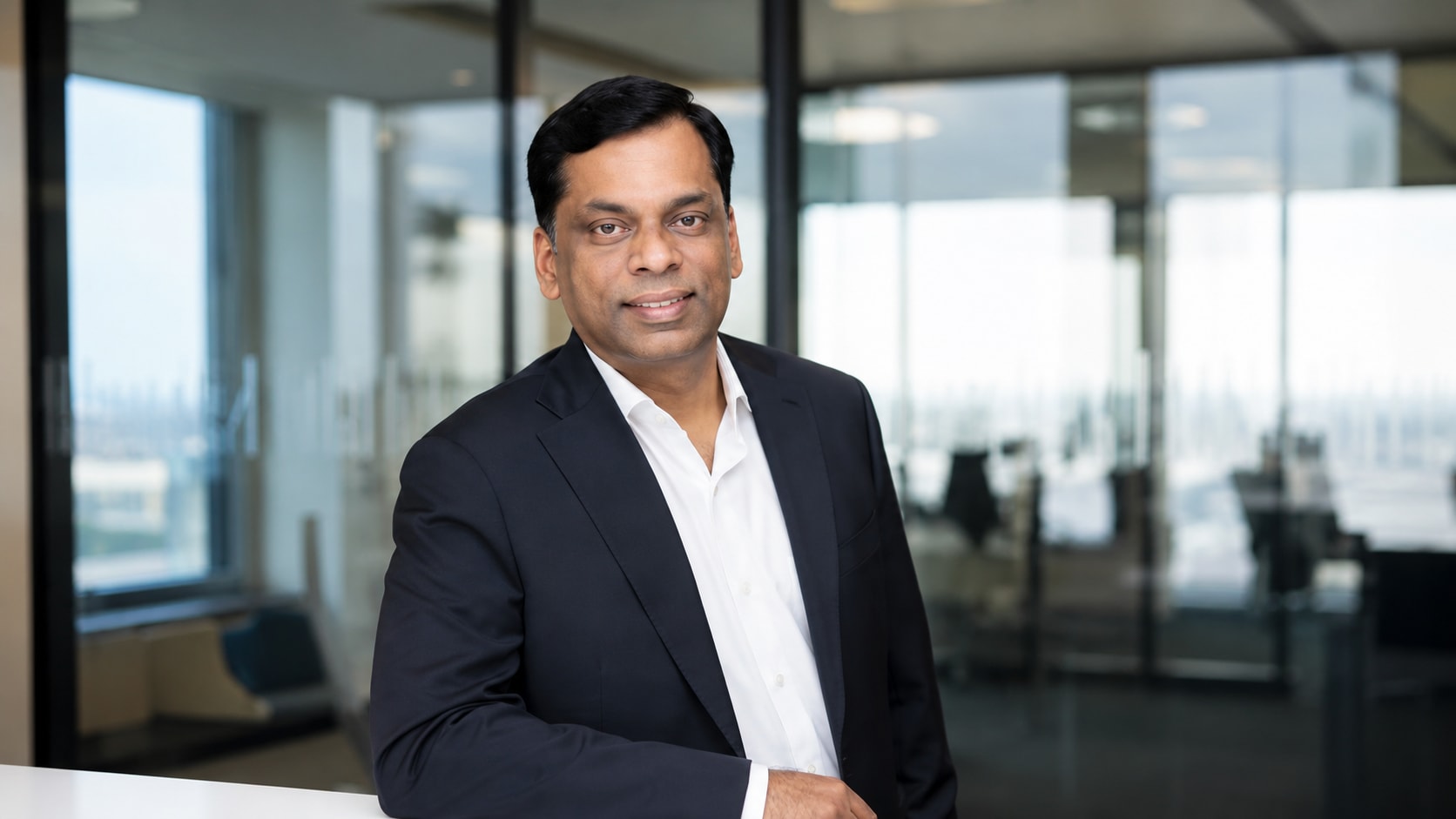
Germany-headquartered filtration solutions company Mann+Hummel has announced the launch of its Global Technology and Innovation Centre in Tumkur, Karnataka, alongside the expansion of its manufacturing facility in Pune. The combined investment in these two initiatives is expected to exceed ₹100 crore. The move strengthens India’s position as a key engineering and innovation hub for the global filtration industry.
Expanding Capabilities in Tumkur and Pune
The new Global Technology and Innovation Centre in Tumkur is designed to accelerate global product development and customer-centric innovation. It will bring advanced research labs, testing infrastructure, digital engineering, and data analytics under one roof. By integrating these capabilities, the centre aims to shorten development cycles and enable faster time-to-market for filtration solutions serving customers worldwide.
Alongside the Tumkur centre, Mann+Hummel is expanding its manufacturing operations in Pune. Together, these investments reflect the company’s long-term commitment to India as both a production base and a source of engineering talent. Mann+Hummel has operated in India for decades and currently employs 1,250 people across manufacturing facilities, technology centres, and sales operations. The latest expansion is expected to create 300–400 new jobs over the next 12 months.
From Support Hub to Strategic Engineering Powerhouse
Sudeesh Karimbingal, Managing Director of Mann+Hummel India, highlighted the significance of the shift. “For over 20 years, our Indian engineering team has been deeply embedded in our global product development. This centre transitions India from a support hub to a strategic engineering powerhouse, driving innovation that meets both local and global market needs.”
The Tumkur facility will leverage India’s strong engineering ecosystem to support closer collaboration with customers across regions. By locating advanced research and testing capabilities in Karnataka, the company expects to respond more quickly to evolving market requirements in transportation, industrial filtration, and environmental applications.
Focus on Sustainable and Energy-Efficient Solutions
The centre’s technical agenda prioritises energy-efficient filtration systems, reduced lifecycle emissions, and circular solutions. This includes greater use of recycled materials and eco-friendly product design. The work will also address broader environmental challenges such as air quality improvement, water purification, industrial emissions control, and access to clean water.
These priorities align with growing global demand for filtration technologies that deliver performance while lowering environmental impact. By combining digital engineering tools with advanced materials research, the Tumkur centre is expected to contribute solutions that serve both Indian and international markets.
India’s Growing Role in Global Filtration Technology
Hasmeet Kaur, President of the Transportation Division at Mann+Hummel Group, underscored why India was chosen for the company’s largest development hub outside Germany. “India stands at the forefront of engineering talent and technological advancement, making it a natural choice for our largest development hub outside Germany. This centre will not only accelerate our innovation capabilities but also enable us to deliver scalable, sustainable filtration solutions to customers worldwide.”
The decision reflects a broader trend of global manufacturers treating India not only as a cost-effective manufacturing location but as a centre for high-value engineering and product innovation. For Mann+Hummel, the Tumkur investment builds on two decades of engineering collaboration and positions the Indian team to take greater ownership of global development programmes.
Looking Ahead
With the Tumkur technology centre and the Pune manufacturing expansion, Mann+Hummel is deepening its footprint in India at a time when demand for advanced filtration continues to rise across automotive, industrial, and environmental sectors. The creation of several hundred new jobs and the concentration of research, testing, and digital capabilities in Karnataka signal a long-term commitment to building both capacity and expertise in the country.
As the centre becomes fully operational, it is expected to strengthen collaboration between Indian engineers and global product teams, reduce development timelines, and deliver filtration solutions better tailored to the needs of customers around the world. For India, the project reinforces the country’s emergence as a strategic location for advanced engineering in the filtration industry.