MARS Cosmetics: How a Brand Born in Tier 2 & 3 Cities is Marching Towards ₹800 Crore
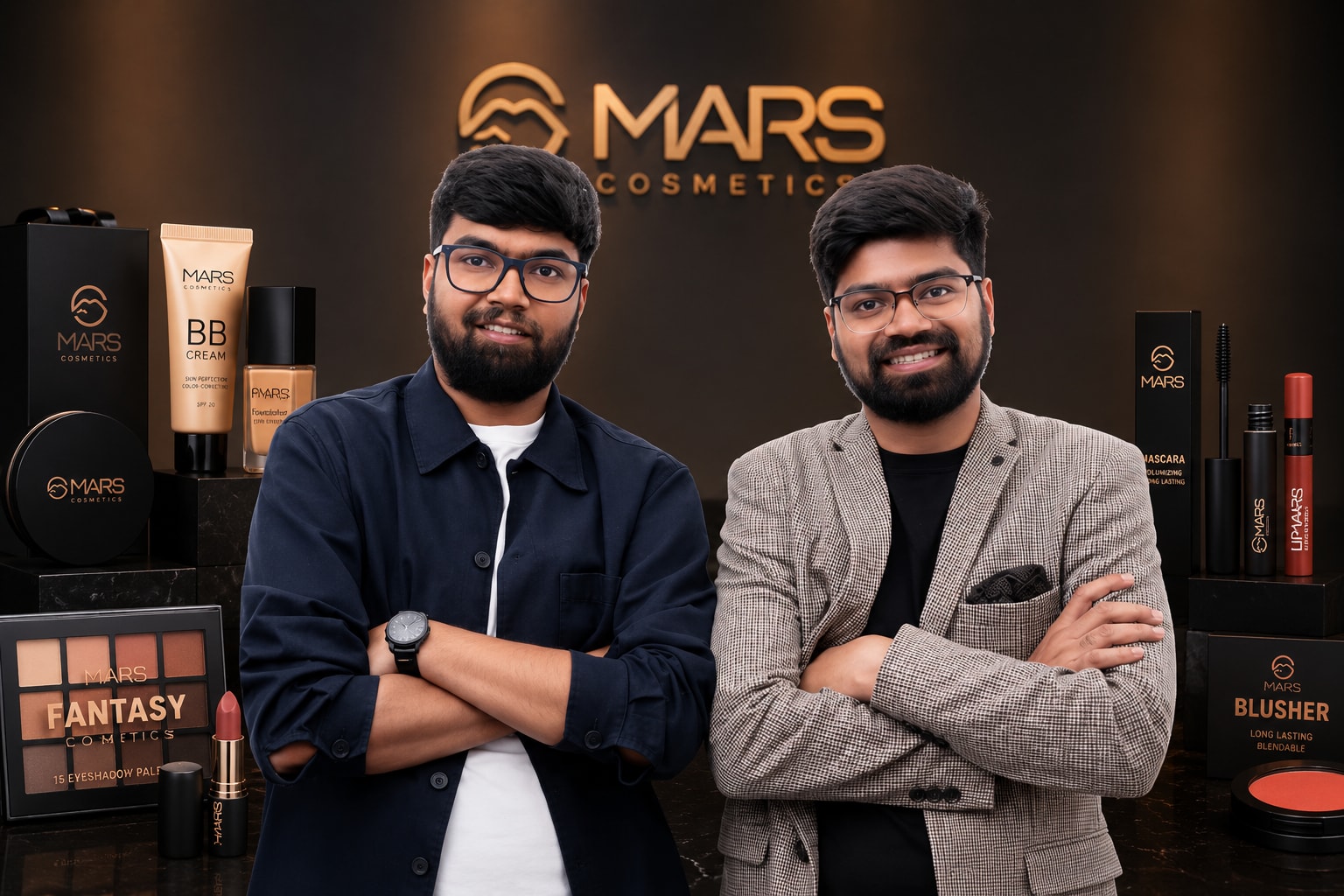
India is becoming a booming market for the beauty & cosmetics industry, with global players showing interest in capturing it; one brand quietly capturing the loyalty of roughly 2 out of every 10 women who wear makeup in the country is MARS Cosmetics.
On track to become an ₹800 crore business, MARS has achieved this not by following the traditional playbook of metro-first expansion, but by deliberately flipping the script. Their success offers powerful lessons for any consumer brand aiming to win in Bharat beyond the big cities.
Most beauty and personal care brands follow a familiar path: launch in metros like Mumbai, Delhi, and Bengaluru to build aspirational appeal, secure premium positioning, and then trickle down to Tier 2 and Tier 3 cities. MARS did the opposite. They started deep in smaller towns and cities, where consumers were underserved yet represented massive volume potential. This single strategic choice shaped product development, distribution, marketing, and everything in between.
Understanding the Real Consumer
Founder Manoj Sethia, along with co-founders Abhishek Sethia and Rishabh Sethia, recognized early that Tier 2 and Tier 3 consumers weren’t looking for cheap knock-offs of big-city glamour. They wanted makeup that respected their budgets, skin tones, climate conditions, buying habits, and desire for personalization. Affordability was important, but relevance and trust mattered more.
This insight led to a thoughtfully designed product range priced between ₹69 and ₹400. At these accessible price points, trying a new lipstick, kajal, or compact didn’t feel like a risky financial decision. The brand focused on high-quality formulas suited for Indian skin and weather, long-lasting yet gentle, with shades that flattered diverse undertones prevalent across the country.
MARS built a truly hybrid presence. They understood that Tier 2/3 shoppers are digital natives who research products online but still prefer the tactile experience of swatching shades in person before buying. The brand invested in both robust e-commerce (own website and major marketplaces) and widespread offline availability.
Marketing That Resonates Locally
While many beauty brands chase national celebrities for instant reach, MARS took a grassroots approach. They collaborated with regional micro-influencers and content creators who speak directly to local audiences in their language and context. These creators share authentic tutorials, shade-matching tips, and real-life usage stories that feel relatable.
Content strategy further reinforced this. MARS produces material in regional languages, addressing everyday concerns of smaller-town women from humid weather smudge-proof needs to festive occasion looks. This linguistic and cultural sensitivity builds deeper emotional connections than glossy national campaigns ever could.
The Results Speak for Themselves
The payoff has been extraordinary. By solving real problems for a massive, underserved segment, MARS has achieved impressive penetration. Serving 2 out of every 10 makeup-using women is no small feat in a country as diverse as India. The brand’s growth trajectory toward a ₹800 crore valuation reflects strong repeat purchases, positive word-of-mouth, and expanding loyalty.
What makes MARS particularly interesting is its disciplined focus. They didn’t try to be everything to everyone immediately. By dominating the heartland first, they built a rock-solid foundation of volume and loyalty before pushing into metros with credibility already established. This reverse-pyramid approach minimized risk while maximizing learning about Indian consumers.
Lessons for Brand Builders
MARS’s journey challenges several myths in Indian consumer marketing:
Aspirational Pull Isn’t Always Top-Down: Authenticity and relevance in smaller markets can create powerful pull that eventually influences larger cities.
Price Sensitivity vs. Value: Consumers in Tier 2/3 are willing to pay when products feel designed for them.
Hybrid Wins: Pure online or pure offline rarely suffices. Integrated experiences matter.
Micro > Macro: Local creators often deliver better ROI and trust than national celebrities for mass-market brands.
Distribution Depth Beats Breadth Initially: Being everywhere your core customer shops trumps flashy store openings in premium locations.
In many ways, MARS embodies the evolving India story where Bharat is no longer a secondary market but the primary engine of growth for smart brands. Their success coincides with rising incomes, smartphone penetration, and aspirational yet pragmatic consumption in smaller towns.
Looking Ahead
As MARS scales further, maintaining quality and relevance will be key. Competition in beauty is intensifying with both global giants and nimble D2C players. However, the brand’s deep roots in Tier 2/3 give it a formidable moat. Continued innovation in products, stronger digital integration, and perhaps international expansion into similar emerging markets could fuel the next phase.
For entrepreneurs and marketers, MARS proves that starting “from the bottom” isn’t settling for less; it can be the smartest path to building something truly big. In a country where the real volume lies beyond the metros, understanding and serving Bharat first can create loyal customers who propel a brand to national and potentially global success.
The next time you see a woman in a Tier 2 town confidently rocking her MARS lipstick, remember: she isn’t just a consumer. She’s part of a quiet revolution that’s reshaping how brands win in India.