BREAKING
Nvidia probes CEO Jensen Huang as China chip policy comments come under fire
The chief executive called Washington's export curbs a mistake weeks before the board launched an inquiry into his relationship with a Chinese executive.
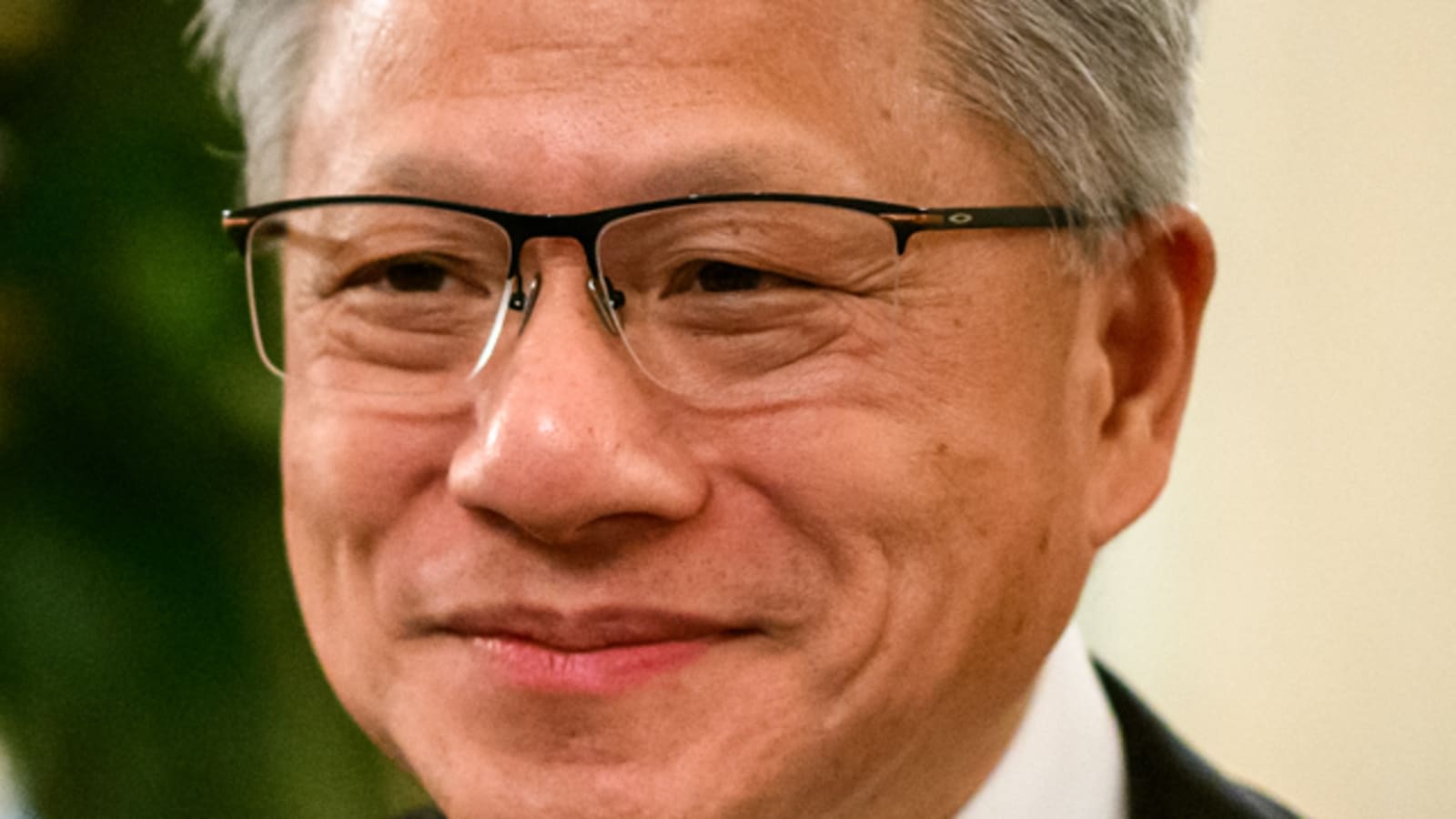
Nvidia’s board of directors has launched an independent investigation into whether chief executive Jensen Huang was targeted in a Chinese intelligence operation, weeks after the executive publicly described US export restrictions on AI processors to Beijing as a "mistake".
The inquiry, announced on 8 November, is being conducted by a committee of independent directors alongside external legal counsel. It follows reports that US intelligence agencies identified an extra-marital relationship between the 63-year-old Nvidia co-founder and Alice Huang, a former executive at Singapore-based data centre firm Megaspeed International. Intelligence officials suspect she was recruited by China’s Ministry of State Security to gather information on the chipmaker’s leadership.
Huang admitted to the relationship in an internal message to employees, offering an apology to his family and staff. "I was unfaithful to my wife," Huang said. "My actions hurt her and our children. There is no excuse for what I did. I am deeply sorry." He confirmed he fully supports the board's review and is cooperating with investigators. He remains chief executive of the Santa Clara, California-based company during the probe.
Nvidia’s board stated that it currently has "no reason to believe" that company trade secrets or US national security were compromised, but committed to examining all available facts.
The China policy comments under scrutiny
The board's action has drawn fresh focus to comments Huang made during an interview with Bloomberg's Emily Chang for an upcoming episode of The Circuit, filmed less than a month before the board opened its inquiry. In the interview, Huang vigorously defended doing business in China and urged US policymakers to maintain commercial ties with Beijing.
"I did my best to inform the policymakers in the United States of the importance of engaging the Chinese market and making sure that we serve that market for as long as we can," Huang told Bloomberg. Addressing Washington's progressive tightening of semiconductor export controls, he added: "I think we made a mistake, and this mistake is hard to unwind, but I did my best. That's all I could do."
Huang also rejected characterising Beijing as an adversary in the global race for artificial intelligence. "There are more Chinese AI researchers than any other nation in the world, and many of them working at the labs," he said. "I've been very clear that even though, although we compete against China, they're not our enemies."
He argued that maintaining international dialogue is essential for managing the risks of artificial intelligence. "If we care deeply about the safety of the world with respect to artificial intelligence, then of course we must open dialogues," Huang said, while defending China’s economic goals. "We want America to be rich. They want China to be rich. We should respect that aspiration."
Why it matters
For chipmakers, AI startups and institutional investors, the combination of a high-level intelligence probe and policy friction creates immediate instability at the core of the global AI hardware supply chain.
Nvidia is the world's most valuable company, having achieved a $5 trillion market capitalisation last year and recording quarterly profits of $59.69 billion in August. Its graphics processing units serve as the primary infrastructure for training and running advanced AI models worldwide. Any leadership disruption or heightened regulatory restriction directly threatens hardware allocation timelines and enterprise planning across the technology sector.
Analyst Dan Ives of Yorkville Ives warned that the situation would trigger congressional inquiries and create an overhang on Nvidia's shares. "This will add risk to the stock as he is so important to the Nvidia story and strategy globally," Ives said. "This will also increase major scrutiny regarding selling chips to China, which remains a key battleground issue in DC."
Megaspeed ties and intelligence concerns
The intelligence concerns centre on Alice Huang, also known as Huang Le, a Chinese citizen and former television reporter who became a senior executive at Megaspeed International. The two are not related.
Megaspeed has emerged as one of Nvidia's largest customers in Southeast Asia, buying more than $4.8 billion worth of Nvidia processors over the past two years. The company has faced separate scrutiny over whether it served as a conduit to bypass US trade controls and funnel advanced semiconductors into mainland China. Nvidia previously stated that it verified Megaspeed had not illegally transferred AI processors to Chinese entities.
Reports from US intelligence agencies indicate officials concluded that Alice Huang was tasked by Beijing with cultivating ties to the Nvidia chief executive to gather intelligence and potentially influence access to restricted chip technology.
Market context across Asian chipmakers
News of the probe broke against a turbulent backdrop for technology equities following the US midterm elections, where Democrats won control of both houses of Congress. Concerns over potential legislative tightening around AI data centre construction and capital expenditure had triggered a broad tech sell-off before markets stabilised on Monday.
Asian semiconductor stocks experienced sharp movements as investors weighed regulatory fears against bargain hunting across major Asian exchanges.
| Company | Country | Stock Index | Price Movement | Primary Business |
|---|---|---|---|---|
| TSMC | Taiwan | Taiex | +6.0% | Semiconductor foundry |
| Kioxia | Japan | Nikkei 225 | Rallied | Memory chips |
| Tokyo Electron | Japan | Nikkei 225 | Rallied | Chip equipment |
| Advantest | Japan | Nikkei 225 | Rallied | Semiconductor testing |
| SK hynix | South Korea | Kospi | +3.0% | High-bandwidth memory |
| Samsung | South Korea | Kospi | +3.0% | Electronics & memory |
Sally Auld, analyst at National Australia Bank, noted that market anxiety around capital expenditure, free cash flow and AI regulation remains unresolved in the short term despite the temporary rebound.
Political response and next steps
US President Donald Trump addressed the reports during an event on 31 October, describing the situation as "very complex" while praising Huang, who serves on the President's Council of Advisors on Science and Technology. "I've always found Jensen Huang to be very aboveboard," Trump said, adding that his administration would examine the matter closely.
Secretary of State Marco Rubio declined to comment on the matter while departing for a G7 meeting in Paris, citing the nature of intelligence reporting and internal corporate proceedings.
Nvidia has not outlined a timeframe for the completion of the board's independent review. The company maintains that Huang will continue in his role as chief executive while the committee conducts its investigation.