BREAKING
OpenAI pledges to cover data center power costs after US ballot losses
The AI developer published commitments to pay full electricity costs, eliminate NDAs with officials, and seek community input after 40 of 41 local ballot measures failed.
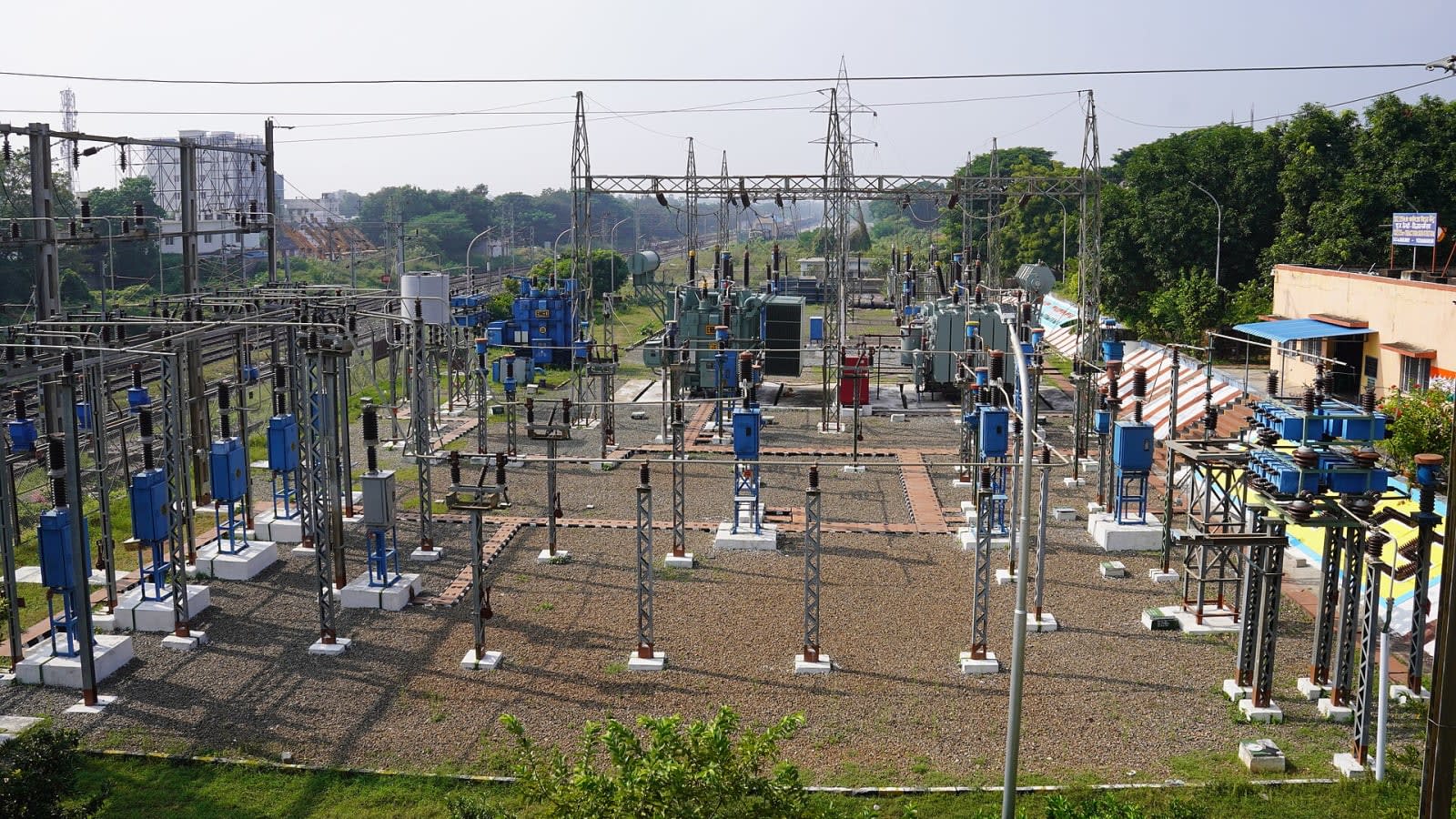
OpenAI has published a new set of commitments for its data center operations, pledging to cover the full cost of powering facilities it owns and operates while abandoning the use of non-disclosure agreements with local public officials.
The policy blueprint, released on Thursday, 5 November 2026, comes two days after American voters broadly rejected local measures aimed at expanding artificial intelligence infrastructure. Out of 41 local ballot measures across 10 states, voters backed restrictions or defeated pro-development proposals for 40 of them, according to an analysis of election results by Ballotpedia and additional reporting.
Alongside paying its full energy bills, OpenAI stated that for facilities under its direct control, it will publish construction plans, seek community input, and refrain from requiring public officials to sign non-disclosure agreements. The company is also urging local and federal lawmakers to codify these principles into law.
"What we're doing with this blueprint is really laying out the best lessons that we have learned and committing to applying them as they go forward," Chris Lehane, OpenAI Chief Global Affairs Officer, told reporters during a briefing on Wednesday. "This will help ensure that there is a very high floor in terms of how people move forward."
Summary of key metrics and expansion plans
| Item | Value | Source |
|---|---|---|
| 2030 compute spend target | $600 billion | OpenAI investor presentation |
| Local ballot measures rejected | 40 of 41 | Ballotpedia and news reports |
| US states with ballot measures | 10 states | Election analysis |
| Key project locations | Georgia and Ohio | OpenAI announcements |
| Blueprint development timeline | August 2026 to present | OpenAI global affairs desk |
What OpenAI committed to
The infrastructure guidelines cover both operational standards for OpenAI's owned facilities and recommendations for broad legislation across the industry. The company stated it will no longer use non-disclosure agreements when negotiating data center projects with public officials, a practice that previously drew criticism from local advocacy groups.
OpenAI also committed to publishing facility construction plans in advance and establishing formal mechanisms to gather local community feedback before breaking ground. Crucially, the company reaffirmed that it will pay the full financial burden of its electricity consumption, aiming to prevent utility companies from passing power grid expansion costs on to local residential ratepayers.
Lehane stated that the policy framework had been in development since August 2026. During that period, he met with dozens of political candidates and lawmakers to discuss infrastructure standards.
"Having these conversations now actually helps put more energy into the momentum, so that when people come back in late January, new Congress is in session, a lot of the work is being done in advance," Lehane said.
Why it matters
For AI founders, infrastructure operators, and venture investors, OpenAI's policy shift reflects a sharp change in the public and political environment surrounding compute expansion. The ability to secure power and municipal permits has become a primary bottleneck for scaling large language models.
By agreeing to end non-disclosure agreements and absorb full energy costs, OpenAI is setting a new baseline for how infrastructure deals are structured in North America. This model is likely to increase initial project development times and capital costs for large-scale facilities, as developers will have to navigate public consultations and un-subsidised utility tariffs.
However, establishing clear community guidelines early may prevent costly legal delays, municipal moratoriums, or political pushback later in the buildout cycle. Tech companies seeking to build high-density compute facilities will face pressure from local authorities to match OpenAI's blueprint on ratepayer protections and transparency.
The ballot box backlash
The policy publication comes directly after widespread voter resistance to data center development in Tuesday's local elections. Opposition to infrastructure projects mounted across the political spectrum over the summer of 2026, driven by public concerns over economic and environmental pressure.
Consumers facing high inflation, elevated grocery costs, and persistent fuel prices expressed concern that energy-intensive data centers would drive up household utility bills, drain local resource supplies, and accelerate job displacement. The physical facilities became a target for broader public dissatisfaction with rapid AI deployment.
Voting outcomes across 10 states showed near-total rejection of developer-friendly terms, with 40 out of 41 ballot measures resulting in new restrictions or defeated municipal proposals.
Compute targets and project pipeline
OpenAI relies heavily on expansive data center networks to train frontier models and run daily customer workloads. In February 2026, the company told investors it was targeting a total compute expenditure of $600 billion by 2030.
To meet those processing needs, OpenAI has announced major data center builds in Georgia and Ohio. Company executives stated that the commitments released this week build upon earlier regional investment promises designed to support local public services and protect energy ratepayers.