Paytm Remains Majority Indian-Owned for Second Consecutive Quarter
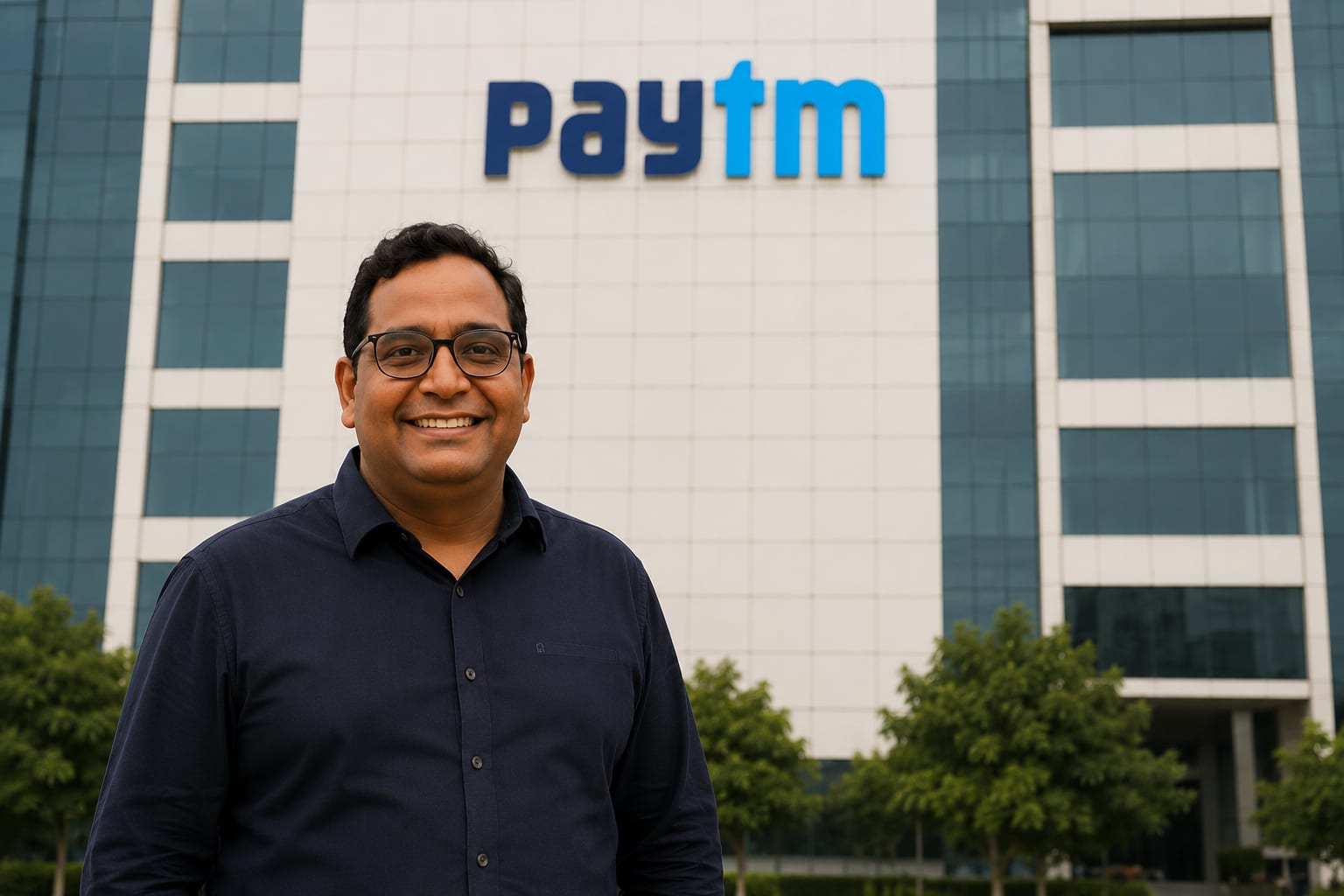
One97 Communications Ltd, the parent company of India’s leading fintech brand Paytm, has continued its streak of being a majority Indian-owned company. According to its latest shareholding pattern filed with the Indian stock exchanges for the quarter ended June 30, 2026, domestic investors now hold approximately 51.6% stake in the company up from 50.3% in the previous quarter.
This marks the second consecutive quarter where Paytm has maintained majority Indian ownership, a significant milestone that reinforces its position as an Indian-Owned and Controlled Company (IOCC), first achieved in March 2026.
Rising Domestic Institutional Participation
Domestic institutional ownership reached an all-time high of 24.9% in Q1 FY27, up from 23.1% in Q4 FY26. Mutual funds led the charge, increasing their collective stake to 17.9% from 16.6%. The number of mutual fund houses investing in Paytm also rose to 43 from 41 in the previous quarter.
Notable domestic mutual funds that increased their holdings include Motilal Oswal Mutual Fund, Bandhan Mutual Fund, Nippon Mutual Fund, Mirae Asset Fund, and Kotak Mutual Fund. Domestic insurance companies also raised their stake to 5.3% from 5.1%, led by SBI Life Insurance.
This sustained buying by long-term Indian institutional investors reflects growing confidence in Paytm’s improving business fundamentals and long-term potential.
Strong Operating Performance Fuels Investor Interest
The increase in domestic ownership comes on the back of Paytm’s significantly improved financial performance. In FY26, the company reported its first full-year profit, with a profit after tax of Rs 552 crore. Revenue from operations grew 22% year-on-year to Rs 8,437 crore, while EBITDA turned positive at Rs 502 crore — a massive improvement of Rs 2,008 crore compared to the previous year.
These numbers demonstrate Paytm’s successful transition toward sustainable profitability while maintaining strong growth in its core payments and financial services businesses.
Global brokerages have also taken note. Last month, Goldman Sachs maintained a positive outlook on Paytm, raising its revenue estimates by 2% and EBITDA estimates by up to 6%. The brokerage highlighted continued market share gains in payments and strong momentum in financial services, noting that Paytm’s valuation has room to re-rate if the company sustains revenue growth above 20%.
What This Means for Paytm
The rising domestic ownership is more than just a shareholding statistic. It signals:
- Increased faith from long-term Indian investors in Paytm’s growth story
- Reduced reliance on foreign capital
- Greater alignment with national interests in the fintech sector
- Strengthening of the company’s position as a homegrown fintech leader
For a company that faced significant regulatory and market challenges in recent years, this sustained increase in domestic institutional participation is a strong validation of its turnaround strategy and improving operational performance.
The Road Ahead
As Paytm continues to strengthen its payments ecosystem, expand its financial services offerings, and focus on profitability, the growing support from domestic investors could provide a stable foundation for its next phase of growth.
With majority Indian ownership now firmly established for two consecutive quarters, Paytm appears well-positioned to navigate the evolving regulatory and competitive landscape while maintaining its focus on innovation and customer-centric services.
The latest shareholding pattern not only reflects investor confidence but also underscores a broader trend of Indian institutions backing strong domestic technology and fintech companies with solid fundamentals and clear growth paths.