BREAKING
Sam Altman blames high stakes and mistrust for wave of senior OpenAI departures
The chief executive tells a podcast that departing leaders only trusted themselves to build the technology when power and direction were on the line.
What happened
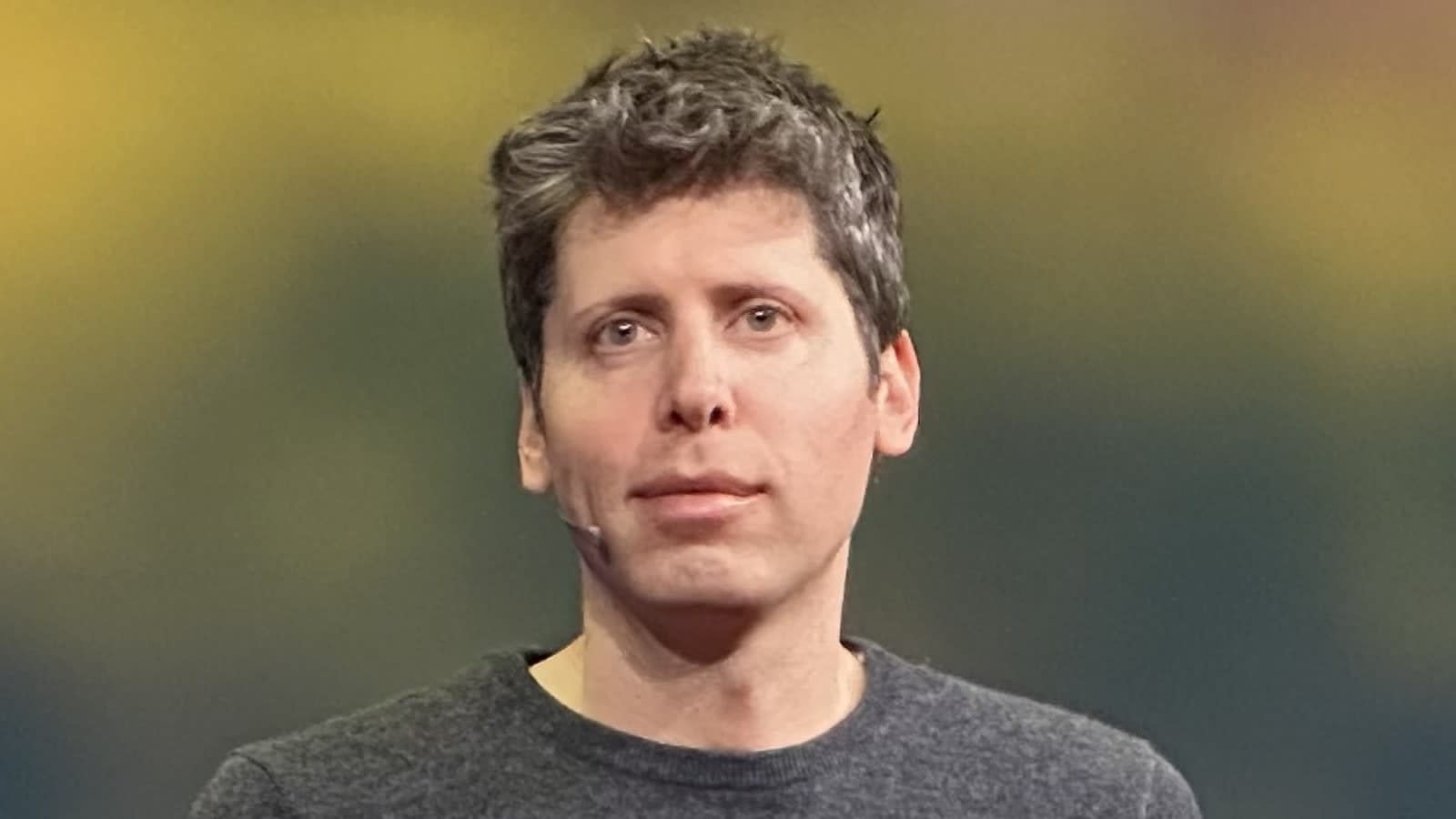
OpenAI Chief Executive Sam Altman has offered an explanation for why a string of co-founders, research leads and C-suite executives have quit the organisation to launch competing artificial intelligence ventures. Speaking on Raj Shamani's podcast, Altman stated that high stakes in AI development drive top researchers to trust only themselves with the technology's trajectory.
Asked why there is persistent friction in the AI sector and why key figures repeatedly spin off from OpenAI to start rival companies, Altman attributed the trend to a combination of philosophy and power dynamics. He pointed specifically to co-founders Elon Musk and Ilya Sutskever, former Chief Technology Officer Mira Murati, and former Vice President of Research Dario Amodei.
"I think there is something that happens in many people's brains where they only trust themselves to build this because the stakes feel so high," Altman said during the interview.
Pressed on whether the departures stemmed from fundamental disagreements about how AI models should be constructed or from a fear of centralised authority, Altman indicated that the two issues are inextricably linked.
"I think it's somehow this approach is bad and so I can't let power get concentrated in his hands. Something like that," Altman said, summarizing the mindset of departing leaders as a matter of "approach and trust."
Who is involved
Several of the most prominent names in artificial intelligence have separated from OpenAI over its operational direction and governance structure since its founding.
| Executive | Former OpenAI role | Departure context | Current status |
|---|---|---|---|
| Elon Musk | Co-founder | Departed early team | Building competing AI project |
| Ilya Sutskever | Co-founder & Chief Scientist | Led November 2023 board action | Departed following reinstatement |
| Mira Murati | Chief Technology Officer | Served as interim CEO in Nov 2023 | Departed company |
| Dario Amodei | VP of Research | Disagreed on direction | Left to build rival venture |
Internal tension at the company peaked in November 2023, when OpenAI's board of directors abruptly removed Altman from his position as chief executive. At the time, the board consisted of chief scientist Ilya Sutskever, Quora Chief Executive Adam D'Angelo, technology entrepreneur Tasha McCauley, and Georgetown Center for Security and Emerging Technology's Helen Toner.
Following a review process, the board stated in an official announcement that Altman was "not consistently candid in his communications with the board, hindering its ability to exercise its responsibilities." The board declared it no longer had confidence in his ability to lead OpenAI and named Mira Murati as interim chief executive.
Altman was subsequently reinstated as chief executive following intense internal and external pressure, a move that was followed by the departure of several key executives who had backed or led the governance challenge.
Why it matters
For founders, operators and investors in the technology sector, Altman's comments highlight how existential governance debates directly shape team retention and market competition in AI. When core researchers view model safety and technical architecture as matters of high consequence, differences in product philosophy cease to be routine corporate disagreements.
Instead, these ideological splits act as primary catalysts for spin-offs, creating well-funded direct competitors led by the very engineers who built the original products. Trust between corporate leadership and technical research talent remains the central vulnerability for major AI developers.
What happens next
It is not yet clear how OpenAI plans to structure its future leadership and research teams to prevent further senior defections, nor has the company disclosed specific operational changes to address concerns over centralized authority.