Spudnik Farms: How One Woman Entrepreneur is Helping Small Farmers Earn More
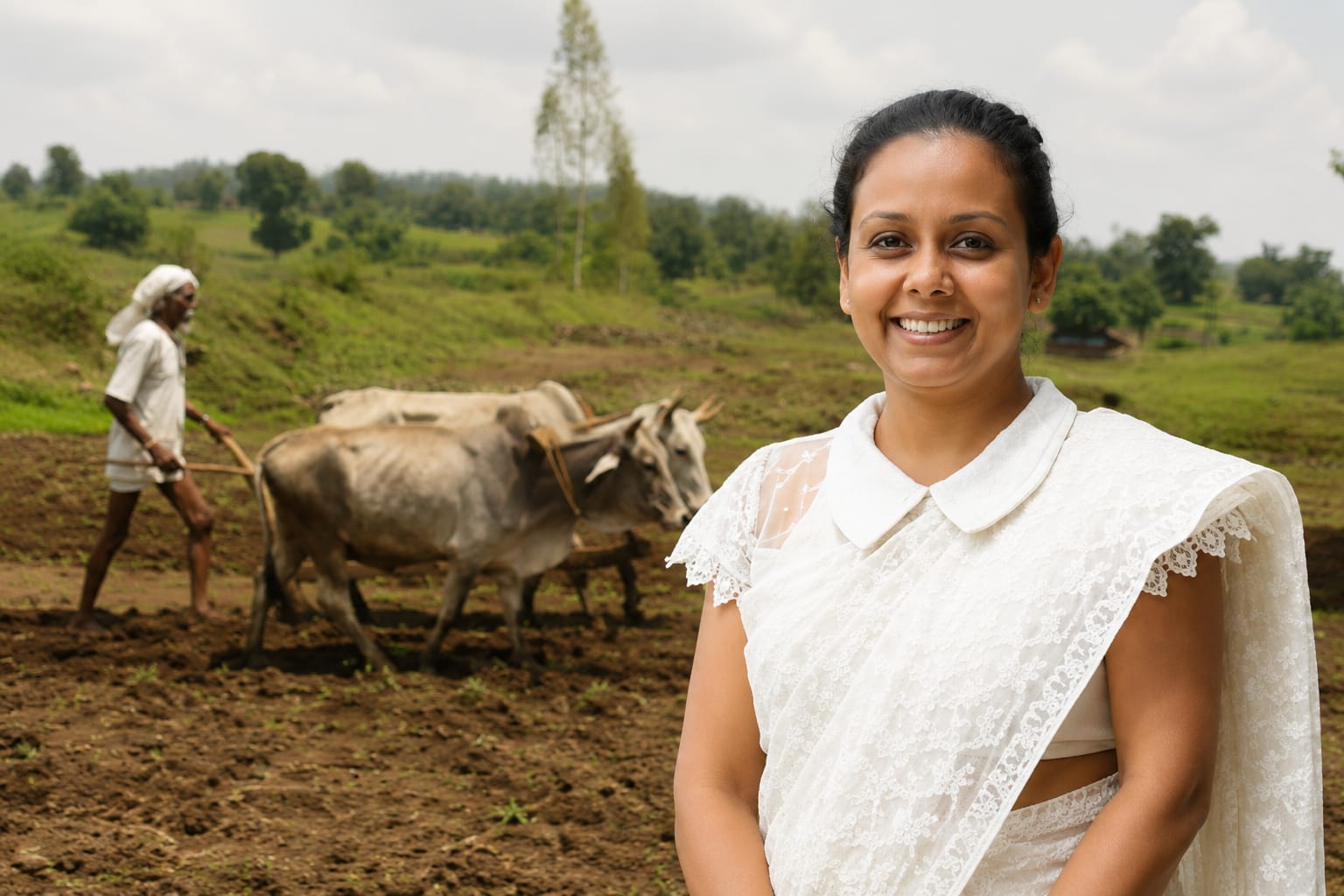
When Sumeet Kaur left her corporate tax advisor job in 2012, she was searching for purpose. What began as a personal experiment growing her own food on a friend’s vacant plot in Hoskote, near Bengaluru, eventually evolved into Spudnik Farms a company that connects urban consumers directly with local farmers through a subscription-based Community Supported Agriculture (CSA) model.
Today, Spudnik Farms works with around 250 farmers across Karnataka, helping them earn stable and higher incomes while promoting seasonal, indigenous, and sustainably grown produce.
From Personal Experiment to Business Model
Sumeet’s journey started with clearing land, learning natural farming, and growing more vegetables than her family could consume. Friends and acquaintances began requesting the fresh produce, which tasted noticeably better than what was available commercially. However, the cost of transportation made the model financially unsustainable as demand grew.
This challenge led Sumeet to study global farming models. She discovered Community Supported Agriculture (CSA), where consumers commit upfront to supporting farms in return for regular deliveries of fresh produce. While CSA models worked well in the West on large farms, Sumeet realised she needed to adapt it to India’s reality of small and marginal farmers.
Instead of asking customers to choose individual vegetables, Spudnik Farms offers curated weekly baskets tailored to household size. This simple yet effective approach makes fresh, seasonal produce convenient and predictable for urban families.
The company officially launched its current model in November 2019. The COVID-19 pandemic soon highlighted the importance of local supply chains. While larger systems struggled, Spudnik Farms was able to keep delivering because it worked closely with nearby farmers.
Empowering Farmers Through Stable Income
Spudnik Farms operates in two main clusters in Karnataka one near Nelamangala on the outskirts of Bengaluru, and another in Uttara Kannada. The partnership in Uttara Kannada began when a cold-storage facility built under a CSR initiative for tribal farmers was underutilised. Spudnik stepped in to help those farmers grow produce for the company, expanding market access and increasing incomes by roughly Rs 30,000 a month for many participants.
The model benefits farmers significantly. Spudnik buys multiple crops from the same farmer across seasons cucumbers one week, bhindi the next ensuring more diversified income. The company encourages companion planting and crop rotation, practices that improve soil health while providing steady revenue streams.
By working with farmers who already practise organic farming and encouraging others to transition, Spudnik is helping revive indigenous varieties and reduce dependence on chemical inputs. One early farmer, Gowramma, started on just 0.25 acres in 2019. Within months, she earned nearly Rs 50,000, leading her to expand to her full 1.5-acre farm. Today she grows over 10 varieties and earns about Rs 25,000 monthly, enabling her family to move from a kutcha house to a pucca home.
Building a Sustainable Food System
Spudnik Farms has two main verticals: the CSA subscription business for fresh produce and a value-addition business. In Uttara Kannada, where farmers grow indigenous root and tuber vegetables, the company is producing sweet potato poppers, taro chips, and other snacks to generate more value for farmers.
Consumers can choose from weekly subscription boxes in different sizes or seasonal fruit boxes. The company sources locally and seasonally, encouraging customers to eat what grows naturally in their region rather than expecting year-round availability of items like peas or broccoli.
Sumeet believes changing consumer habits is one of the biggest challenges. Many people expect the same vegetables all year round, disconnected from seasonality. Spudnik promotes alternatives like avarakai (broad beans) when peas are out of season, highlighting that sustainable eating starts with local and seasonal choices.
A Bootstrapped Model Focused on Impact
Spudnik Farms remains bootstrapped and is close to breaking even. The company has benefited from programmes like Technoserve’s Greenr Accelerator, which helped refine its business model and led to B2B supply opportunities with platforms like Blinkit.
Pricing is decided based on three factors: the cost to get produce to consumers, a fair price for farmers (typically 20-30% more than they would get elsewhere), and what customers are willing to pay. This balanced approach ensures sustainability for all stakeholders.
Beyond business, Spudnik organises festivals, workshops, and community events in Bengaluru to reconnect consumers with the people who grow their food. Farmers from Uttara Kannada participate in chef residencies and food festivals, showcasing their produce and culture.
The Road Ahead
Spudnik Farms is now building its e-commerce website to reach more customers while continuing its subscription model. The company aims to expand its reach, strengthen value-addition, and help more farmers transition to sustainable practices.
Sumeet Kaur’s journey from a tax advisor to building a community-supported agriculture model shows how one person’s search for purpose can create opportunities for hundreds of farmers and thousands of conscious consumers.
By connecting urban families directly with small farmers, Spudnik Farms is not just selling vegetables it is helping rebuild a more equitable and sustainable food system, one basket at a time.
In doing so, it is proving that business can be both profitable and deeply meaningful when it puts farmers and conscious consumption at its heart.