Swiggy Becomes Majority Indian-Owned Company as Domestic Stake Rises to 50.24%
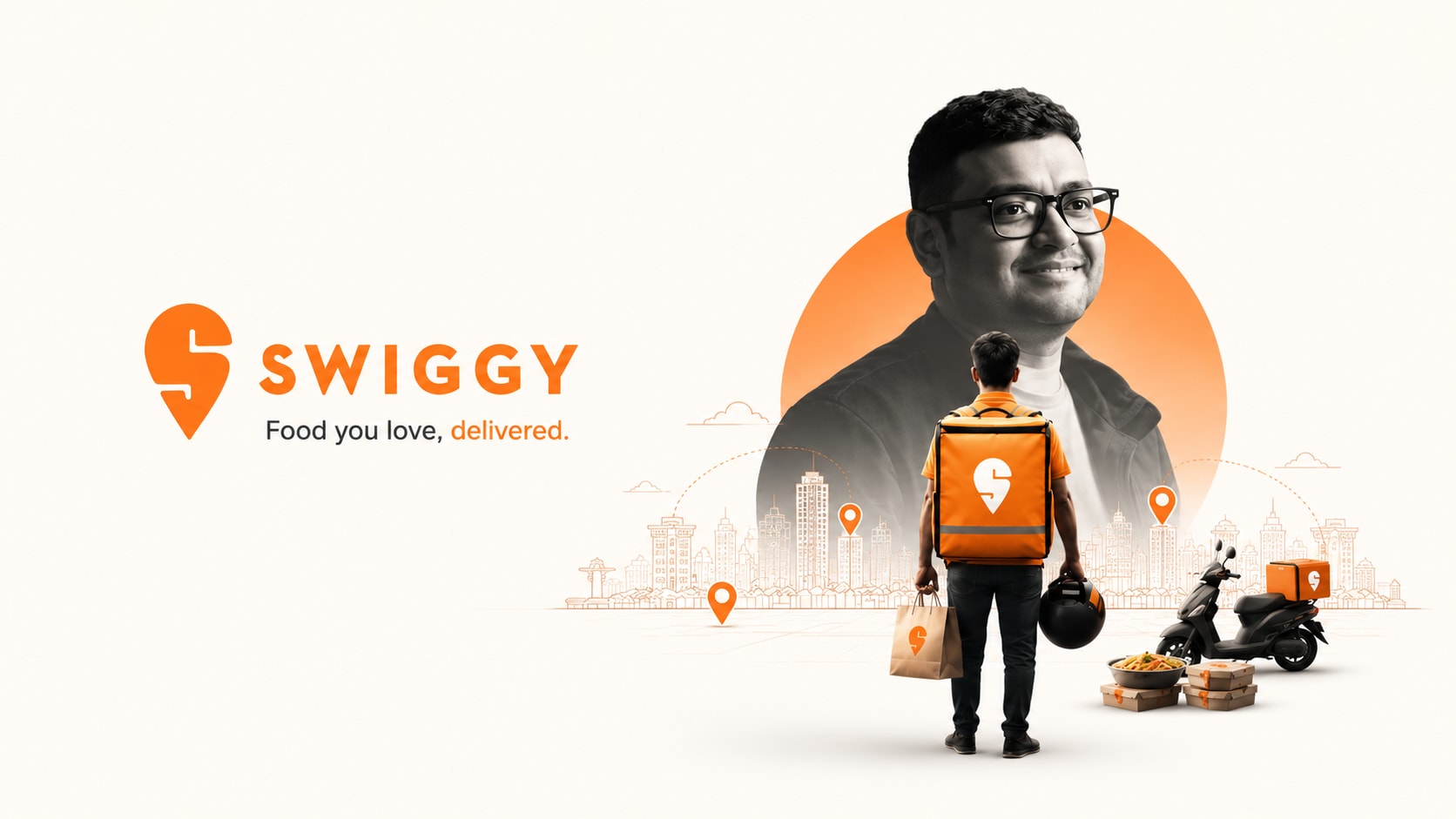
In a significant milestone for India’s homegrown tech ecosystem, Swiggy has crossed a key threshold, becoming a majority-Indian-owned company. Domestic shareholders now hold a 50.24% stake in the food delivery and quick-commerce giant, marking a shift in ownership structure that underscores growing confidence among local investors in one of India’s most valuable consumer internet companies.
The development comes at a crucial time for Swiggy, which has been navigating complex governance transitions while expanding aggressively into quick commerce through its Instamart vertical. The rise in domestic ownership reflects both strategic share movements and broader market sentiment favoring Indian companies with strong local roots.
Background and Context
Swiggy, founded in 2014 by Sriharsha Majety, Nandan Reddy, and Rahul Jaimini, started as a food delivery platform and has since evolved into a diversified consumer technology player. The company went public in 2024 and has been actively building its quick commerce business, Instamart, which operates an inventory-led model requiring different operational flexibility compared to its core food delivery business.
The increase in domestic stake to over 50% is noteworthy because it gives Indian shareholders majority control. This shift happens weeks after Swiggy shareholders rejected certain proposed governance changes linked to its Instamart operations. The rejection highlighted tensions around balancing growth ambitions with corporate governance standards.
Why Domestic Ownership Matters
Reaching majority Indian ownership carries symbolic and practical importance:
National Pride: Swiggy joins a growing list of Indian startups that have achieved significant scale while retaining strong local ownership.
Investor Confidence: Rising domestic institutional and retail participation signals faith in Swiggy’s long-term potential despite current market challenges.
Governance Dynamics: Higher Indian ownership could influence future board decisions, strategic direction, and alignment with national policy priorities.
Flexibility for Growth: The company has been seeking greater operational leeway for Instamart’s inventory-led model, which differs fundamentally from asset-light food delivery.
The Instamart Transition and Governance Debate
Swiggy’s quick commerce ambitions have been central to recent developments. Instamart operates with its own inventory and dark stores, requiring faster decision-making and different capital allocation compared to the core business. The company had proposed governance changes to provide more flexibility for this vertical.
However, shareholders pushed back on some of these proposals, reflecting concerns about founder control, minority shareholder protection, and long-term value creation. The rejection of certain changes underscores the maturing of India’s public market governance standards, where investors are increasingly vocal about corporate structures.
Despite the pushback, Swiggy continues to invest heavily in quick commerce. The segment has shown strong growth potential, though it comes with higher cash burn and operational complexity compared to food delivery.
Broader Implications for Indian Startups
Swiggy’s journey toward majority Indian ownership mirrors evolving trends in the Indian startup ecosystem:
Shift from Foreign Dominance: Many early-stage startups relied heavily on foreign capital. As companies mature and go public, domestic capital is playing a larger role.
Public Market Maturity: Indian public markets are becoming more sophisticated, with greater participation from domestic institutions, mutual funds, and retail investors.
Founder Control vs. Governance: Balancing founder vision with strong governance remains a key challenge, as evidenced by recent shareholder votes at Swiggy and other companies.
Quick Commerce Race: Swiggy’s push into inventory-led quick commerce pits it against rivals like Zomato’s Blinkit. The outcome of this race will significantly influence India’s broader consumer internet landscape.
Challenges Ahead
While the increase in domestic stake is positive, Swiggy faces several headwinds:
Profitability Pressure: The company is still investing heavily in growth, particularly in quick commerce. Achieving sustainable profitability remains a key milestone.
Competition: Intense rivalry in both food delivery and quick commerce segments continues to drive high customer acquisition costs and margin pressure.
Regulatory Environment: Evolving regulations around data, competition, and gig worker rights could impact operations.
Execution on Governance: Balancing flexibility for growth with robust governance will be critical to maintaining investor confidence.
The Road Forward
Swiggy’s leadership has consistently emphasized long-term value creation over short-term optics. The company’s ability to navigate the recent governance debate while strengthening domestic ownership suggests strategic maturity.
As India’s digital economy continues expanding, companies like Swiggy that combine strong consumer brands, technological capabilities, and local market understanding are well-positioned for sustained growth. The rise in domestic stake could also open doors for greater alignment with national priorities around technology self-reliance and job creation.
For Indian investors and the broader startup ecosystem, Swiggy’s milestone represents validation of the country’s ability to build and back world-class consumer technology companies. As the company charts its next phase of growth—balancing food delivery strength with quick commerce ambitions—the increased Indian ownership provides a solid foundation.
The coming quarters will test Swiggy’s ability to deliver profitable growth while maintaining governance standards that satisfy its diverse shareholder base. For now, crossing the 50% domestic ownership mark stands as a proud moment for India’s tech journey.