FINTECH
The 2 AM Pivot: How a 16-Year-Old Founder is Automating the Tax Nightmare Facing India’s Remote Workforce
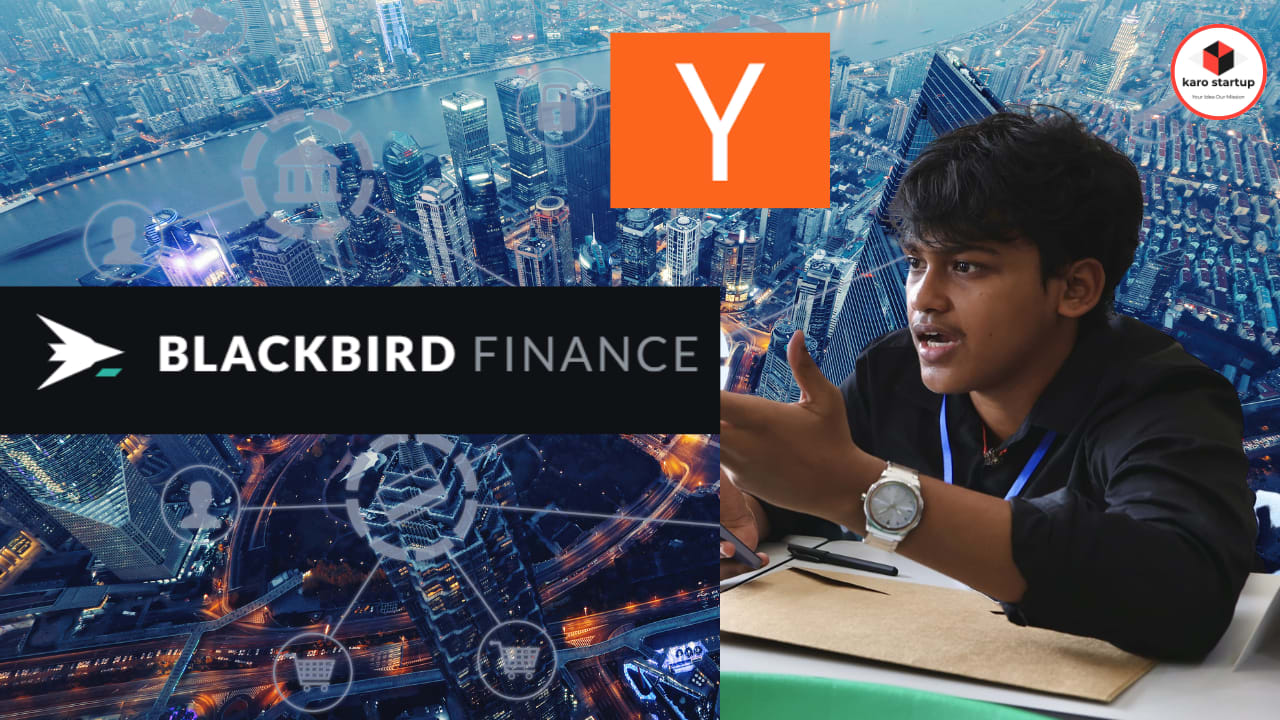
It was May 2026, and at 2 AM in a Hyderabad bedroom, Mahesh Bal was juggling 11th-grade CBSE accounting notes on one screen and a high-stakes startup pitch on the other.
At 16, Bal was the founder of what was then called Blackmere Holdings. His vision was grand: a sophisticated, quantitative wealth management platform packed with multi-asset portfolio engines. He was mid-pitch to a remote software engineer earning USD, walking him through a 35-slide deck filled with high-finance buzzwords.
Suddenly, the engineer cut him off.
"I don't care about a wealth app," the potential user interrupted, exhausted. "I just got hit with a retroactive 18% GST tax demand because I didn't know what an LUT filing was, and my bank hasn't issued my e-FIRCs in six months. I'm losing real money to paperwork I don't understand."
That blunt feedback was a revelation. The engineer didn’t need investment advice; he was being crushed by regulatory traps on income he had already earned. That night, Bal deleted the 35-slide "high finance" deck. He spent the rest of the night reading dense Reserve Bank of India circulars and Section 16 IGST rules.
That 2 AM pivot was the birth of Blackbird Finance.
The Hidden Friction of the Borderless Economy
India is home to a rapidly growing population of over 1.5 million borderless workers—software engineers, agency owners, and digital exporters—earning in currencies like USD, EUR, and GBP. While modern payment gateways like Wise or Stripe make moving money across borders easier than ever, they stop short of managing the complex backend of Indian statutory obligations.
For these professionals, financial anxiety is constant. They face "phantom balances," unsure how much of the $10,000 in their account is spendable cash versus how much must be held back for taxes.
The compliance hurdles are severe. Software exports qualify for 0% GST, but only with precise adherence to Rule 46 compliant invoices and an active Letter of Undertaking (LUT). Missing an LUT renewal can retroactively trigger an 18% tax liability plus penalty interest. Furthermore, proving money entered India legally requires collecting Foreign Inward Remittance Certificates (e-FIRCs) from AD-1 banks—a manual process that costs exporters dozens of hours quarterly.
Bal realized the biggest opportunity wasn't in shiny consumer finance apps, but buried in the dry, complex compliance friction that everyone else avoided.
Building the Ambient Tax Engine
Bal set out to build Blackbird Finance as an "ambient financial operating system." Unlike accounting software that requires manual entry, or payment gateways that just move funds, Blackbird sits "top-of-pipe" above existing bank accounts to unify remittance and Indian tax compliance automatically.
The initial build required significant technical engineering to architect an AI agent framework capable of strict regulatory handling. Bal and his team built a system that automates e-FIRC retrieval directly from banks, locking them in S3 WORM storage. They built guardrails that automatically inject Rule 46 export declarations and track LUT renewals to prevent surprise tax demands. The platform also provides real-time tax isolation, auto-calculating Section 44ADA presumptive limits to separate spendable income from tax liabilities.
The journey was grueling. Balancing school leadership and student council commitments with architecting an international fintech infrastructure led to intense burnout. Trying to establish corporate credibility with banking partners and navigate bureaucracy as a 16-year-old often felt impossible.
The Turning Point
The trajectory changed overnight when Blackbird Finance was accepted into Y Combinator’s Winter 2027 batch. Securing the standard $500,000 YC deal wasn't just about capital; it was ultimate institutional validation. It erased the "student project" perception, giving the Hyderabad-based team instant credibility with global investors and partners. To date, the company has raised $525,000, including strategic angel backing.
By focusing intensely on a hyper-specific pain point, Blackbird achieved product-market fit rapidly. In October 2026 alone, the startup saw its Monthly Recurring Revenue (MRR) scale by 460% to $8,400, driven entirely by word-of-mouth in developer communities and achieving a $0 Customer Acquisition Cost (CAC).
Today, Blackbird Finance serves 523 active monthly users, including 212 paying subscribers across its Pro tiers for individuals and Agency tiers for boutique studios.
The Vision Ahead
Looking ahead to the YC Demo Day, Blackbird is aiming for $30,000+ in MRR and scaling its user base to over 3,500 developers and agencies. The product roadmap includes deploying direct bank APIs to reduce e-FIRC issuance time to under 60 seconds.
Over the next 3-5 years, Bal envisions Blackbird Finance becoming the primary financial OS for global remote engineers across emerging markets, expanding beyond India into Southeast Asia and Latin America. The long-term goal is to evolve into a full-stack financial layer offering treasury management and yield-generating reserve vaults.
For Bal, the biggest lesson learned is simple: "Fall in love with the user's daily friction, not your own grand product vision."
By scrapping the flashy pitch deck and focusing on the unglamorous reality of regulatory anxiety, Bal discovered that when you eliminate a genuine headache, you don't need to sell the product—users bring their peers along.