The Day Tata Could Have Walked Away: The Tata Finance Scandal and the Promise Ratan Tata Kept
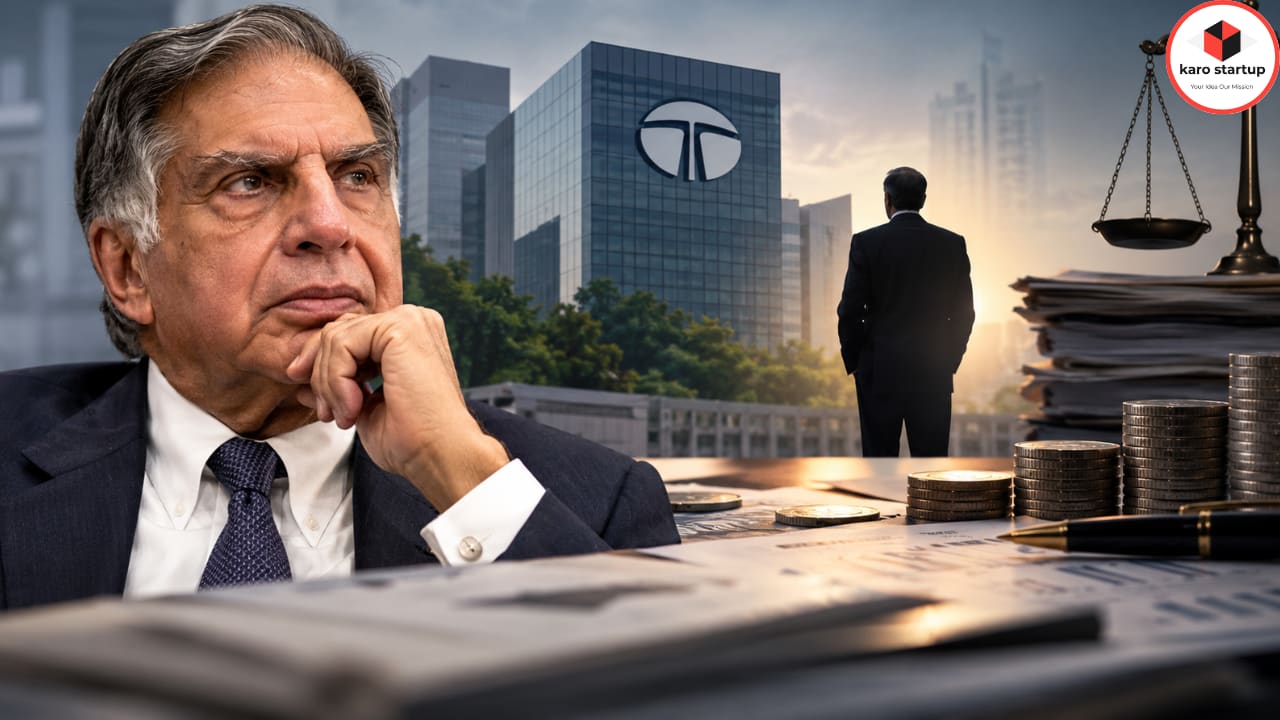
Ask an Indian why they trust Tata, and you’ll hear about salt, steel, cars and tea. But the clearest answer comes from a scandal.
The Protégé
Dilip Pendse was once a financial genius, a protégé of Ratan Tata. In 1996, he was handed a big task: build the Tata group’s non-banking financial services firm, Tata Finance.
Nearly 4 lakh+ people invested their life savings in it. At that time, the money was worth ₹875 crore.
They weren’t gambling. They were trusting a name.
The Mumbai of 2001
Mumbai’s financial world of 2001 was full of hustlers, stockbrokers fixing the markets, and executives playing along with them. It was a dirty business.
And at the head of a trusted brand sat Pendse.
The Cracks
In April 2001, the market regulator Sebi asked Tata Finance to explain huge losses of ₹70 crore made by one of its subsidiaries, Nishkalp Investment & Trading Co. The company was preparing for a large rights issue at the time.
By the time Tata Finance filed an FIR against Pendse, the losses had grown, and the fraud was plain to see. Pendse and five others had set up Nishkalp to put Tata Finance’s money into speculative trading in stocks like Global Telesystem and Vakranagee Software. Since Pendse controlled Nishkalp, any profits would have gone into his pocket.
They never came. The carry-forward trades went wrong.
The trail also led to Ketan Parikh, the reigning “Bombay bull” of the day, later convicted for market manipulation. Many of Nishkalp’s bets were in the so-called K-10 stocks, which Parikh pushed up by exploiting their low liquidity. Amitabh Bachchan Corp., Zee Telefilms, Mukta Arts and Aftek Infosys were among them.
Then came the number that stunned everyone. Pendse had used ₹525 crore of investors’ money to make senseless, bad investments in his friends’ companies. Those companies went bankrupt, and the investment fell to zero.
The Decision
Ratan Tata had every reason to hide behind the law, or to say the fault was one man’s.
Instead, he said: “This money is of those who trusted our name, who trusted our company, and will not let that money go down.”
He arranged the whole amount overnight and paid back everyone who had invested. The massive losses were, in the end, taken care of by Tata Sons.
The Reckoning
The consequences kept coming.
Inshaallah Investment Ltd, another Tata Finance subsidiary, filed a complaint alleging that Pendse had issued cheques worth ₹2 crore to brokers for the personal transactions of a former director. In February 2003, police in New Delhi arrested him. The charges included cheating, forgery, criminal conspiracy, misappropriation of funds, criminal breach of trust and falsification of accounts.
It wasn’t only about one man. Group heavyweights Freddie Mehta, chairman of Tata Finance, and JE Talaulicar, chairman of Nishkalp, were pulled in. The question was whether they had known, and if not, whether they were doing their jobs. Talaulicar was later charged with insider trading by Sebi.
Even the audit firm AF Ferguson, hired to investigate, faced questions. One of its senior partners, YM Kale, was forced to leave after his role in preparing the internal report was challenged.
In June 2016, Sebi finally barred Pendse and three other entities from the capital market. Its order said the affairs of the companies had been mismanaged to commit fraud on investors.
A glittering 22-year career with the Tata group had ended in disgrace.
The Silence That Followed
After all this, a few names came to light. But the investors didn’t rush to blame anyone or demand answers.
They trusted Ratan Tata. They had seen his loyalty to them, and they knew their money wasn’t going anywhere.
Why People Trust Tata
Not because Tata never stumbles. This story shows a group that did, with fraud on its watch and hard questions about its own oversight.
People trust Tata because of what came next. When the money was gone, they made it good. Trust like that isn’t built by ads. It’s built on the day you could have walked away and didn’t.
Which brand would you still trust in a crisis?
Comment below