FOUNDERS
The Man Who Wouldn’t Stop Building: K Ganesh, A key figure in Big Basket
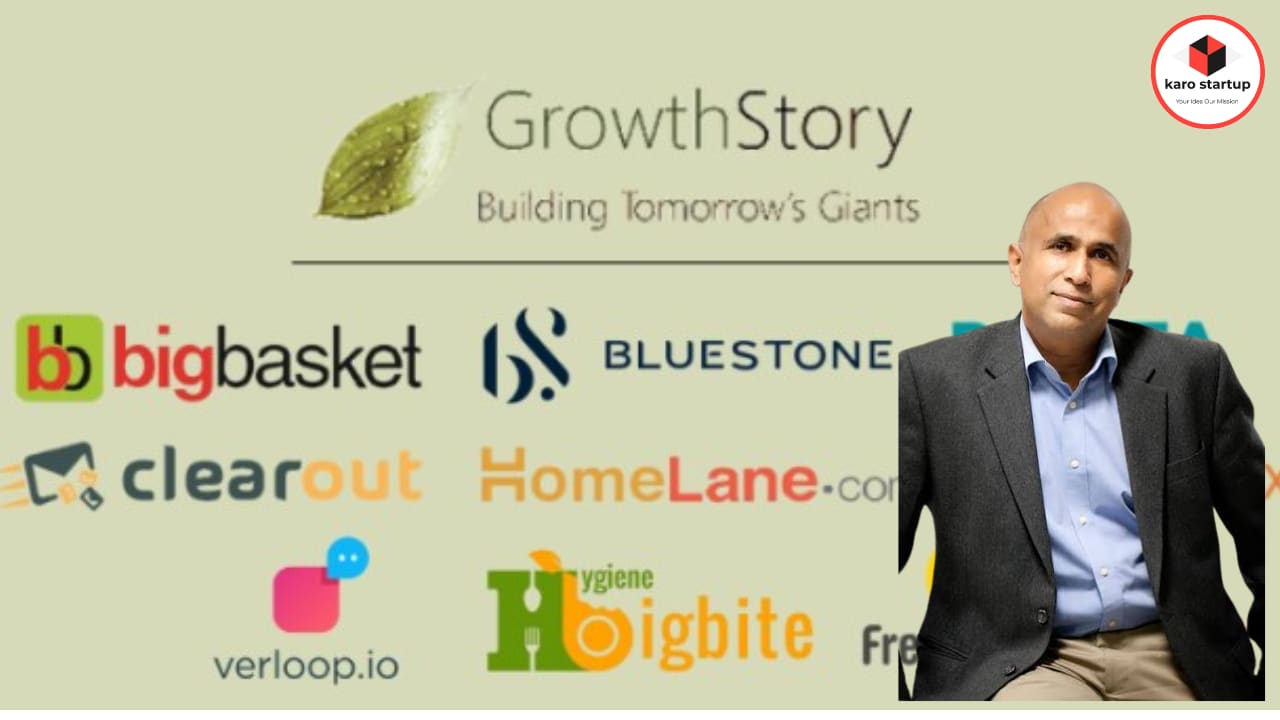
It happened in Bengaluru in 1990. He was 29, with an IIM Calcutta degree in hand and a stable job that most people would have clung to. K. Ganesh quit it anyway.
In his pocket was ₹97,000. It wasn’t much, but it was enough to start something small: a company that repaired and maintained computer hardware.
There were no investors and no safety net. Every rupee that came in had to be earned, and every decision had to be paid for by the business itself. He bootstrapped it fully.
A decade later, Ganesh sold the company.
Most people would have stopped there. A founder with a successful exit, a decade of hard work behind him, and money in the bank would have had every reason to rest.
But Ganesh and his wife, Meena, had other plans. Together, they started another company. Then another.
Three ventures. Three exits.
The Idea Nobody Else Saw
In 2005, the couple noticed something that no one else seemed to see.
Across the ocean, American parents were paying a fortune for private tutors. Meanwhile, India had thousands of brilliant teachers, and the internet could connect the two.
The idea was simple. Indian teachers would tutor students in the US and abroad, live and online.
In 2006, Ganesh put in ₹50 lakh of his own money and launched TutorVista.
The reaction was not kind. People laughed. Outsourcing homework to India? It sounded absurd.
But it worked.
Within the first year, Sequoia invested. In about five years, TutorVista grew into one of the largest online tutoring companies in the world, with revenue of around $50 million.
Then, in 2011, Pearson, the world’s biggest education company, bought 80% of TutorVista. The valuation: $213 million.
Now they were set for life. Again.
Building the Builder
And again, they didn’t stop.
But this time, they didn’t want to build just one more company. Instead, the couple built something different: a system for building companies.
They put in the first money. They assembled founding teams. They backed those teams from day one.
One of those bets was an online grocery store run by Hari Menon and his co-founders. It was called BigBasket.
In 2021, Tata bought a majority stake in it, at a valuation of nearly $2 billion.
There were other bets too: BlueStone, an online jewellery company, and Portea, a home healthcare company. Over the years, the Ganesh have been involved with more than a dozen startups.
Ganesh once explained it simply. They’re not a fund. They’re promoters.
They don’t just write cheques. They build.
What Their Story Teaches
Your first company doesn’t need to be your big idea. It needs to teach you.
A computer repair shop started with ₹97,000 was never going to be the end of the story. But it taught Ganesh how to build, sell, and begin again.
The best ideas often sound ridiculous at first.
Outsourcing homework to India made people laugh. It also made a $213 million company.