Founders
The Oil That Wasn’t Supposed to Work: How Indulekha Bhringa Oil Came to the Market
In 2006, the biggest consumer goods company in India made a quiet decision.
Hindustan Unilever sold its coconut oil brand, Nihar, to Marico for ₹240 crore. The reasoning was simple enough. Hair oil was a low-price, crowded business, and Parachute dominated it. When the giant of Indian consumer goods looked at that shelf, it saw a fight not worth having. So it walked away.
For a while, it looked like the right call.
Then, three years later, something strange happened in a small coastal town called Thalassery, in north Kerala.
A local company called Mosons launched a hair oil. And in doing so, it broke every rule of the category.
Consider the numbers. A 100 ml bottle of Parachute sold for about ₹33. Mosons’s new oil cost ₹432. That is more than 13x the price, for the same amount of oil.
It didn’t stop there. This wasn’t pitched as a beauty product or a daily indulgence. It was positioned as an Ayurvedic medicine for hair fall, made with Bhringraj and ten other herbs. In a market where everyone was selling oil, Mosons was selling a remedy.
The name came from literature. They called it Indulekha, after the heroine of the first major Malayalam novel.
Then came the move nobody in hair oil had thought to make. They redesigned the bottle.
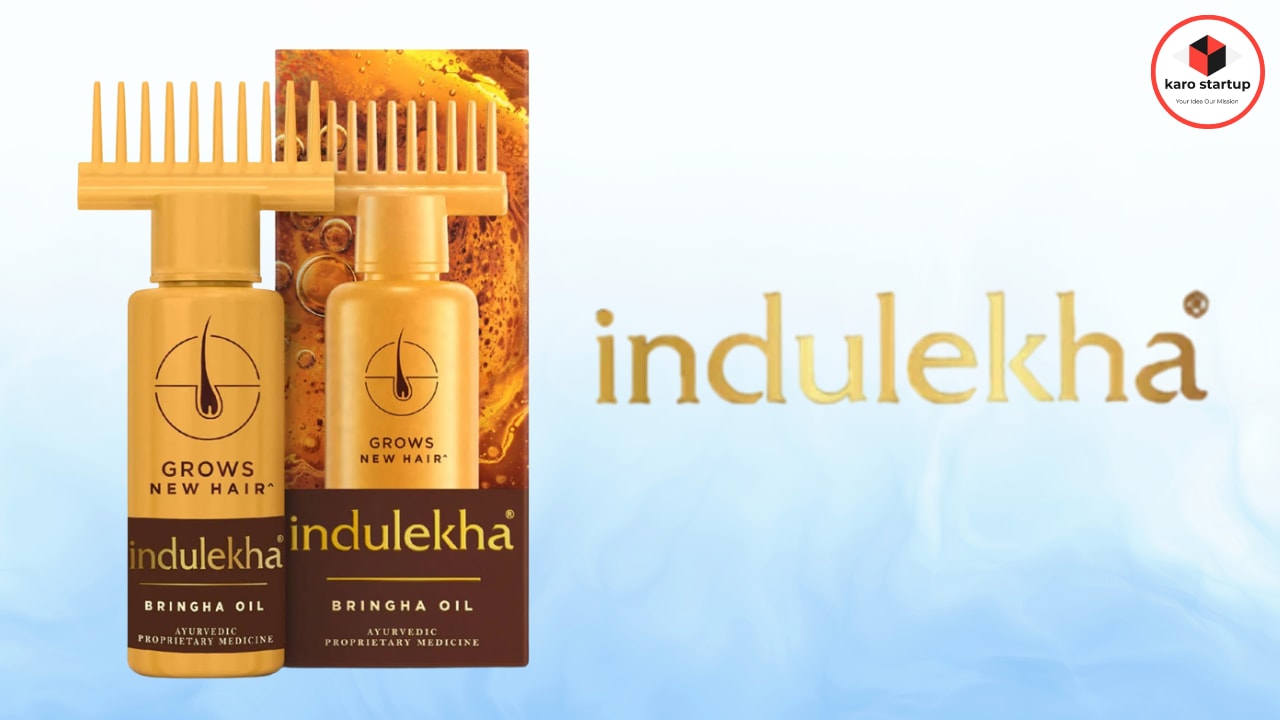
In 2014, Indulekha launched what became known as the “selfie bottle.” Its cap was shaped like a comb, so the oil went straight onto the scalp. No pouring into a palm, no oily hands, no mess.
It was a tiny change. But people noticed, and people talked.
The brand spread from Kerala into Tamil Nadu and Karnataka. By FY15, Indulekha was selling ₹100 crore worth of oil a year, at roughly 30% profit margins, which is rare in hair oil.
The big players were watching.
A private equity fund backed by LVMH took a look, then walked away over price. The owners had reportedly wanted ₹600 crore.
And then, in 2016, the company that had left hair oil a decade earlier came back.
Hindustan Unilever bought Indulekha for ₹330 crore: ₹300 crore upfront, plus 10% of its domestic sales for five years. Business Standard called it a record for any brand ever sold out of Kerala.
The same giant that had decided hair oil wasn’t worth fighting for had just paid a premium to own a piece of it.
What the story teaches
Sometimes the innovation is the bottle, not what’s inside it.
And you don’t need to be in a metro to build a brand a giant wants. Sometimes you only need to look at a crowded shelf and ask what everyone else has stopped questioning.
So, here’s a question to take with you: which everyday product do you think is overdue for a reinvention?
Comment below
Read More Founders' Story
The Chinese Brand That Was Never Chinese: Ching’s Secret Story
The Shop Next to the Gold Lane: How T.S. Kalyanaraman Built Kalyan Jewellers
She Couldn’t Stitch a Button but Built BIBA: Meena Bindra’s Story