The Symbol You've Typed a Thousand Times: The Story of ₹, the Indian Rupee Symbol
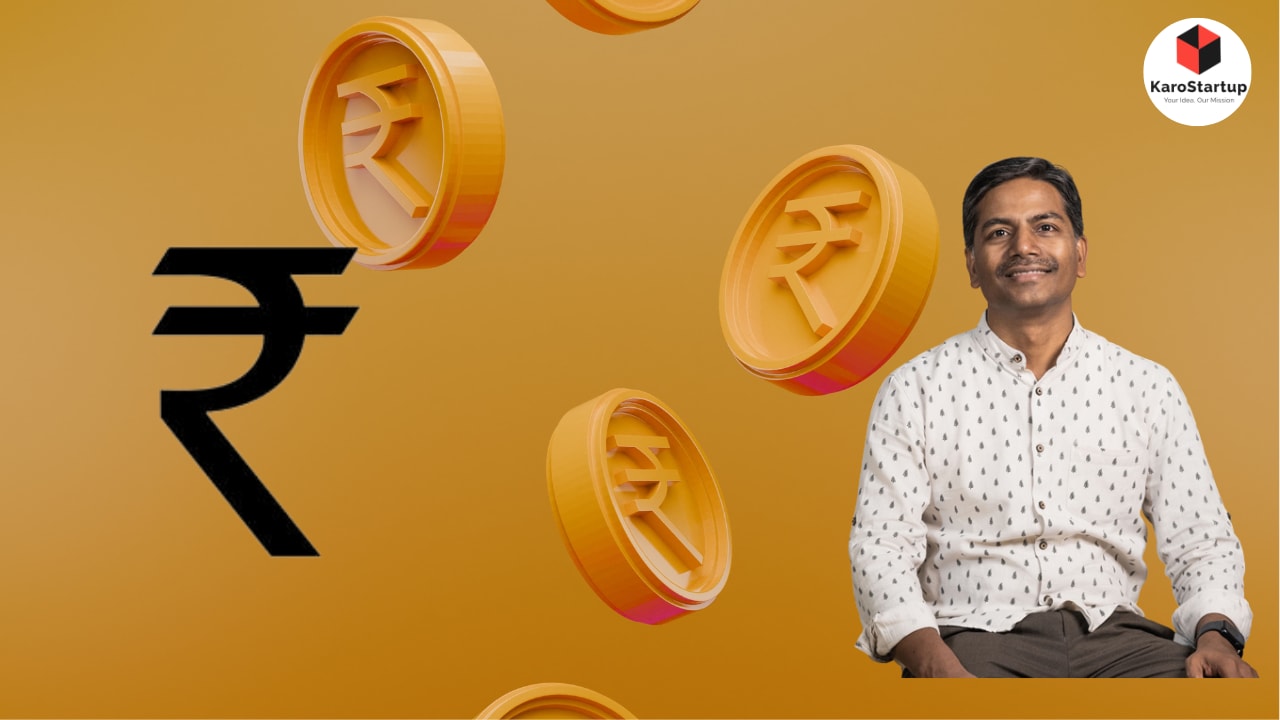
You've typed his work thousands of times. You probably don't know his name.
Picture the last time you paid for something. Maybe it was chai at a roadside stall, steam rising from the glass. Maybe it was a cab ride home at the end of a long day. Your thumb slid across the screen, the amount appeared, and at the very front of the number sat a small character: ₹.
You didn't think about it. Nobody does. It feels as though it has always been there.
But it hasn't.
A Currency Without a Face
Go back to a time before 2010, and you would not find that symbol anywhere. The Indian rupee had no mark of its own. On shop receipts and price lists, it was written the way anyone would write it: "Rs." Or sometimes "INR." Letters, nothing more.
Other currencies had a sign that spoke for them in a single stroke. The rupee had to spell itself out.
So the government decided to change that. It announced a nationwide contest, an open call to design a symbol for the rupee. Designs arrived from across the country, and one by one they were weighed and sorted, until only five remained on the final shortlist.
Five designs. One would become the face of the nation's money.
The Day It Was Decided
On 15 July 2010, the choice was made.
The winning design belonged to a young man named D. Udaya Kumar. He was a designer from Tamil Nadu, born in a village near Tiruvannamalai and raised in North Chennai. He was about 32 years old.
Think about what that moment meant. A designer in his early thirties, from a village and a neighbourhood that much of the country had never given a second thought, had just drawn the mark that would stand beside every rupee in India.
Everywhere, and Nowhere
Then something remarkable happened. The symbol slipped quietly into the fabric of everyday life.
Today, his symbol is on every price tag, every bill and every UPI screen in the country. It waits at the top of the shop-shelf label and at the bottom of the restaurant bill. It appears on the screen in your hand every time you tap "Pay."
And the numbers behind it are staggering. In October 2026, Indians made 25.47 billion UPI payments. On average, more than ₹1 lakh crore moved every single day.
Every one of those payments carried his work.
Yet through all of it, the man himself stayed out of the spotlight. Today, he is a design professor at IIT Guwahati, still shaping ideas, now through the students he teaches.
The Quiet Kind of Power
There is a lesson hiding in this story. Some of the most powerful work in the world is the kind people use every day without knowing who made it.
It doesn't announce itself. It doesn't ask for credit. It simply sits there, on a screen or a tag, and works, millions of times a day.
So the next time your thumb hovers over "Pay," take a second to look at that little symbol. Then ask yourself:
What everyday thing do you use whose creator you'd like to know?