BREAKING
Tonbo Imaging turns profitable with Rs 23.5 crore net profit in Q2 FY27
Operating revenue jumped over 20-fold to Rs 183.3 crore in the company's first quarterly results since listing on stock exchanges.
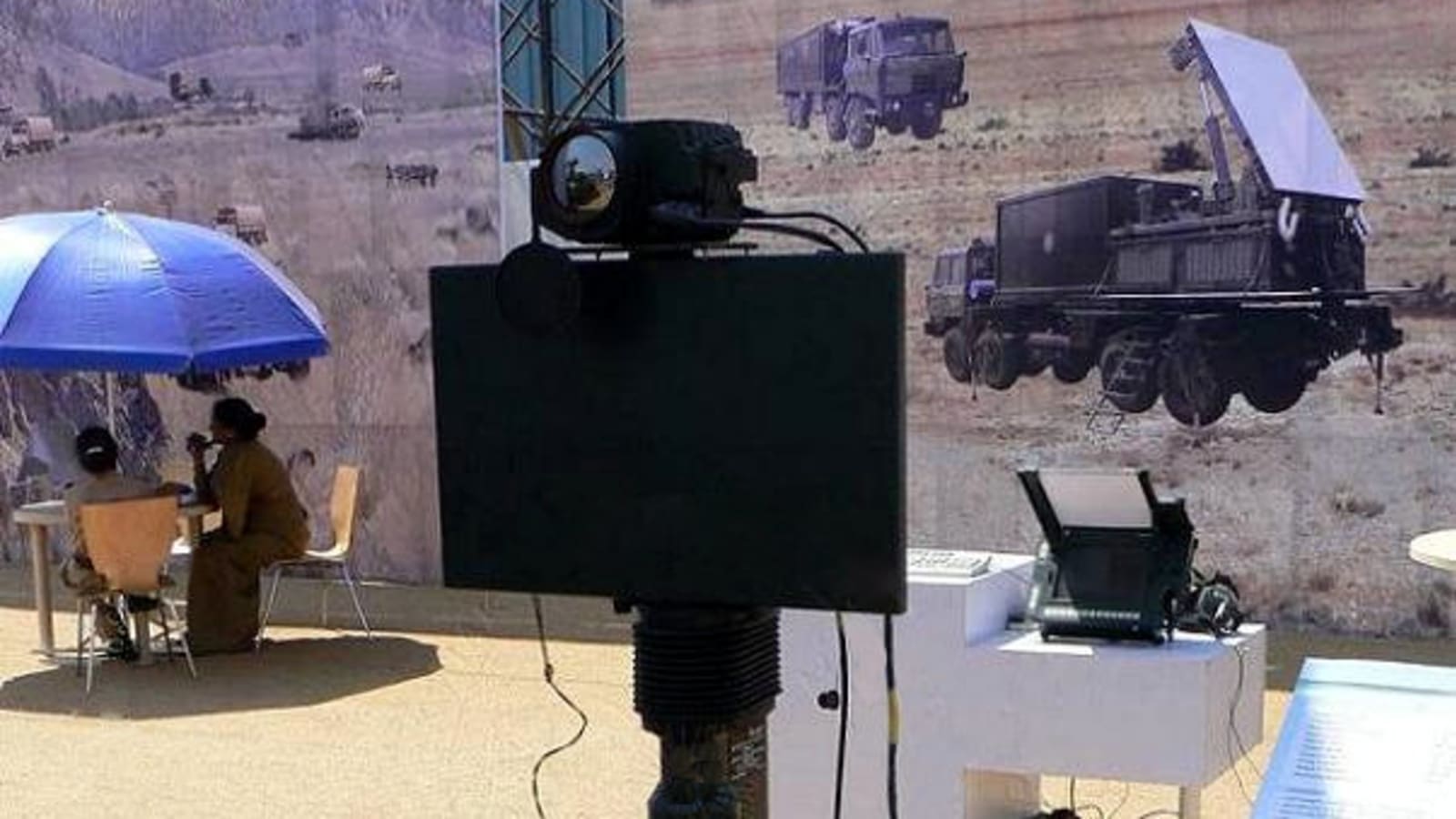
Defence technology maker Tonbo Imaging turned profitable in the second quarter of FY27, reporting a consolidated net profit of Rs 23.5 crore in its maiden quarterly financial results following its public market listing.
According to its quarterly financial statement filed with the National Stock Exchange, the Bengaluru-based company's revenue from operations surged 1,963.3% year-on-year to Rs 183.3 crore for the September quarter of FY27, up from Rs 8.9 crore in the corresponding period last fiscal year.
The performance represents a sharp turnaround from a net loss of Rs 9.6 crore in Q2 FY26. Sequentially, Tonbo Imaging also recovered from a net loss of Rs 17.7 crore in Q1 FY27, while operating revenue expanded 409% from Rs 36 crore in the preceding quarter.
Stock hits 20% upper circuit
Following the announcement of the quarterly numbers, investor demand drove Tonbo Imaging shares up by 20%, hitting the upper circuit at Rs 1,530.3 per share on the stock exchange by 1:10 PM. The rally brought the company's market capitalisation to Rs 8,766 crore.
Total income for the quarter stood at Rs 185.2 crore, which included Rs 1.9 crore in non-operating income. Other income dipped slightly from Rs 2 crore in the same period last year.
Profit before tax reached Rs 31.4 crore in Q2 FY27, reversing a pre-tax loss of Rs 10.7 crore recorded in Q2 FY26.
Raw material costs dominate total spending
As manufacturing and delivery scaled up during the quarter, total expenses increased more than sevenfold to Rs 153.7 crore from Rs 21.6 crore in Q2 FY26. Revenue growth outpaced the surge in expenditure, creating operational leverage that pushed the company into net profitability.
Raw materials constituted the vast majority of operating outlays. The cost of materials consumed reached Rs 120.9 crore, accounting for more than 78% of total quarterly expenses.
Employee benefit costs remained virtually flat year-on-year at approximately Rs 12 crore. Depreciation and amortisation expenses were recorded at Rs 9.8 crore for the quarter, while finance costs came in at Rs 4.8 crore.
Quarterly financial performance
| Metric | Q2 FY26 | Q1 FY27 | Q2 FY27 |
|---|---|---|---|
| Revenue from operations | Rs 8.9 crore | Rs 36.0 crore | Rs 183.3 crore |
| Non-operating income | Rs 2.0 crore | Not disclosed | Rs 1.9 crore |
| Total income | Rs 10.9 crore | Not disclosed | Rs 185.2 crore |
| Total expenses | Rs 21.6 crore | Not disclosed | Rs 153.7 crore |
| Profit before tax | -Rs 10.7 crore | Not disclosed | Rs 31.4 crore |
| Net profit / (loss) | -Rs 9.6 crore | -Rs 17.7 crore | Rs 23.5 crore |
Defence systems portfolio and operations
Founded by Ankit Kumar, Arvind Kondangi Lakshmikumar, and Cecilia D'Souza, Tonbo Imaging builds electro-optics, sensing, and computer vision technology for defence and security hardware.
The company designs and manufactures optical equipment used across surveillance, reconnaissance, and targeting applications. Its product lineup includes thermal imaging systems, weapon sights, handheld thermal imaging binoculars, fire-control systems, and seeker heads for guided missiles.
Why it matters
For deep-tech founders and defence tech operators in India, Tonbo Imaging's quarterly figures offer a concrete data point on how revenue structure behaves once hardware contracts move from prototyping to batch delivery.
Defence hardware businesses often display lumpy revenue patterns due to long procurement cycles and multi-stage delivery milestones. The sharp move from Rs 36 crore in Q1 FY27 to Rs 183.3 crore in Q2 FY27 illustrates the revenue concentration that occurs when major military delivery schedules fall into a single quarter.
For public market investors, the operational metrics show that fixed overheads remained contained while production expanded. With employee expenses flat at Rs 12 crore, incremental gross margin from hardware deliveries dropped straight to the bottom line, delivering a pre-tax profit margin of 16.9% on total income.