UP’s Big Bet on Youth: 10 Lakh New Entrepreneurs in 10 Years with Interest-Free Loans
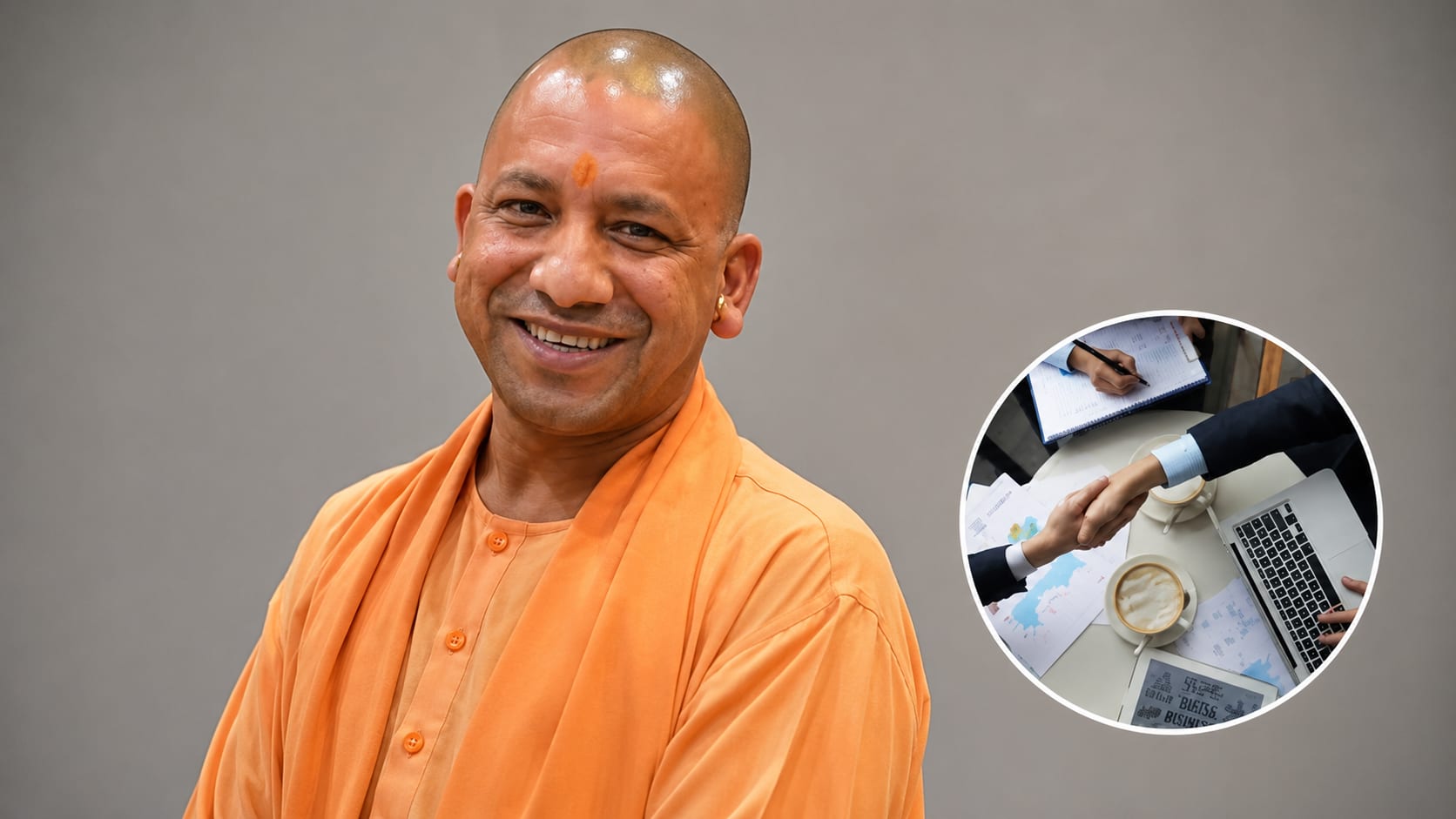
In a significant move to transform Uttar Pradesh into a hub of self-reliance and economic dynamism, Chief Minister Yogi Adityanath has announced an ambitious plan under the Mukhyamantri Yuva Udyami Vikas Abhiyan (MYUVA). The scheme aims to create one lakh new entrepreneurs every year, ultimately nurturing 10 lakh self-reliant entrepreneurs over the next decade.
At the heart of this initiative is a powerful incentive: interest-free and collateral-free loans of up to ₹5 lakh for young people wanting to start their own businesses.
Turning Youth into Job Creators
For decades, Uttar Pradesh’s youth have faced the challenge of limited employment opportunities. Traditional government jobs and private sector roles have not been enough to absorb the massive number of young people entering the workforce every year.
The MYUVA scheme flips the script; instead of focusing only on creating government jobs, the state is empowering youngsters to become job creators themselves.
Under the scheme, eligible youth can access easy financing to launch ventures in manufacturing, services, trading, agri-business, tourism, IT, and other emerging sectors. By removing two of the biggest barriers for first-time entrepreneurs interest burden and collateral requirements the government is making entrepreneurship genuinely accessible.
Key Features of the MYUVA Scheme
- Loan Amount: Up to ₹5 lakh per entrepreneur
- Interest: Completely interest-free
- Collateral: No security or guarantee required
- Target: 1 lakh new entrepreneurs annually, scaling to 10 lakh in 10 years
- Focus: Youngsters across urban and rural areas, with emphasis on skill development and hand-holding support
The government is also expected to provide mentoring, training, market linkage support, and simplified regulatory processes to ensure these new ventures don’t just start but actually thrive.
What the Scheme Actually Offers
At its core, MYUVA provides interest-free, collateral-free, guarantee-free loans of up to ₹5 lakh to set up new micro-enterprises in the manufacturing, service, and trade sectors. For entrepreneurs who repay their first loan successfully, the scheme opens the door to a second phase of financing, potentially taking total support up to ₹10–20 lakh with partial interest subsidy built in.
There's also a margin-money subsidy, a state contribution toward the total project cost that reduces how much the entrepreneur needs to put up personally, along with support for preparing project reports, business training, and mentorship through District Industries Promotion and Entrepreneurship Development Centres.
Eligibility is deliberately kept wide: applicants must be between 21 and 40 years old, and while a minimum of Class 8 education is required, those with higher qualifications, including intermediate (Class 12) pass-outs, get preference. Priority categories include unemployed youth, women, and applicants from Scheduled Castes, Scheduled Tribes, Other Backward Classes, minorities, and persons with disabilities, reflecting an attempt to make the benefits reach beyond the state's urban, already-networked youth.
Why This Matters for UP's Economy
Uttar Pradesh has long grappled with a mismatch between its young, growing workforce and the number of formal jobs the state economy can generate. A scheme like MYUVA is a direct response to that mismatch. Instead of trying to create 10 lakh government jobs, the state is trying to create 10 lakh employers, each of whom, in theory, goes on to hire others.
The interest-free structure is the scheme's biggest differentiator from older self-employment loan programmes, which often left first-generation entrepreneurs saddled with debt servicing costs before their businesses had even found their feet. By removing that burden in the crucial early years loans typically come with a moratorium period before repayments begin, followed by a multi-year repayment window tied to business cash flow MYUVA is trying to lower the real risk of failure for someone starting out with little more than a skill and an idea.
Whether the state can sustain one lakh new, viable businesses every year for a full decade remains the real test. Loan disbursement is one thing; building durable, income-generating enterprises across UP's districts, many with limited market access and infrastructure, is another. But the direction of intent is clear: Uttar Pradesh wants its economic story for the next 10 years to be written by its youth, one small business at a time.