Yulu Secures $93 Million in Fresh Funding to Power India’s EV Future
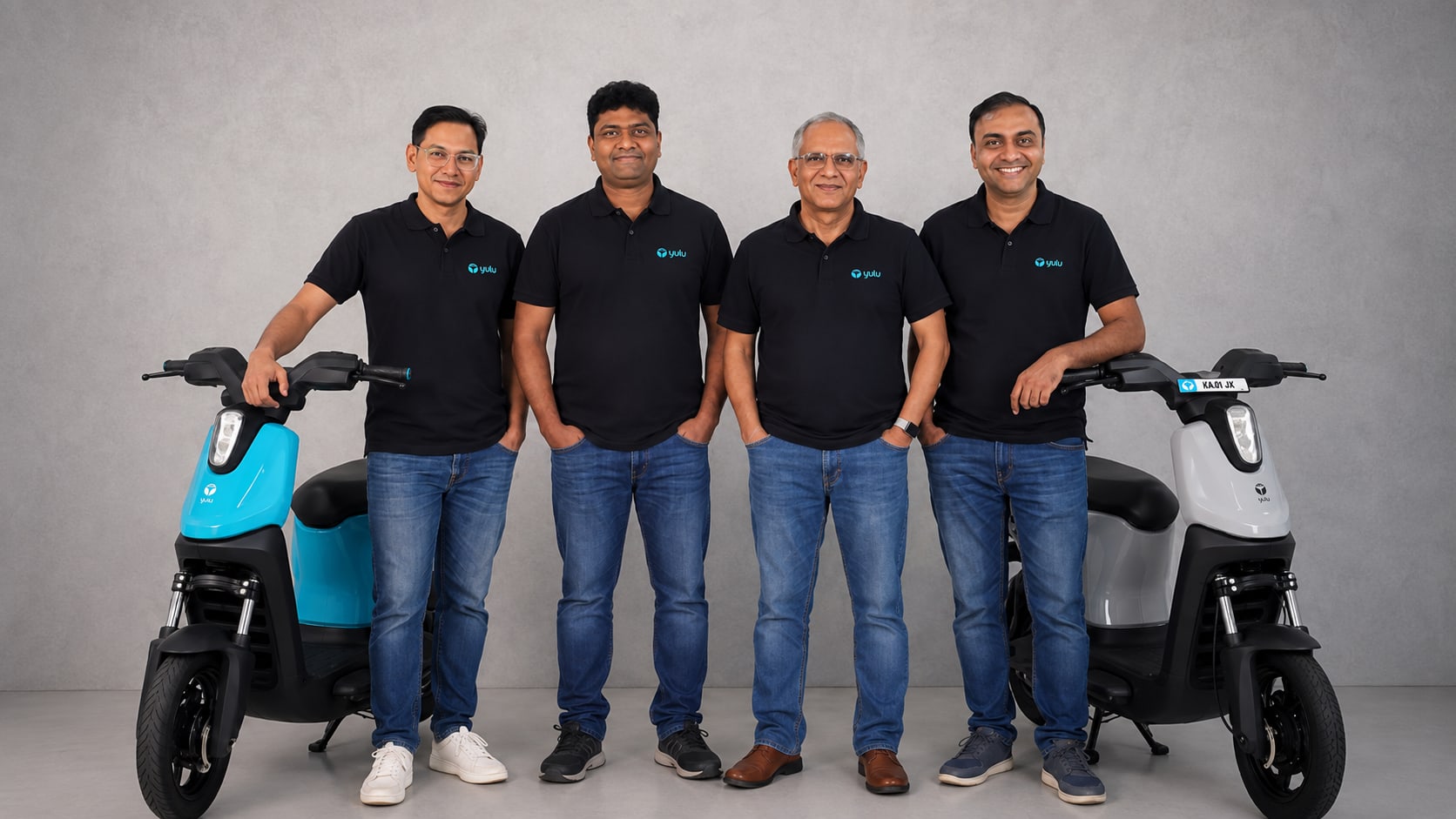
In one of the more significant funding moments among recent Indian startup stories, electric mobility-as-a-service (MaaS) platform Yulu has raised $93 million in a Series C round. The capital comprises $63 million in equity led by GEF Capital Partners and $30 million in debt.
The Bengaluru-based company had earlier raised $19.25 million (about Rs 160 crore) from existing investors Magna and Bajaj Auto in February 2024. It also secured $82 million in a Series B round in September 2022 and $3 million in debt financing in January 2022. The latest raise adds another high-profile data point to the growing collection of startup stories in India’s electric mobility sector.
Scaling the Fleet and Expanding Use Cases
Yulu plans to use the fresh capital to quadruple its active fleet to 200,000 electric vehicles over the next two years, expand into new urban mobility use cases, and support preparations for a potential public market listing. The company currently operates across 12 primary metros and eight franchise-operated regional markets.
Founded in 2017 by Amit Gupta, Anuj Tewari, RK Misra and Naveen Dachuri, Yulu runs a technology-enabled fleet of electric two-wheelers for urban mobility and last-mile delivery. Its current fleet stands at around 50,000 vehicles, with plans to expand presence to about 20 cities over the next year.
According to the company, its vehicles cover 2.5 million zero-emission kilometres and facilitate more than 750,000 doorstep deliveries every day. Yulu claims its fleet supports more than 15% of quick-commerce deliveries across India’s top four metropolitan centres, figures that position it as one of the more operationally scaled startup stories in the last-mile electric segment.
Entering Higher-Payload Mobility
Yulu also intends to enter adjacent intra-city mobility segments with Yulu Express, a full-sized, high-payload electric scooter designed for ecommerce logistics, bike taxis and express parcel delivery. Around one-third of its planned 200,000-vehicle fleet is expected to comprise this new model. The move reflects a broader pattern seen in successful startup stories: using an established base of operations to expand into higher-value or adjacent use cases.
Improving Financial Trajectory
Yulu nearly doubled its operating revenue to Rs 237.4 crore in FY25 from Rs 120 crore in FY24, while its net loss declined 12% to Rs 126 crore. The company has reported positive EBITDA since April 2025 and stated that revenue grew sevenfold between FY23 and FY26. The combination of rising revenue and improving operating metrics strengthens its position among the more closely watched startup stories preparing for larger growth capital and, eventually, public markets.
The Broader MaaS Landscape
The mobility-as-a-service segment spans last-mile delivery, employee transportation, urban commuting, EV rentals and fleet electrification. Startups in this space typically combine software, fleet management and charging infrastructure to improve vehicle utilisation and lower operating costs.
Other funded players include Zypp Electric, which offers EV-as-a-service for last-mile deliveries and has raised capital from Gogoro and ENEOS; Alt Mobility, an EV leasing and MaaS platform for commercial fleets that raised $6 million in 2024; and Lithium Urban Technologies, which provides zero-emission corporate transportation. SmartE focuses on electric auto-rickshaws for first- and last-mile connectivity, while BluSmart built an electric ride-hailing and charging network before suspending its ride-hailing operations in 2025.
These parallel developments illustrate how multiple models continue to generate distinct startup stories within the wider electric mobility ecosystem.
Looking Ahead
With the new $93 million, Yulu is positioned to accelerate fleet expansion, deepen its role in quick-commerce and logistics, and test higher-payload formats through Yulu Express. The stated interest in a potential public listing also signals longer-term ambitions that could turn this into one of the more closely followed startup stories in the sector over the next few years.
As India’s cities continue to demand cleaner, more efficient last-mile solutions, platforms that can scale electric fleets while improving unit economics will remain central to the narrative. Yulu’s latest raise keeps it firmly in that conversation, another substantial chapter in the ongoing series of electric mobility startup stories shaping urban transport in India.