Funding , Exclusive
Beyond 10-Minute Delivery: How Zepto Secured ₹1,000 Crore to Fight the Quick-Commerce War
While critics claimed 10-minute delivery was unsustainable, Zepto raised ₹1,000 Crore at a $4.5 Billion valuation ahead of its public debut.
No global VC monopoly. No endless cash burn without scale. Just massive local expansion.
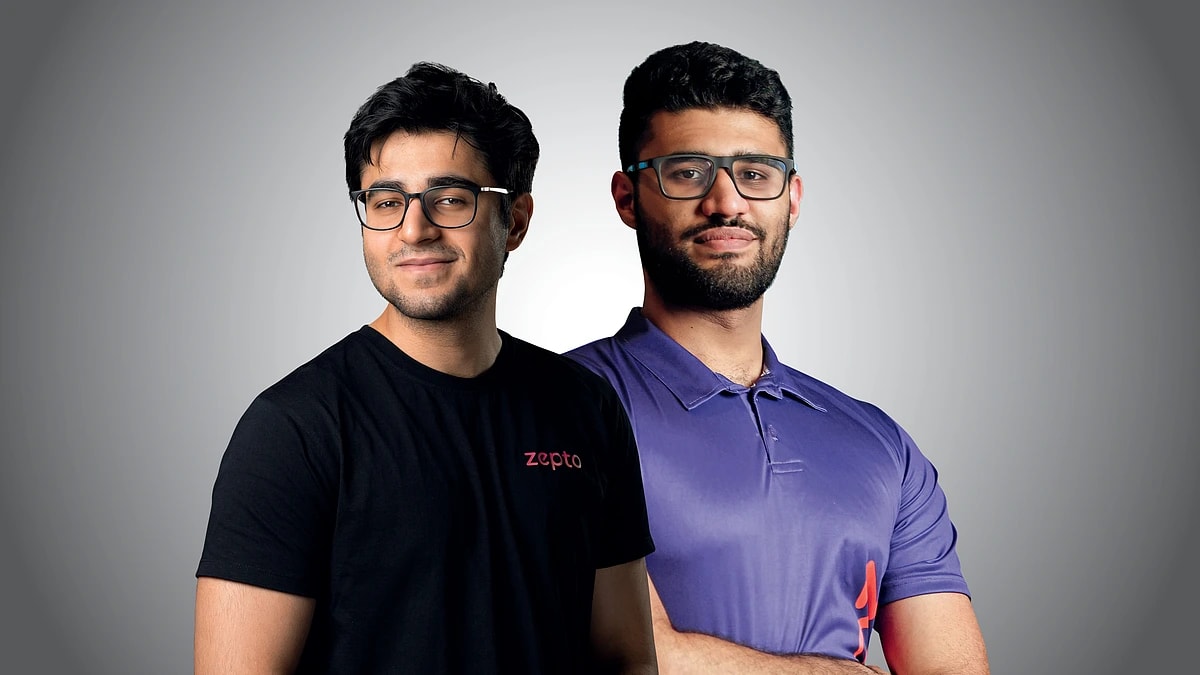
When two 19-year-old Stanford dropouts, Aadit Palicha and Kaivalya Vohra, launched Zepto, legacy grocery players insisted 10-minute delivery was an impossible gimmick. Today, Zepto isn't just surviving—it's executing a colossal ₹1,000 Crore pre-IPO funding round at a valuation of $4.5 Billion.
What makes this funding story incredible is the investor profile: instead of relying purely on foreign venture funds, Indian domestic mutual funds and local wealth managers are driving this round ahead of their public stock listing.
The Zepto Funding Snapshot
Pre-IPO Round Size: ₹1,000 Crore
Target Valuation: $4.5 Billion
Key Focus: Dark store density, micro-fulfillment automation, and non-grocery category expansion
Market Rivalry: Battling Swiggy Instamart and Zomato’s Blinkit for quick-commerce market share
3 Reasons Investors Are Pouring Billions into Quick Commerce
1. High-Density Dark Stores Are Unlocking Profitability Quick commerce isn't about speeding drivers—it's about neighborhood warehousing. By packing hyper-local dark stores within 2–3 kilometers of densely populated urban areas, Zepto reduced fulfillment times while drastically boosting order volume per store.
2. Average Order Value (AOV) Is Surging Zepto stopped being just a "milk and bread" app. Consumers are now buying electronics, apparel, kitchen appliances, and beauty products via 10-minute delivery, driving up cart sizes and profit margins on every order.
3. The Pre-IPO Local Investor Boom Indian institutional funds want direct exposure to domestic tech unicorns before they hit the stock exchanges. Getting local wealth on the cap table gives startups stronger market stability when transitioning from private funding to a public listing.
The Bottom Line for Indian Founders
Executing a high-burn business model requires relentless operational discipline. If your unit economics improve alongside scale, the market will back you with hundreds of millions—all the way to the IPO bell.
What do you think? Will quick commerce replace traditional Kirana stores and hypermarkets entirely, or will the hype cool down? Let us know in the comments below!