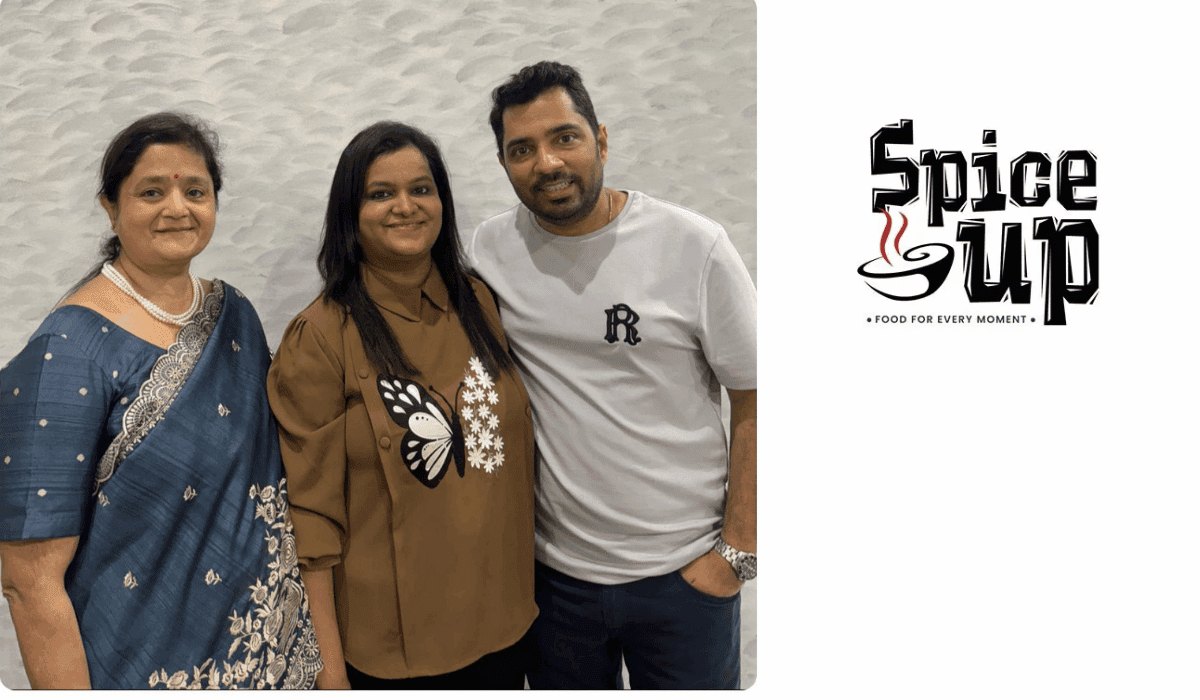
• Spice Up Foods was founded in 2024 by Amit Murarka , Shalu Murarka, and Madhu Goel after experiencing firsthand how difficult it was to find comforting vegetarian Indian meals while living, studying, and travelling away from home
• Instead of creating regular packaged food, the founders focused on ready-to-eat Indian meals that could stay fresh for months while still tasting close to homemade “ghar ka khana” using freeze-drying technology
• What started as an emotional idea to make people feel closer to home slowly became a modern Indian food brand built around comfort, familiarity, and convenience for busy lifestyles and people living away from their families
A few years ago, quick food options in India mostly meant the same things: instant noodles, frozen snacks, burgers, fries, or expensive daily food delivery. These options were fast, but after some time, people started missing proper meals. Especially students living in hostels, office workers returning home late, and young professionals shifting to new cities for jobs. Cooking every single day felt exhausting, but eating unhealthy outside food regularly also did not feel sustainable.
Still, one thing never changed: people always craved familiar Indian food after a tiring day. Simple dal chawal, chole, sambhar, and comforting homemade flavours still felt emotionally connected to daily life. That is where the idea behind Spice Up slowly started taking shape. The founders realised people were not looking for luxury dining experiences every day. Most people simply wanted meals that were quick, filling, affordable, and familiar enough to remind them of home.
The people behind Spice Up noticed something very practical about changing lifestyles in India. Everyone wanted convenience, but very few brands were solving convenience properly for Indian eating habits. Western-style instant food had already become common, but proper Indian ready-to-eat meals still felt limited. Either the products lacked taste, felt overly processed, or did not feel satisfying enough to replace an actual meal.
That gap slowly became an opportunity.
Instead of creating complicated food products or introducing completely new flavours, Spice Up focused on meals people already loved eating regularly. Punjabi Chole, Dal Makhni Chawal, Yellow Dal Tadka, and Idli Sambar were not unfamiliar dishes. They were comfort meals already present in millions of Indian homes. The company simply asked one important question: what if these meals could become faster and easier for modern schedules?
That simple thought became the foundation of the brand.
One reason Spice Up immediately felt relatable was that consumers instantly understood the products. There was no confusion about flavours or ingredients. The meals already felt emotionally familiar because people had grown up eating them. And honestly, that mattered a lot. Because after long workdays, exhausting college schedules, travelling, or stressful routines, most people are not looking for experimental food. They want something comforting and filling without spending hours in the kitchen.
Spice Up entered exactly in that space.
The products gave consumers a quicker way to enjoy familiar Indian meals without completely disconnecting from the taste they were already used to. That balance between convenience and familiarity became one of the biggest reasons people started connecting with the brand.
The timing of Spice Up also worked strongly in its favour because lifestyles across India were changing very quickly. More students started moving away from home for studies. Young professionals shifted cities for work opportunities. Corporate jobs became more hectic, and cooking full meals daily became difficult for many people.
At the same time, ordering food online every single day also started becoming expensive and unhealthy for regular use. People wanted something in between. Something easier than cooking from scratch but more satisfying than random snacks or junk food. That is where Spice Up naturally started fitting into people’s routines. Someone bought it during exams. Someone kept it in their office drawer for busy days. Someone relied on it while living alone for the first time in a new city. And slowly, the products became part of daily life for many consumers. That practicality helped the brand grow much more naturally because the products solved a real, everyday problem people were already facing.
Another thing that helped Spice Up stand out was its packaging. Most ready-to-eat food brands earlier looked either too plain or too serious. But Spice Up used bright colours, bold fonts, and energetic designs that immediately grabbed attention online and in stores. At the same time, the packaging stayed simple enough for consumers to instantly understand what they were buying. That simplicity matters more than people realise. Because when someone is hungry, tired, or shopping quickly, they usually prefer food products that already feel familiar and easy to understand. Spice Up kept that emotional familiarity very strong while still making the products look modern and youthful.
Unlike many food brands that depend heavily on trends or viral marketing, Spice Up slowly became useful in people’s daily routines. And once products become useful, growth starts happening naturally. One person recommends it to a roommate. Someone carries it while travelling. Someone keeps it at home for emergencies or late-night cravings. That kind of growth feels quieter in the beginning, but it becomes stronger over time because it is built around actual usage instead of only advertising. As India’s convenience-food market continued growing, Spice Up slowly became more visible among younger consumers looking for practical meal solutions that still felt connected to Indian taste preferences.
And that helped the company slowly build its own identity in the growing ready-to-eat food market.
Today, Spice Up is becoming part of India’s growing convenience-food culture. But the real reason behind its connection with consumers is actually very simple. The company understood that people were not only searching for “fast food.” They were searching for familiar food made faster. That emotional difference matters a lot because no matter how busy life becomes, people still feel comforted by meals that remind them of home, routine, and familiarity. Spice Up built itself around that understanding.
Not luxury dining, not complicated gourmet ideas. Just simple Indian comfort food made easier for modern life. And sometimes, solving everyday problems in simple ways is exactly what helps brands quietly become part of people’s lives.
Quick Share