BREAKING
altM raises $10.3 million to scale agricultural residue chemical manufacturing
The Bengaluru startup will use the capital to build a 1,000-tonne commercial plant by 2028 and scale its BPC chemical line.
Cleantech startup altM has raised $10.3 million (Rs 97.5 crore) in a Series A funding round led by new investors Rainmatter by Zerodha and Mela Ventures to expand its manufacturing operations and launch its first commercial products. Existing investors Omnivore, Theia Ventures, Aureolis Ventures, and Spectrum Impact also joined the round, the Bengaluru-based company confirmed. The startup did not disclose its valuation for the transaction.
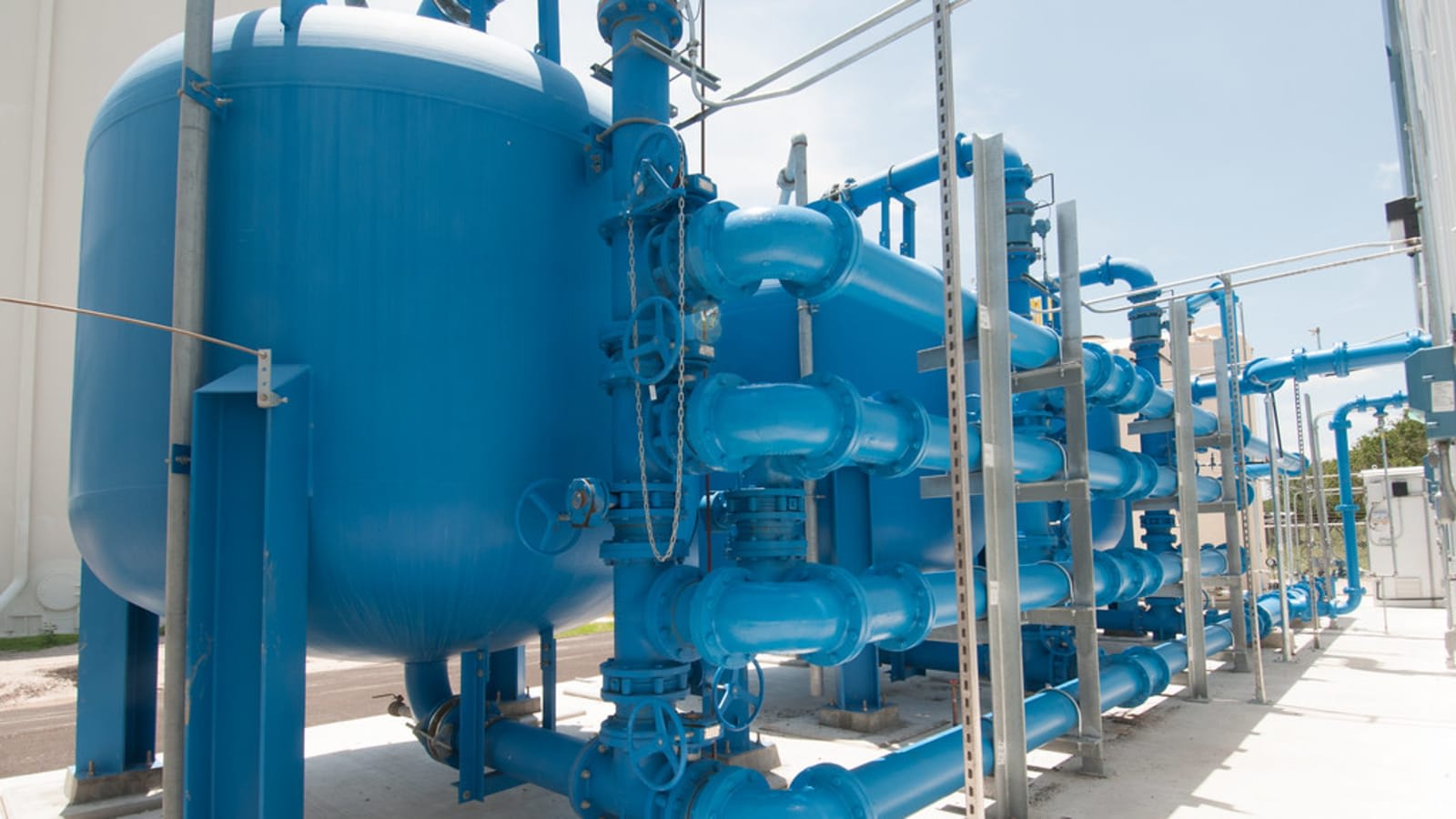
The fresh funding comes nearly three years after altM raised $3.5 million in a seed round in 2023. A significant portion of the new capital will be directed towards establishing a 1,000-tonne-per-year commercial manufacturing plant by 2028. In the immediate term, the company is preparing to start commercial production at its 70-tonne-per-year pilot facility in Electronic City, Bengaluru, which completed installation earlier this year and is currently undergoing certification and validation.
"We have three large focus areas for the company today. In the short term, we want to start converting revenues and building our sales pipeline from the pilot plant. From a manufacturing perspective, a large chunk of our investment will go into building the next 1,000-tonne-per-year commercial plant," cofounder and chief executive Apoorv Garg said. The company plans to focus heavily on hiring for its sales team to support revenue generation, he added.
Why it matters for founders and investors
For cleantech and deeptech founders in India, altM's capital raise reflects growing investor support for asset-heavy, hardware-oriented manufacturing models when backed by intellectual property and targeted initial markets. Rather than building generic biochemical platforms without immediate buyers, altM targeted the beauty and personal care (BPC) market first, where cosmetic brands face consumer and regulatory pressure to replace petroleum-derived inputs with plant-based alternatives.
For early-stage investors, the round highlights how venture capital firm Rainmatter and Mela Ventures are backing startups that convert agricultural waste—such as sugarcane bagasse and rice straw—into high-value specialty chemicals. By using all major components of crop residues (cellulose, hemicellulose, and lignin) through a single feedstock process, altM aims to offer unit economics capable of competing directly with fossil-derived raw materials.
What altM does and its product roadmap
Founded in 2022 by former Tesla executives Apoorv Garg and Yugal Raj Jain, altM develops specialty chemicals and biomaterials from agricultural waste. Its proprietary deconstruction technology processes crop residues to extract core polymers, which are subsequently upgraded into functional molecules for various industrial applications.
The company's initial commercial releases target the cosmetics and personal care sector. Its first three products moving to commercialisation are a lignin-derived sun protection factor (SPF) booster for suncare products, a cellulose-based rheology modifier, and bio-derived ferulic acid. While BPC remains its short-term commercial focus, altM is actively developing R&D pipelines for construction, electronics, automotive, polymers, textiles, packaging, consumer goods, and battery materials.
Manufacturing pipeline and growth trajectory
Since its 2023 seed round, altM has expanded its laboratory footprint in Bengaluru by nearly five times, consolidating research, demonstration manufacturing, and pilot production under one roof. The startup has conducted more than 15,000 laboratory reactions and translated over 500 of them to demonstration scale, shortening molecule development timelines from 12–15 months to under six months.
The company has installed a 70-tonne-per-year pilot plant in Bengaluru's Electronic City, which Garg noted finished installation in 2026 after work began in late 2025. "It's still in pre-production, and we're getting the right certifications and validations to take it to production this month," Garg said. The company expects to fulfill purchase orders in the current quarter, followed by formal product launches next quarter.
altM aims to fully sell out the capacity of its Electronic City pilot plant by the first quarter of FY28. Over the next five years, the startup plans to scale its manufacturing infrastructure to 10,000 tonnes per year. Depending on the product mix and specific molecules produced at scale, altM projects this capacity could generate between $100 million and $200 million in annual revenue.
Round details and operational capacity
The table below sets out altM's fundraising history and operational metrics based on disclosures by the company:
| Parameter | Details |
|---|---|
| Series A funding | $10.3 million (Rs 97.5 crore) |
| Seed funding (2023) | $3.5 million |
| Lead investors | Rainmatter, Mela Ventures |
| Existing investors | Omnivore, Theia Ventures, Aureolis Ventures, Spectrum Impact |
| Current pilot plant capacity | 70 tonnes per year |
| Target commercial plant (2028) | 1,000 tonnes per year |
| Five-year capacity target | 10,000 tonnes per year |
| Indian patents filed | 6 filed, 1 pending |
Commercial ties and intellectual property
altM currently works with nearly 30 beauty and personal care clients at various stages of product formulation, testing, and validation. Between 16 and 18 of these customers are currently in active testing phases, according to Garg.
To protect its technology, altM has filed six patents in India covering its biomass deconstruction process and upgrading techniques for individual molecules. The startup is preparing a seventh Indian patent application and intends to file international patents as it prepares to enter global markets.
What happens next
With validation and regulatory certifications concluding, altM expects its Electronic City pilot facility to transition from pre-production to active manufacturing before the end of the month. Order fulfillment will begin during the current quarter, with full-scale consumer product launches scheduled for the following quarter. Over the next two years, the team's engineering focus will center on site selection and engineering design for its planned 1,000-tonne commercial plant ahead of its 2028 operational target.