Dr. Jathin Addresses Common Myths and Misconceptions About Varicose Veins
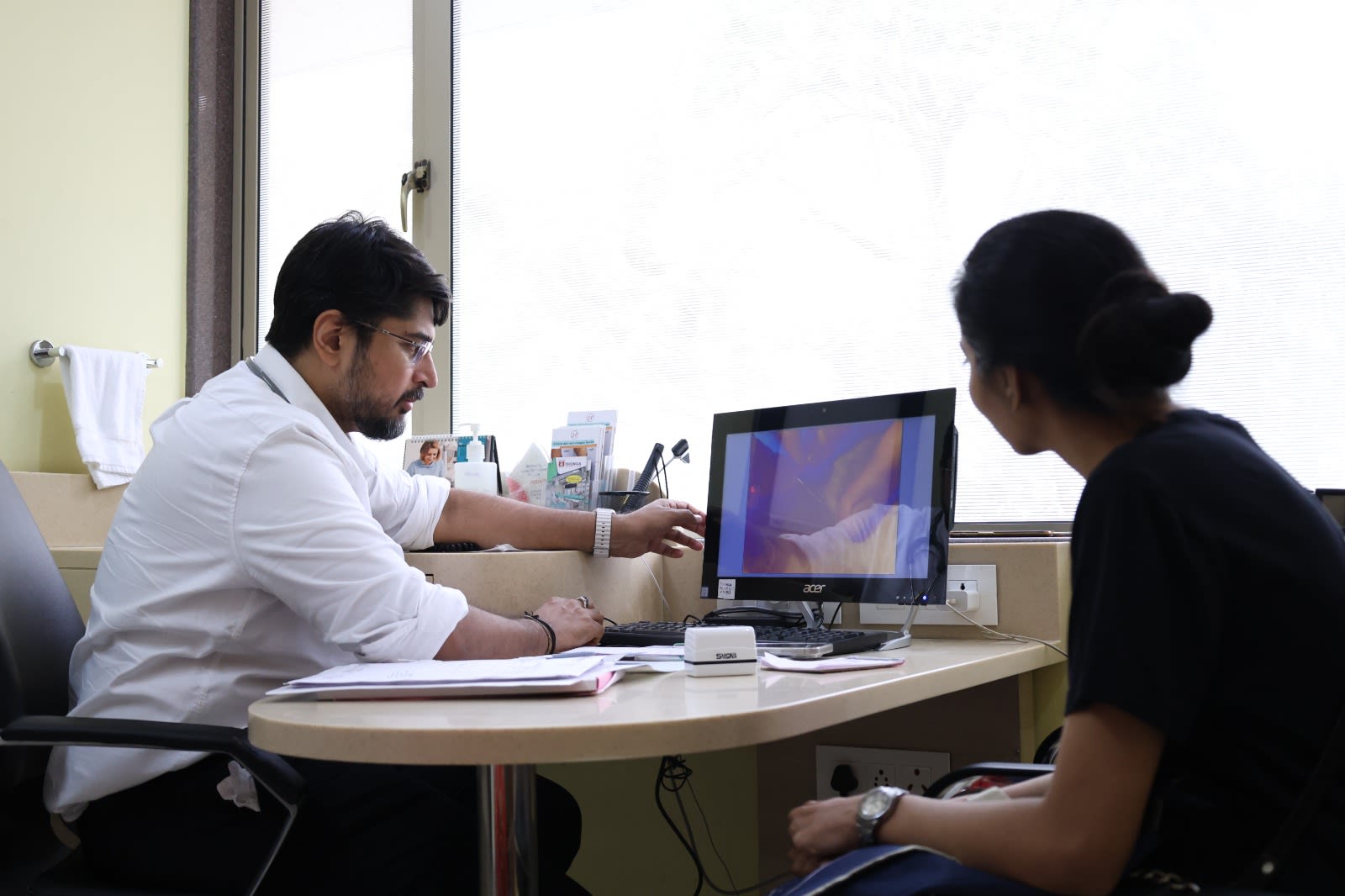
One of the most prevalent vascular diseases among millions of people around the globe is varicose veins. However, there are a host of myths and misconceptions about the illness that continue to abound and result in people not visiting an ophthalmologist for timely diagnosis and treatment. Misconceptions about varicose veins can cause patients to delay treatment, making the condition worse and causing undue stress, says Dr. Jathin, one of the top vascular and endovascular surgeons.
By educating and raising awareness, Dr. Jathin is helping to alleviate the confusion between fact and fiction and better educate people on the reality of living with and treating varicose veins. He hopes to help people to take their vascular health more seriously and to receive professional advice if they have symptoms.
Understanding Varicose Veins
Varicose veins are swollen veiny veins that can be found commonly in the legs and feet. They occur when valves in the veins lose strength or are damaged, causing blood flow to be less efficient. The veins become dilated, and appear through the skin as blood backs up into the vein.
For many, varicose veins are a cosmetic problem, but they can cause symptoms including leg heaviness, aching, swelling, itching, burning sensations, night cramps and fatigue. If left untreated, in severe cases, the varicose veins can cause skin changes, ulcerations, or other circulatory issues.
Patients interested in learning more about the causes, symptoms and treatments available can visit the official website of Dr. Jathin's Vein Center at https://drjathinsveincenter.com/.
Myth 1: Varicose Veins Are Only a Cosmetic Problem
A lot of people think that varicose veins are just a cosmetic issue. Although the veins usually can be seen, it can make people feel less confident about their appearance, but it can result in more serious problems.
According to Dr. Jathin, varicose veins are a medical condition which is caused due to venous insufficiency. The cause is poor blood flow, which can get progressively worse over time if left untreated. Discomfort, swelling and chronic pain can really interfere with a person's life.
Leaving varicose veins untreated and assuming they are insignificant may lead the condition to worsen, and the risk of complications can increase with the passage of time.
Myth 2: Only Women Develop Varicose Veins
While women are more prone to developing varicose veins because of the hormonal shifts during pregnancy, menopause and other phases of life, men aren't spared of the condition either.
Many of the male patients miss the treatment because they feel varicose veins is a problem only for women, says Dr. Jathin. In fact, there are a large number of cases of varicose veins in men. Varicose veins can happen in both men and women and may be caused by genetics, extended standing, obesity, age and a lack of exercise.
Increased awareness among men is especially crucial since the disease may progress further if it is not diagnosed on time.
Myth 3: Crossing Your Legs Causes Varicose Veins
It is well known that crossing legs causes varicose veins. Unfortunately, there is not much medical evidence to back this belief up.
While crossing the legs can put additional pressure on the veins, this is not directly responsible for causing varicose veins, according to Dr. Jathin. Family history, age, hormones, prolonged standing or sitting, obesity and pregnancy are the main risk factors.
Patients do need to keep their circulation healthy, but they should concentrate on dealing with true risk factors and not be concerned about crossing their legs every now and then.
Myth 4: Exercise Makes Varicose Veins Worse
The other false belief is that exercise makes varicella worse. Indeed, physical activity is a common part of a healthy lifestyle for persons with venous disease.
Walking, swimming, cycling and other low impact exercises promotes blood flow and tones the calf muscles which are important in moving blood towards the heart. Improved blood flow may alleviate symptoms like swelling and discomfort.
Dr. Jathin recommends patients keep active, and then consult with their vascular specialist about the appropriate exercise program for their circumstances.
Myth 5: Surgery Is the Only Treatment Option
A lot of people still think of varicose vein treatment as being an invasive procedure and that it will take a long time to recover from the treatment. But today the treatment picture has changed with the advent of modern vascular medicine.
There are even some very modern and less invasive treatments available today which can be done with very little discomfort and little to no downtime. Endovenous laser treatment, radiofrequency ablation, and ultrasound-guided techniques make the treatment safer, faster and more effective than ever.
Dr. Jathin's Vein Center is interested in helping patients understand their options for vein treatment and the benefits of state-of-the-art technology at https://drjathinsveincenter.com/.
Myth 6: Varicose Veins Always Return After Treatment
Some people can't have the procedure performed because they think varicose veins are something they are destined to get again. Although there is no medicine that can ensure that veins will not develop again, it is possible to have a very successful result with modern treatments.
Dr. Jathin states that after treatment veins will not return. Venous disease can, however, be genetically influenced and by lifestyle factors new varicose veins can develop over time. Future risks can be minimised with regular follow up, healthy lifestyle, weight management and physical activity.
Early intervention is likely to yield the most positive results and can help halt disease progression.
The Importance of Early Diagnosis
Dr. Jathin stresses on early evaluation as one of the key messages. Symptoms like tired, swollen, aching legs or the appearance of veins are often considered as a minor problem. But some of these symptoms may be signs of underlying venous problems and should be evaluated by a professional.
It is important to diagnose this condition early on, so that specialists can determine the level of severity and provide the right treatments before complications arise. Today's diagnostic techniques, such as vascular ultrasound exams, give detailed information about vein function and blood flow.
If symptoms appear, it's important to seek expert advice at the earliest opportunity to ensure a better treatment outcome and enhance a person's quality of life.
Promoting Awareness and Better Vascular Health
Promoting Awareness and Better Vascular Health
Education is a powerful weapon in the fight against misinformation on varicella veins. Dr. Jathin is continuing to break down any misconceptions and provide evidence-based information to help patients make informed decisions.
Varicose veins are a medical condition and not something to be taken lightly. Knowing the facts can help people identify signs early on, learn about some of the latest treatments available and take action to keep their circulation healthy.
More patients are becoming aware of effective, minimally invasive treatment options, and living with a knee that is less painful and more functional and comfortable. Continuous education and top-tier care, Dr. Jathin is dedicated to promoting better vascular care and dispelling the misunderstandings that can prevent patients from seeking timely treatment.