How Tiramisu Is Building Demi-Fine Jewellery for Everyday Wear
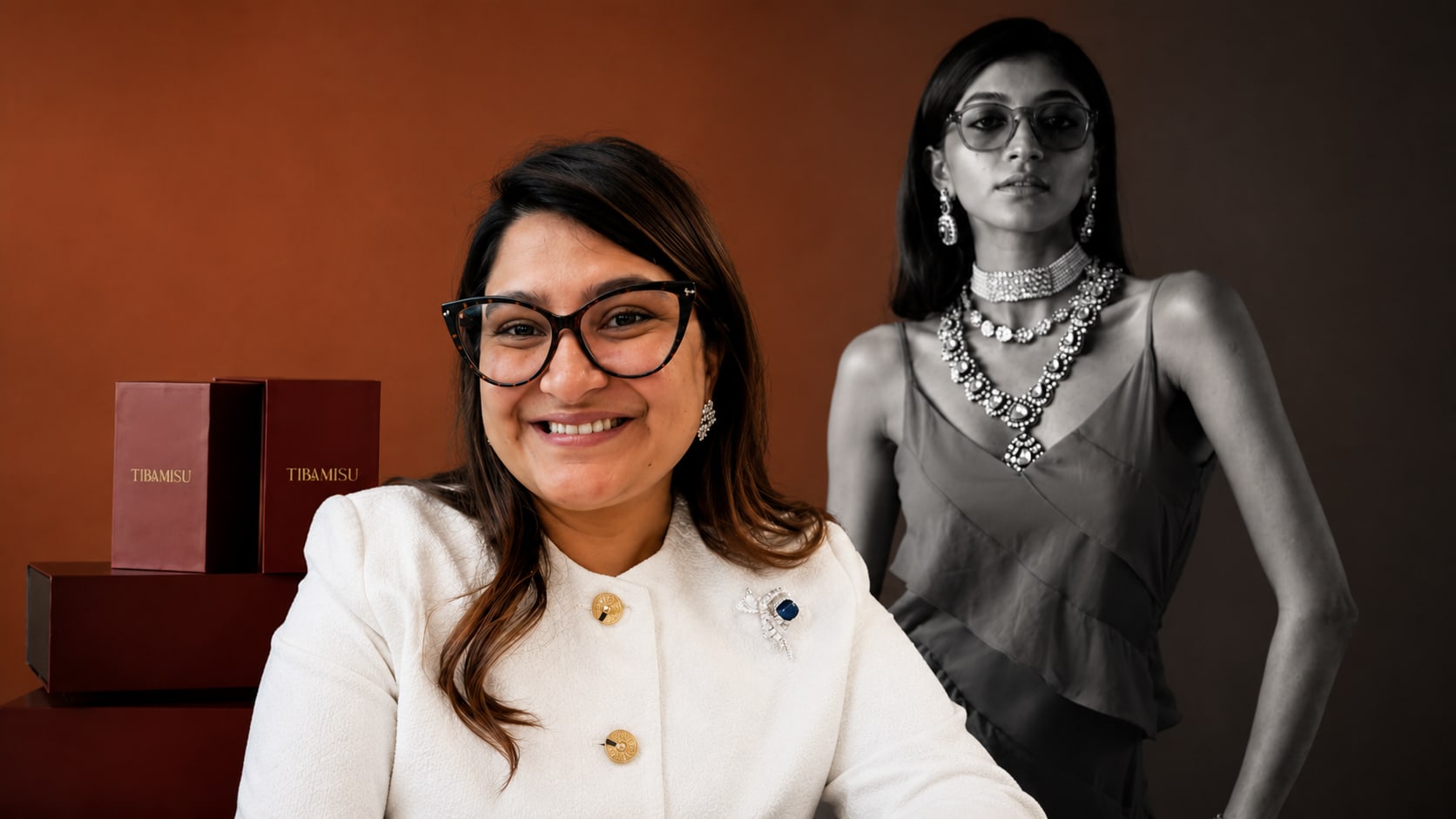
Indian jewellery has long had a gap in the middle. On one side sits fine jewellery in solid gold—pieces bought as much for investment as for adornment, often locked away for special occasions. On the other side is costume jewellery that loses its finish within a season. Between these two extremes there has been relatively little: jewellery that is properly made, comfortable enough for an ordinary Tuesday, and priced so that owning several pieces feels reasonable rather than extravagant.
Western markets filled that space years ago with the rise of demi-fine jewellery. India moved more slowly. Gold occupies a specific cultural and financial role in the country, and anything that was not gold was for a long time treated as not entirely serious.
Anushree Pacheriwal is building into that gap with Tiramisu. The name may sound like dessert, but the brand is a deliberate play in the demi-fine category—jewellery designed to be worn often, made with better materials and finishing than typical costume pieces, yet without the price or formality of traditional fine gold.
An Unconventional Starting Point
What makes the story unusual is the founder’s background. Anushree is not from a jewellery family or trade. She is a graduate in communications and graphic design who co-founded a creative agency called Gemius. Most brands in this category begin with someone already inside the jewellery industry who later brings in marketing expertise. Tiramisu has inverted that order.
For demi-fine jewellery, that reverse sequence may be an advantage. The category is not defined by rare stones or long-term investment value. It is defined by design, presentation, and the way a piece makes someone feel while wearing it. Those are, at their core, communication and aesthetic problems as much as manufacturing ones. Someone trained to think about visual language, brand perception and how objects are experienced is well placed to shape a brand in this space.
Being based in Surat adds a practical edge. The city is one of the world’s major centres for diamond and jewellery processing. Manufacturing depth and specialised skills sit nearby, allowing a design-led founder to access production capability without needing to build an entire supply chain from scratch.
Building a New Category in India
Tiramisu was founded in 2024. In a relatively short time it has reached about thirty stores across India, three of them company-owned. The pace suggests that the middle space Anushree identified is real and that consumers are responding to jewellery that sits between heirloom gold and disposable fashion pieces.
The brand’s proposition is straightforward: pieces that can be worn regularly, that hold up better than typical costume jewellery, and that do not require the psychological or financial commitment of solid gold. In a market where many women already own traditional jewellery for weddings and festivals, the opportunity lies in everyday wear—items that feel considered without being precious in the conventional sense.
More Than a Brand
Alongside running Tiramisu, Anushree organises TEDxSurat. The work is unpaid and operationally demanding. It also places her at the centre of a network in a city that has far less formal startup infrastructure than the major metros. Building a consumer brand while simultaneously creating platforms for ideas and community is not the most common path, yet it reflects a consistent orientation toward design, communication and connecting people.
Why the Gap Existed and Why It Matters Now
The absence of a strong demi-fine segment in India was not accidental. Gold has long functioned as both ornament and asset. Families have treated jewellery as a form of savings and social signal. That cultural weight made it harder for non-gold categories to be taken seriously. Costume jewellery filled the low end, but often with materials and finishes that signalled temporary use.
As consumer preferences evolve—particularly among younger buyers who want more options for daily wear, who travel, work in varied environments, and prefer modular wardrobes—the demand for well-made, accessible jewellery has grown. Demi-fine sits naturally in that shift. It does not try to replace gold. It offers something different: pieces that can be owned in multiples, worn without anxiety, and chosen for design rather than purity or weight.
Tiramisu’s early expansion into multiple cities indicates that the market is ready for this positioning. The combination of a design-and-communication-led founder, proximity to manufacturing expertise in Surat, and a clear product thesis around everyday wearability gives the brand a coherent foundation.
A Different Kind of Jewellery Story
Most jewellery narratives in India still revolve around heritage, craftsmanship lineages or the investment value of gold. Tiramisu tells a quieter story. It is about identifying a missing category, bringing a communications and design sensibility to it, and building retail presence without the conventional industry background.
Whether the brand can maintain quality and design consistency as it scales will determine its longer-term success. For now, it stands as a clear attempt to occupy the space between the locker and the disposable—jewellery meant to be worn on ordinary days, priced so that several pieces feel possible, and presented with the care that design-led brands bring to consumer products.
In filling that middle, Anushree Pacheriwal and Tiramisu are testing whether Indian consumers are ready for a more flexible relationship with the jewellery they wear every day. Early store numbers suggest the answer may be yes.