FOUNDER
Nurturland Is Turning a Parent's Unanswered Questions into Learning Plans for Children with Disabilities
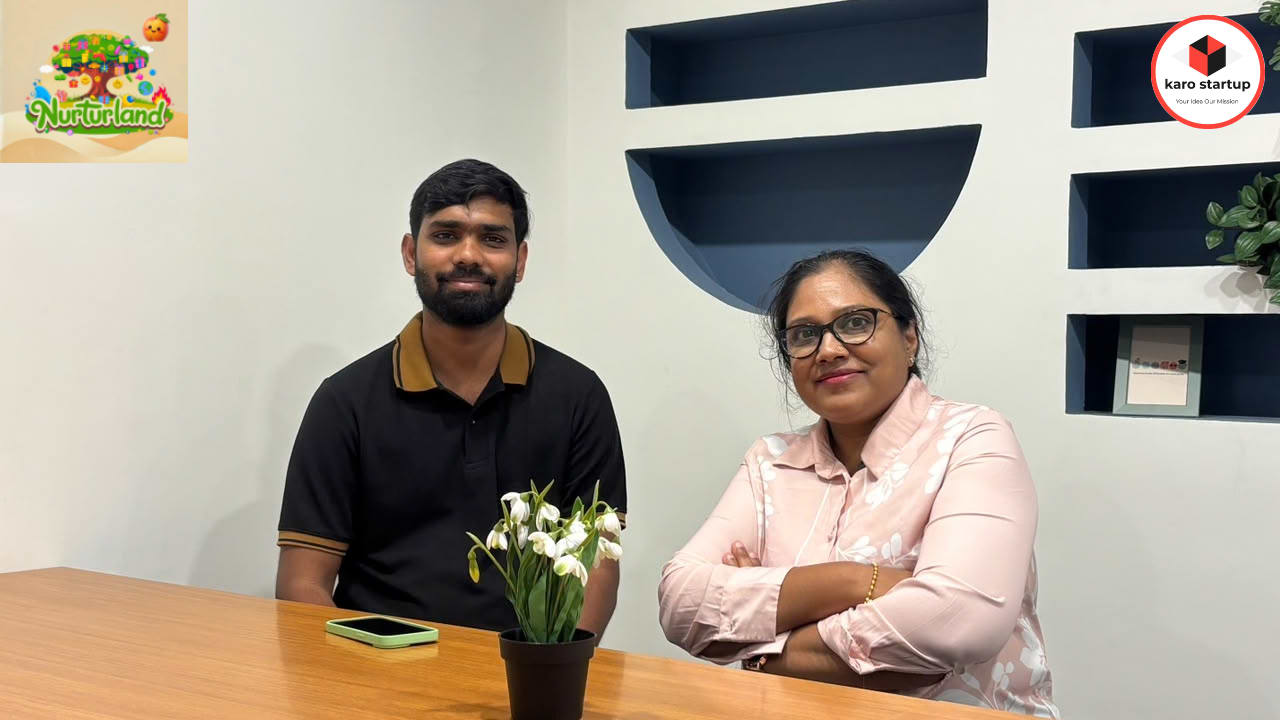
A Bengaluru founder wrote her own questionnaire at 2 a.m. It is now the engine of a platform for families of children aged 2 to 18.
One night, after another fruitless search for a therapist or a product that fit her child, Archana T opened a blank document and wrote down every question she wished someone had asked her when the diagnosis came.
That document became Nurturland.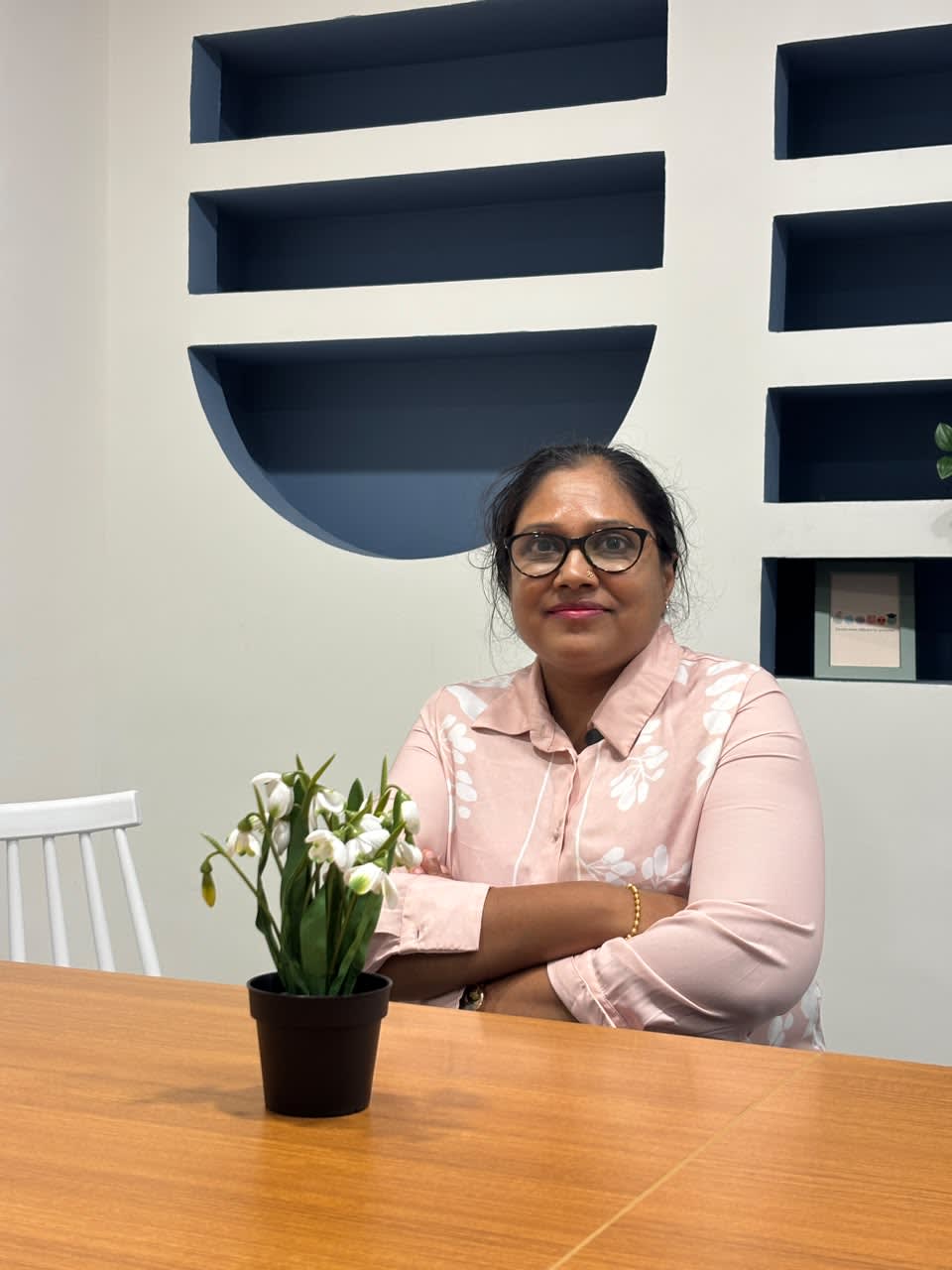
Nobody hands these families a plan
For a family raising a child with a developmental or physical difference in India, a diagnosis is rarely the end of the search. It is the beginning of one: a speech therapist in one part of the city, a special educator in another, sensory products ordered from sellers with no idea what the child needs, and answers pieced together from WhatsApp groups run by other exhausted parents.
The 2011 Census counted 2.68 crore persons with disabilities in India, about 2.21% of the population, a figure widely regarded as conservative. Behind that number are families building their own plan, over years, while working and worrying.
Nurturland asks a different question: what if the plan started with the parent?
From a blank document to a company
Nurturland is a Bengaluru-based platform incorporated in March 2025 and operated through Mandhara Global Solutions Pvt. Ltd. Its blank-document questionnaire became the Nurturland Intake Questionnaire, or NIQ, and the premise is simple: ask a parent the right questions and you can build a learning plan around their child instead of around a diagnostic category.
Archana was born with epilepsy. Badminton, which she played at the national level, gave her a conviction that became the company's operating premise: a body or brain that works differently does not mean a life that works differently. She later became a single parent to two children. One was born with hypothyroidism, developmental delays and epilepsy, and has since won gold and silver medals in the Special Category at national skating competitions. Raising two children whom the same systems treated differently made the gap impossible to ignore.
"Nurturland wasn't an idea I came up with. It was the thing I needed and couldn't find."
She registered Nurturland as a for-profit company, deliberately. "I'd seen enough well-meaning charity models run out of steam." What followed was unglamorous: a small team, a working prototype of the questionnaire, and testing with real families. "It was built by getting it wrong in front of real families until we got it a little more right."
Three pillars, one child profile
Learn turns a parent's NIQ responses into an Individualised Learning Plan (ILP) built for that specific child. Shop is a curated marketplace of products matched to particular conditions and needs. Connect is a community and specialist network that helps parents find credible practitioners instead of crowd-sourced guesses.
Each pillar informs the others. What the platform learns about a child through Learn shapes what it recommends through Shop and who it connects the family with through Connect. A single-purpose app cannot do that.
Nurturland has also built its own content library, including parent handbooks, the Big Book of Feelings and the Everyday Scripts Pack. Its first customers came from paid parent webinars, sourced entirely through LinkedIn and Archana's own network, with no advertising spend.
The pilot: three conditions, chosen deliberately
Learn is in pilot with ten families across three conditions: blindness and low vision, cerebral palsy, and autism. They were chosen for spread rather than convenience (sensory, physical and developmental) to test whether the NIQ-to-ILP model holds across very different profiles.
"We've chosen depth over scale at this stage, on purpose, so that what we build for the next thousand families actually works for the first ten."
Where Nurturland stands today
Revenue is designed to come mainly from monthly and annual Learn subscriptions, tiered by the level of support a family needs, with a low-cost entry offer during the pilot. Shop will earn marketplace revenue as it scales, and Connect will generate income through specialist consultations and partnerships. Plans and details are at nurturland.com.
The company is candid that it is pre-revenue apart from early webinar and content sales, and measures progress in what it has built. It has raised no external capital. Archana started with ₹7 lakh of her own savings, spent on the product, incorporation and early marketing. "₹7 lakhs doesn't buy the platform I want. It bought a beginning."
The team is small and largely external by necessity. Dhruv Raghav is Director and Creative Head, Amrutha CR is a Director, and Dr Dinesh RV is medical advisor. Technology, marketing, legal and finance are handled by outside partners. Bringing those functions in-house is the priority once capital allows.
Few manufacturers make products for this category, and fewer will work with a small startup. Reliable national data on how many children need this support barely exists. Outside the metros, the first job is not selling anything. It is explaining what the product is.
The gap does not stop at the front door
Most mainstream-school teachers have no training to identify a child with additional needs, let alone support one. A child who is not understood is often labelled difficult or slow, and classmates who are taught nothing about difference turn confusion into teasing and exclusion.
That is why schools and educators are part of Nurturland's route to market, and why specialists and therapists are being brought into Connect: parents need credible people, not more content. Existing players cover parts of this, such as school screening, specialist access and tutor marketplaces. Archana's view is that none of them combine assessment, learning, products and specialist access in one India-first platform. She calls it InclusionTech.
What's next
The immediate milestone is a first funding round, and Archana is specific about the kind she wants: "investors who believe in the mission as much as the numbers." It would let Nurturland bring key roles in-house, build faster and give the product the depth it needs.
Over three to five years, the plan is reach rather than sophistication: Tier 2 and Tier 3 India, then international markets, with the platform in regional languages so awareness travels to families who have never had access to any of this. She also wants that growth to create work beyond urban technology jobs, for the niche vendors who make these products and for the rural employment attached to them.
Underneath it all is a question she could not put down: what happens to her child the day she is no longer there to advocate, fill the gaps and keep them safe.
"That fear turned this from something I quietly wished existed into something I had no choice but to build. Then I realised it was not only my fear. That's the moment this stopped being personal and became a responsibility."
Her advice to anyone starting now: "Start with the actual problem, not the pitch. I didn't begin with a business plan. I began by writing down the questions I wished someone had asked me."
Be part of the first thousand families
Parents: what is the one question you wish someone had asked you at diagnosis? Tell us in the comments.
Schools, specialists and therapists: join the Connect network and help build it with us.
Investors and partners: if you back the mission as seriously as the model, write to Archana Thimmaiah
Learn more: nurturland.com