India’s long-standing ambition to enter the global semiconductor manufacturing race is now translating into real infrastructure and production capacity. Union Electronics and IT Minister Ashwini Vaishnaw has announced that three additional semiconductor plants will begin commercial production in 2026, a development that signals India’s transition from policy announcements to operational execution.
With global demand for chips rising across industries — from smartphones and electric vehicles to artificial intelligence and defense systems — India is positioning itself as a reliable alternative in the global semiconductor supply chain.
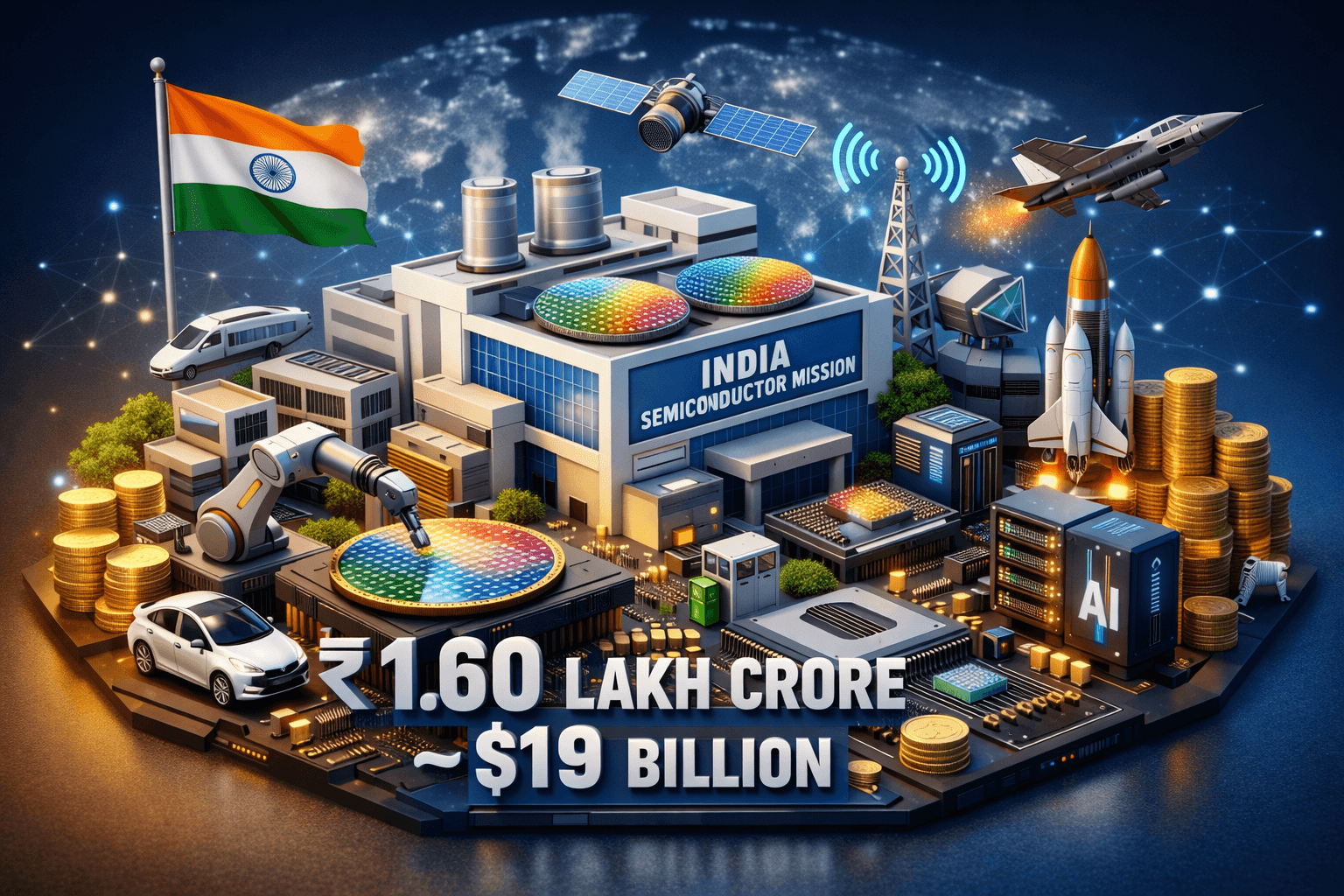
India’s semiconductor journey formally began in 2021 with the launch of the India Semiconductor Mission. The mission was designed to address a critical strategic gap: despite being one of the world’s largest consumers of electronics, India had zero semiconductor fabrication facilities.
The government introduced a comprehensive incentive framework, including capital subsidies, infrastructure support, and policy stability, to attract global manufacturers and encourage domestic players to enter the highly capital-intensive semiconductor sector.
The results have been rapid and substantial:
Within just four years, India has moved from having no fabs to inaugurating its first commercial semiconductor facility, with more now in the pipeline.
The three upcoming facilities expected to start production in 2026 will significantly expand India’s manufacturing capabilities. These plants are part of a broader ecosystem that includes:
These facilities will support a wide range of industries, including:
As chip demand continues to surge globally, domestic production will help India reduce import dependence, which currently accounts for a large share of its electronics trade deficit.
Strengthening Supply Chain Security
The global chip shortage during the COVID-19 pandemic exposed the risks of concentrated manufacturing in a few regions. By building domestic capacity, India is aiming to safeguard critical industries from future disruptions.
Boost to Electronics Manufacturing
India is already one of the fastest-growing electronics manufacturing hubs. Local chip production will lower costs, improve supply reliability, and accelerate initiatives like smartphone, EV, and telecom equipment manufacturing.
High-Value Job Creation
Semiconductor plants generate high-skilled employment across engineering, materials science, manufacturing operations, and research. In addition, they create indirect opportunities in logistics, chemicals, equipment maintenance, and ancillary industries.
Catalyst for Innovation and Startups
India already has a strong semiconductor design talent base, with many global companies running design centers in the country. Manufacturing capability will complement design strength and encourage deep-tech startups in chip design, embedded systems, and hardware innovation.
Most of the approved projects are being developed through collaborations between Indian business groups and global semiconductor leaders. These partnerships bring:
State governments are also playing a key role by offering land, power, water infrastructure, and fast-track approvals to attract large-scale investments.
Building a Full Semiconductor Ecosystem
The government’s long-term vision goes beyond just fabrication. The focus is on creating an integrated value chain that includes:
Universities and technical institutes are also being aligned to develop a specialized workforce for the sector.
With geopolitical tensions reshaping global supply chains, many countries are looking to diversify semiconductor manufacturing beyond traditional hubs. India’s large domestic market, skilled engineering talent, policy support, and improving infrastructure make it an increasingly attractive destination.
The announcement that three more plants will go operational in 2026 sends a strong signal to global investors: India is not just planning a semiconductor future — it is actively building one.
While semiconductor manufacturing is complex, capital-intensive, and time-consuming, the pace of progress over the past four years reflects strong policy intent and industry participation. If execution continues at the current pace, India could emerge as a significant player in the global semiconductor ecosystem over the next decade.
What began as an ambitious national mission is now taking physical shape — factories, production lines, and a growing ecosystem that could redefine India’s position in the global technology landscape.
Follow Karostartup for more insights into the intersection of technology, policy, and the future of India.
Quick Share