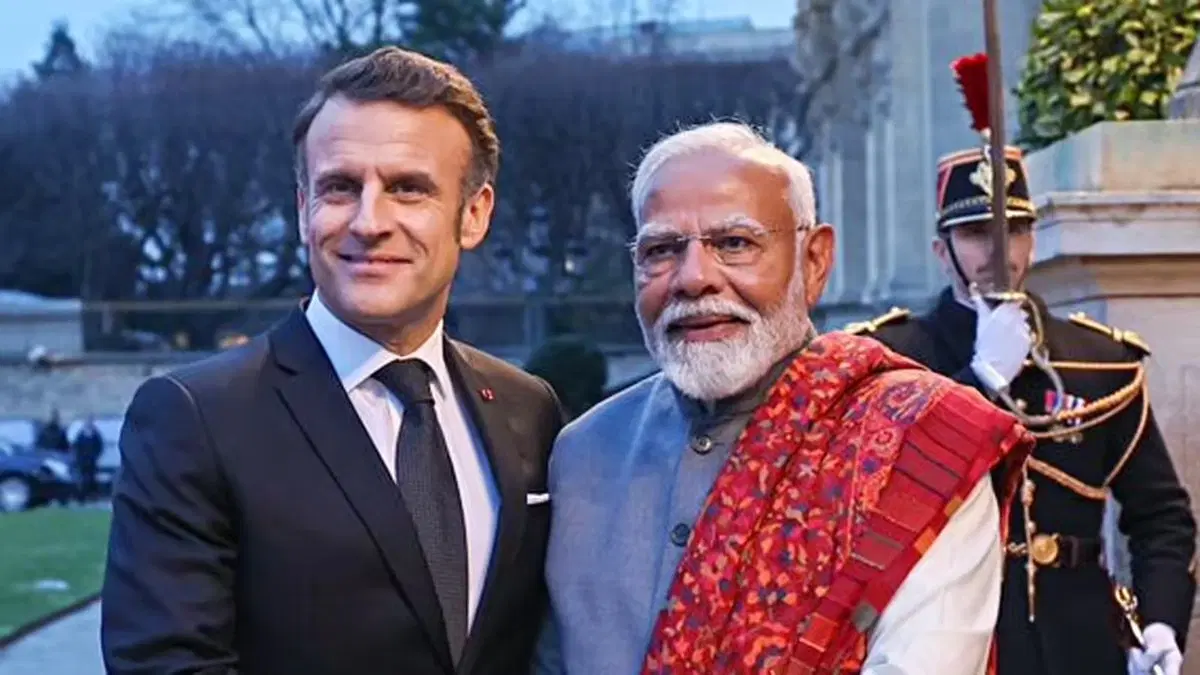
The rapid expansion of smartphone access across India has brought the world to the fingertips of millions. However, this digital revolution has a shadow side. As concerns regarding mental health, cyber safety, and "digital addiction" peak, a national conversation is emerging: Should the Indian government, led by PM Narendra Modi , intervene with a ban or strict regulation on social media for children?
Social media platforms were never built with pediatric psychology in mind; they were built for adult engagement and data monetization.
Developmental Sensitivity: Children aged 8 to 14 are in a critical stage of brain development. Constant exposure to "algorithmic loops" can rewire attention spans and reward systems.
The Content Gap: Despite age gates, children are frequently exposed to age-inappropriate content, ranging from graphic violence to sophisticated online predators.
The Loss of "Analog" Childhood: A ban or restriction could serve as a "digital reset," reclaiming time for physical sports, face-to-face social skills, and creative hobbies that are being replaced by passive scrolling.
The link between "Likes" and "Self-Worth" is a dangerous one for a teenager. In India, where academic and social pressure is already high, social media adds a layer of invisible stress.
Social Comparison: Constant exposure to curated, "perfect" lives leads to body dysmorphia and low self-esteem.
Cyberbullying: Unlike schoolyard bullying, digital harassment follows a child into their bedroom, 24/7, often leading to severe anxiety and isolation.
The Sleep Deficit: Blue light and late-night scrolling are disrupting the sleep cycles of students, directly impacting their cognitive functions and emotional stability.
India’s strength lies in its human capital and education. However, the rise of short-form video content (Reels, Shorts) is creating a generation with a "goldfish attention span."
Concentration Decay: The instant gratification of social media makes the long-term effort required for mathematics, science, and reading feel "boring" or unrewarding.
The Productivity Trap: Students often fall into "rabbit holes," where a 10-minute break turns into a 3-hour scrolling session, leading to neglected assignments and poor exam performance.
Prime Minister Narendra Modi has championed the Digital India mission. The challenge now is to evolve that mission from "access" to "ethics."
If a total ban is deemed too restrictive, the government could implement a "Middle Path" strategy:
Biometric Age Verification: Moving beyond simple "date of birth" checkboxes to robust, AI-driven or ID-linked age verification.
"Sunset" Clauses: Mandatory app lockdowns for minors between 10:00 PM and 6:00 AM.
Algorithmic Transparency: Forcing platforms to disable "suggested content" for users under 16 to prevent rabbit holes.
School Integration: Making digital literacy and cyber-safety a mandatory part of the national curriculum.
Critics of a total ban argue that it could stifle digital literacy and limit a child's ability to learn and create in a tech-driven world. Social media, when used correctly, can be a tool for global connectivity and learning.
The Goal: To ensure that technology serves as a ladder for growth, rather than a cage for the mind.
The call for action is not an anti-technology movement; it is a pro-childhood movement. Whether through a legislative ban or rigorous new safeguards, India must prioritize the psychological safety of its youngest citizens. As we build a digital superpower, we must ensure the foundation—our children—is secure.
Follow Karostartup for more insights into the intersection of technology, policy, and the future of India.
Quick Share