In a move that has stunned India's startup ecosystem, Zomato's founder is backing the most unconventional health tech venture the country has ever seen — and betting over $12 million of his own money on it.
On February, 2026, while most of India's tech founders were busy chasing the next quick commerce milestone or AI chatbot, Deepinder Goyal unveiled something entirely different: Temple, a startup that wants to put a device on your head and measure the blood flowing through your brain.
Not tomorrow. Not in some distant sci-fi future. Right now.
And he's not alone in believing this could change everything. Temple just closed a $54 million seed round at a staggering $190 million valuation — before shipping a single product.
Forget fitness trackers. Forget smartwatches that count your steps and guess at your sleep quality.
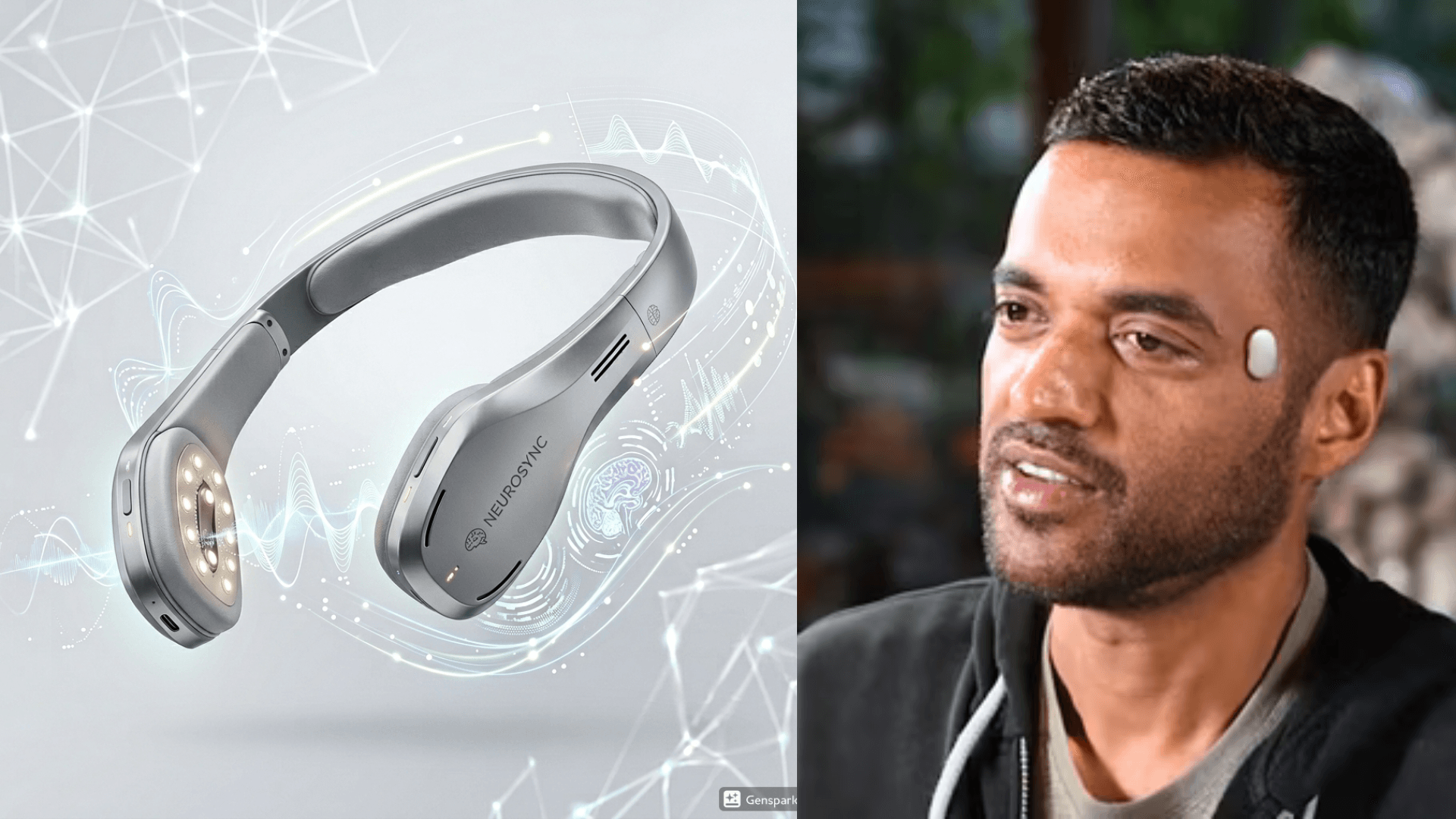
Temple is building a wearable neurotech device that sits on your temples — the sides of your forehead — and continuously monitors cerebral blood flow: the amount of blood moving through your brain in real time.
Think of it as a heart rate monitor, but for your brain.
Your brain is the most energy-hungry organ in your body. It accounts for just 2% of your body weight but consumes 20% of your oxygen and glucose. Blood flow is the delivery system for that fuel.
When you're focused, stressed, tired, or about to burn out — your brain's blood flow changes. Temple wants to measure that, track it, and help you optimize your mental performance and health.
Deepinder Goyal calls it "the most important wearable ever made."
Temple's seed funding isn't just impressive — it's historic by Indian startup standards.
This is one of the largest seed rounds ever raised by an Indian health tech startup.
At seed stage. With no launched product. That's the kind of faith reserved for founders with a proven track record — and Deepinder has that in spades after building Zomato into a multi-billion dollar company.
The investor list reads like a who's who of Indian venture capital:
Peak XV Partners (formerly Sequoia India) — ₹54.30 Crore
Steadview Capital — ₹90.49 Crore (the largest institutional investor)
Dharana Fund — ₹49.77 Crore
Aaroh Fund — ₹18.10 Crore
Info Edge Ventures — the same firm that backed Zomato early
Vy Capital — a global tech investor
80+ individual investors — a mix of founder friends, early Zomato backers, and operators who've seen Deepinder build before
In a rare show of founder conviction, Deepinder Goyal personally invested ₹104.07 Crore — making him the single largest investor in Temple.
That's not a token gesture. That's skin in the game.
Perhaps most telling: over 30 Temple employees invested their own personal savings into the company — at the same valuation as external investors, with zero discount.
When your team is willing to bet their own money on the mission, that says something about belief.
Let's be clear: Temple is not a typical Indian startup.
While the rest of India's startup world is locked in a 10-minute delivery war, Temple is tackling neuroscience, hardware engineering, and medical-grade wearables.
Temple hasn't launched. There's no app to download. No device to pre-order. Yet it's valued at nearly $200 million. That's a bet on vision, founder credibility, and long-term potential — not traction metrics.
Deepinder didn't need to raise this money. He's already built a unicorn. He's wealthy. This isn't about an exit. This is about building something that matters — and the investors know it.
Deepinder and the Temple team believe that understanding your brain's real-time activity is the next frontier in human performance and health.
If Temple can deliver on this promise, it won't just be a wearable — it could be a new category of health monitoring.
Of course, not everyone is convinced.
But here's the thing: Deepinder has done the impossible before.
When Zomato started, people said food delivery would never work in India. That restaurants wouldn't partner. That customers wouldn't pay. That logistics would break the business.
He proved them all wrong.
Temple is still in stealth mode, but here's what we know:
Product development underway — the device is being built
Team scaling — hiring across hardware, neuro, and AI
Regulatory pathway mapped — working toward medical device certifications
Beta testing planned — likely with employees and early believers first
If things go well, we could see a public launch within 12-18 months.
Deepinder Goyal didn’t need to do this. He could have retired comfortably, joined a venture capital firm, or backed startups from a safe distance. Instead, he chose to start over—building from scratch in one of the toughest and most complex categories imaginable. More than that, he has persuaded some of the smartest minds in Indian tech to join him, not just with their money, but with their time, conviction, and personal capital. This isn’t hype. It’s belief. It’s commitment. It’s conviction.
It's too early to say whether Temple will succeed. Neurotech is brutally hard. Hardware is unforgiving. Medical devices take years.
But here's what we know for sure:
The vision is bold — measuring brain health in real time could change millions of lives
The backing is serious — $54M from top-tier investors isn't a joke
The founder is credible — Deepinder has built a unicorn before
The team believes — employees investing their own money is a powerful signal
Whether Temple becomes the "most important wearable ever made " or a cautionary tale remains to be seen.
But one thing is certain: Deepinder Goyal is swinging for the fences again.
And when founders like him bet big, the rest of us should at least pay attention.
Temple. A wearable for your brain. A $190M bet on the future of human performance.
Follow Karostartup for more insights into the intersection of technology, policy, and the future of India.
Quick Share