Few people ever pause to wonder, something strange. Imagine turning up at a hospital far from home with just your name. Would anyone there understand who you are medically? Not likely. What about those drug sensitivities, the pills you take every day, or that operation years back shaping how doctors treat you now? Truthfully, they would not know.
Right now, your medical files sit split between different setups. These setups never got built to connect. A scan from a hospital stays there, trapped. Blood test results? They land somewhere else entirely. A faded label with your name sits inside a drawer untouched for ages. Long before computers tracked every detail, someone wrote things down by hand at an old clinic. Pages filled with ink still exist where dust collects around forgotten corners. Years passed without anyone flipping through those sheets of records.
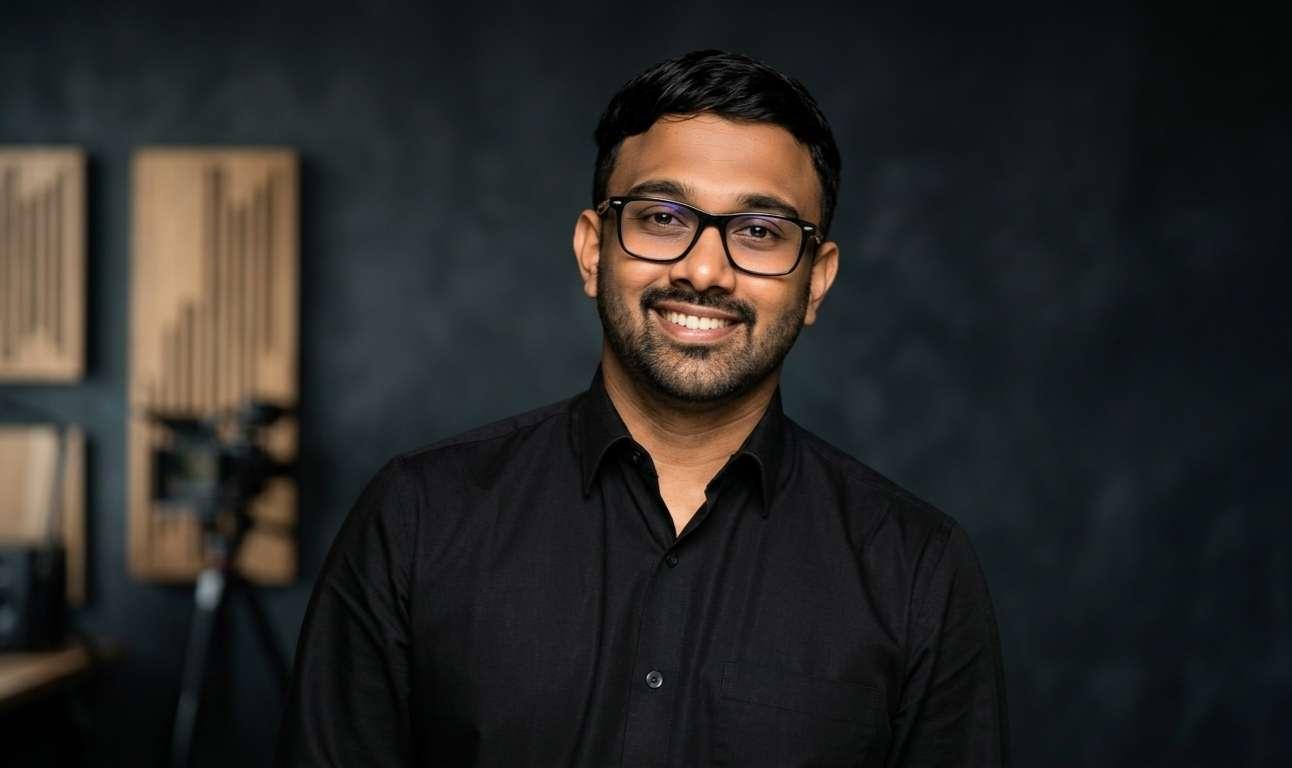
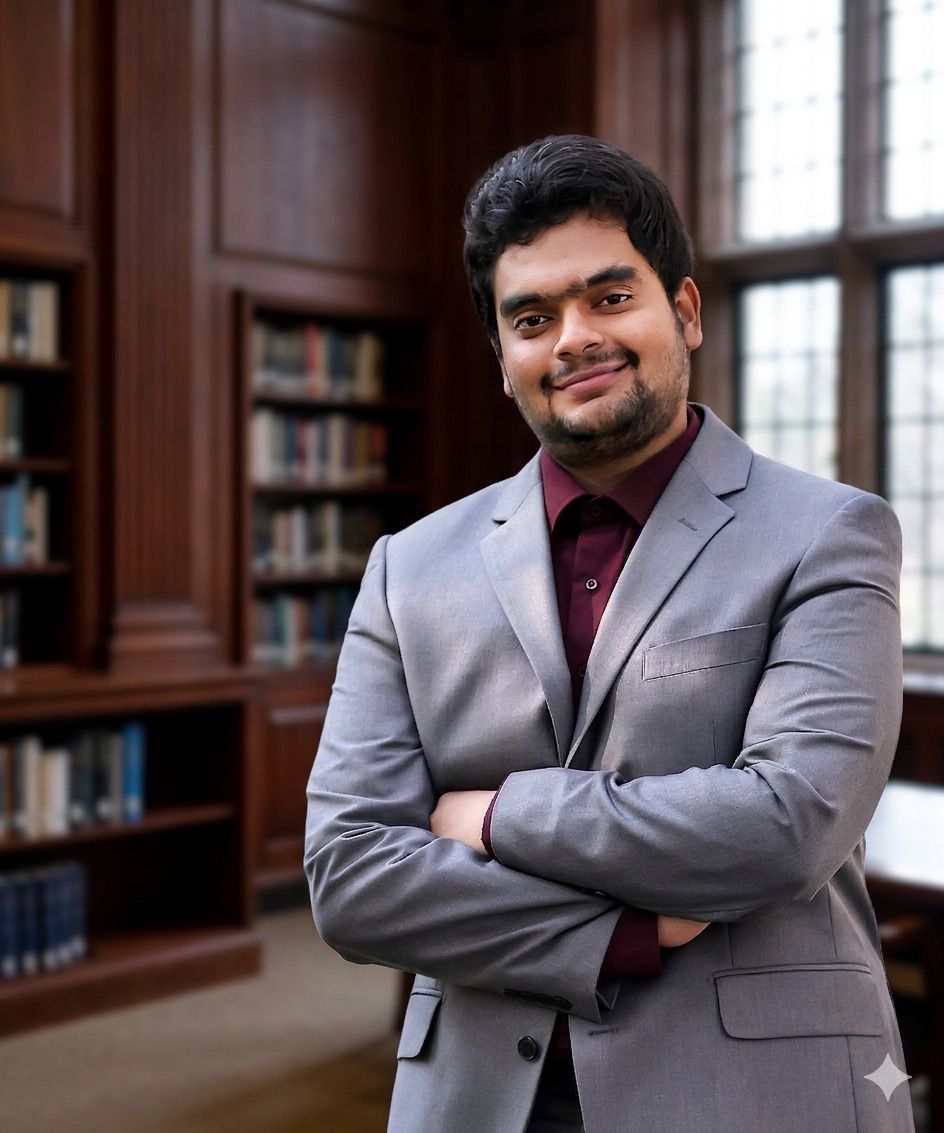
Abhishek Chakrala, founder of PranaChain, describes it plainly: "Most people won't believe how common these gaps still are across healthcare. Solutions exist but they rarely connect." When he studied health networks across different countries, one pattern stood out: where a person lived determined access to their own records more than what they actually needed. That observation became the foundation for everything that followed
Abhishek Chakrala started his journey from the University of Windsor in Canada followed by advanced studies, focusing on Electrical and Computer Science. Roles across private industry shaped his experience work tied to data systems appeared alongside tasks shaping how new technology gets used, often guided by forward-looking plans.
After his engineering school, Abhishek Chakrala stepped into tech-driven companies. There, he learned how systems actually respond when used outside theory. Over time, his grasp grew not through textbooks, but by watching machines react under pressure.
While understanding those machines and observing how India is growing in tech he had one question in mind. Why are hospitals still running in old school? What tech made possible for the world often sat miles behind real-world setups.
Abhishek also won the NASA Space Race Challenge and secured commercialisation rights for two NASA patents, a recognition that placed him among a small global group of engineers trusted to take space-grade research into real-world application. He has since gone on to advise over 20 startups globally, bringing systems-level thinking to problems that most product builders approach from the outside.
The question that stayed with him throughout all of it was straightforward: why were hospitals still running on infrastructure that the rest of the technology world had moved past long ago?
Health data has long been split up. Before the world faced COVID-19, pieces were already scattered. When the outbreak hit, gaps showed wide open. Back then, folks showing up at clinics rarely brought their past health records along. Doctors made choices using whatever details they could gather. Where computers handled patient info, one system couldn’t always talk to another.
Later on, PranaChain began taking shape. Right away, attention shifted toward grasping the full scope of the challenge. Exploring how people acted, how systems were built, played a part - especially inside varied medical settings.
Abhishek self-funded PranaChain with Rs 22 lakh. A small team of developers and engineers came on board early, and the first task was building a system where medical data could be stored securely and accessed only when the patient chose to share it.
Before launch, the platform went through 8 months of structured testing across real-world settings in India, the USA, Canada, Italy, and France. It did not go public until those tests showed it was ready. The platform launched in September 2025.
In 2025, PranaChain received the Global Recognition Award for innovation in digital health, adding third-party validation to what has largely been organic momentum. Now into 2026, the platform sees more people joining every month. Spread isn’t limited to one area, since doctors and hospitals in India are stepping in. Some city clinics have already begun testing it out. Growth shows up not just online, but on the ground too.
They come with steady progress, built quietly by collaborations, small-scale tests, one user at a time. Through all of it, a smooth experience matters more than rapid scaling.
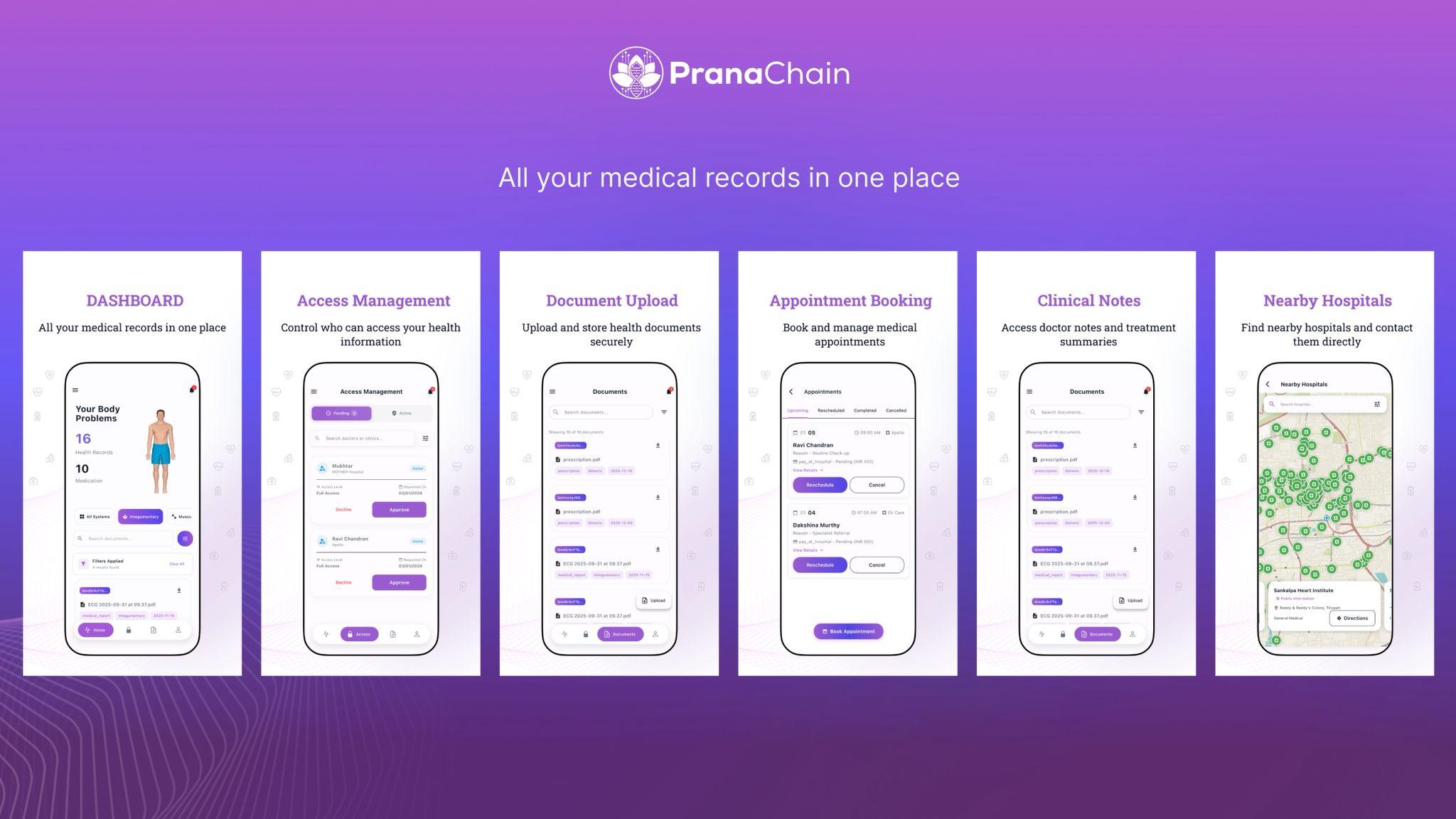
One idea drives PranaChain: your health records belong to you. The platform links patient data across clinics, diagnostic centres, and hospitals through a single network, but access is always on your terms. You decide which details go out and who receives them. Activity logs show exactly who viewed your records and when.
It runs on any device and holds up even in low-connectivity areas, which matters most in the places where healthcare infrastructure is already thin.
The practical impact is straightforward. When someone walks into a clinic mid-crisis, or a family member scrambles to pull up records under pressure, getting the right information fast changes outcomes. Faster access means shorter wait times, fewer repeat tests, and lower out-of-pocket costs. That is not a feature. That is the point.
Most Electronic Health Record (EHR) systems are built for hospitals, not patients. The hospital owns the data. You can request it, but you cannot control it. If you move cities, change doctors, or need emergency care abroad, the records rarely follow.
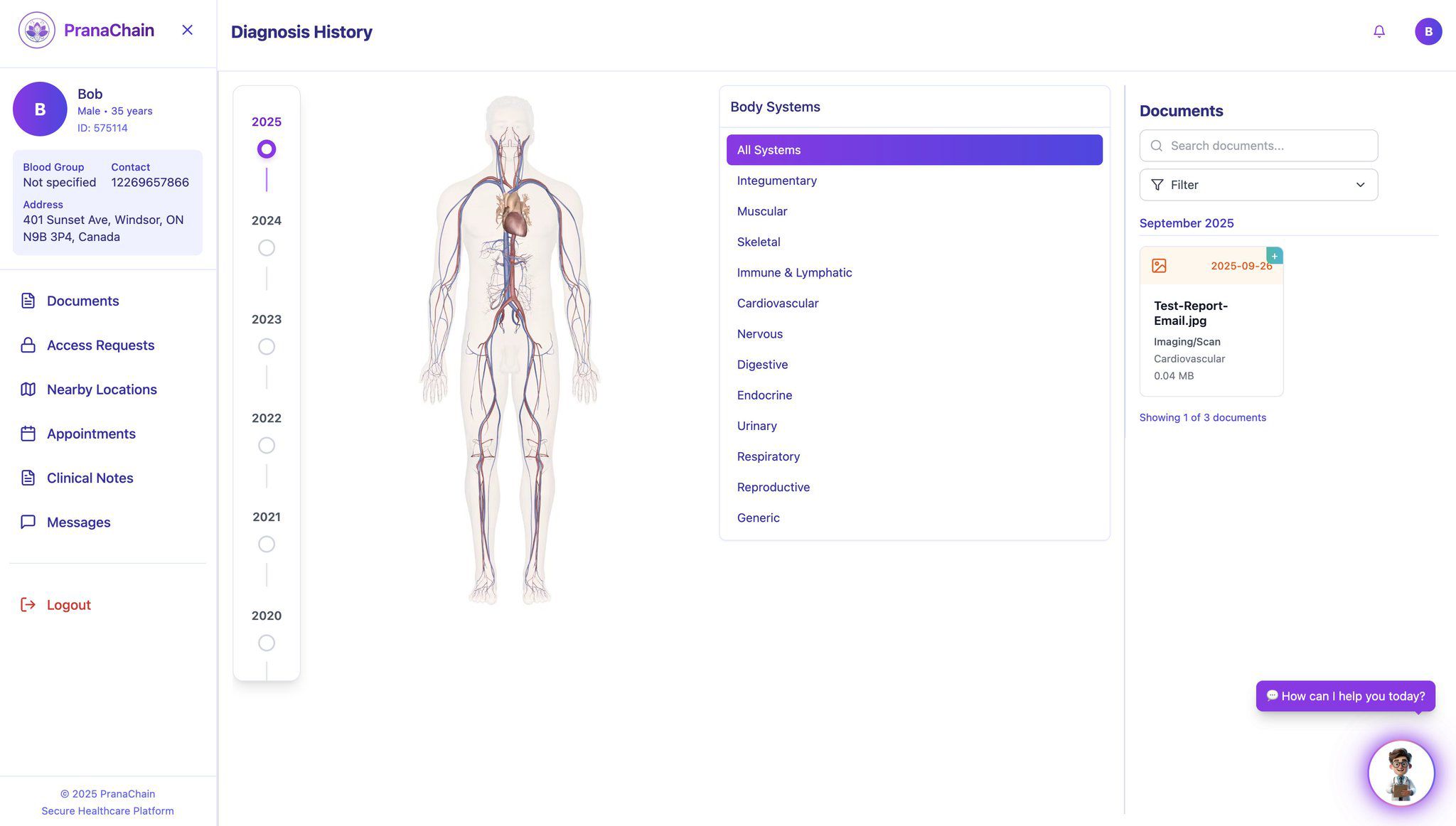
PranaChain flips that model. The patient holds the record. Built on a decentralised blockchain architecture, the platform connects clinics, diagnostic centres, and hospitals through a single network. But access is always permission-based. You decide who sees your data, which details they can view, and for how long. Activity logs show you exactly who accessed your records and when. The dashboard consolidates all health records in one place, organised by body system. The access management feature lets users approve or decline sharing requests from doctors or hospitals in real time. The platform runs on any device and is built to function even in low-connectivity environments, making it genuinely usable in Tier 2 and Tier 3 cities across India.
Unlike national health ID schemes that centralise data under government infrastructure, PranaChain keeps control with the individual. Unlike hospital-specific EHRs, it is not tied to any single provider.
The way it solves problems like someone arrives at a clinic in a crisis, the single most important thing is getting accurate health information without delay. Repeat tests, avoidable wait times, and medication errors all trace back to a fragmented record. The faster record access reduces both consultation time and the need for repeat diagnostics. For a country where out-of-pocket healthcare costs remain high, that is a meaningful reduction in real expenses. This systematic approach stands out because PranaChain is not the technology stack. It is the discipline. At a time when healthtech startups routinely raise crores before shipping a working product, PranaChain spent eight months testing quietly across five countries before going public. Taking one step at a time where broken promises have made patients and clinicians alike deeply sceptical of new platforms, credibility is the hardest thing to build and PranaChain is not only doing that it's changing how the medical industry operates
Quick Share