In India, there are some problems everyone lives with but very few openly talk about. Menstrual hygiene is one of them. For decades, it stayed hidden behind pharmacy counters, wrapped in newspaper, and spoken about in hushed tones. Millions of women adjusted, compromised, and accepted discomfort as normal. Plush was born the day one founder decided that this should not be normal anymore.
Plush is not a brand that started with a “market opportunity” slide or a trending keyword. It started with discomfort, silence, and a very personal realization. Today, the brand has crossed ₹66 crore in revenue in FY25 , growing more than 2.3x year-on-year , but its journey began much smaller and much quieter.
India has over 350 million menstruating women . Yet for a long time, feminine hygiene products in India fell into two extremes. Either they were extremely low-cost, poor-quality options that caused irritation and discomfort, or they were overly clinical products that made women feel awkward and embarrassed.
Buying a chocolate felt easier than buying a sanitary pad. Even in urban India, many women preferred sending someone else to purchase these products. Packaging was dull, quality was inconsistent, and comfort was rarely the priority. This gap was obvious, yet ignored.
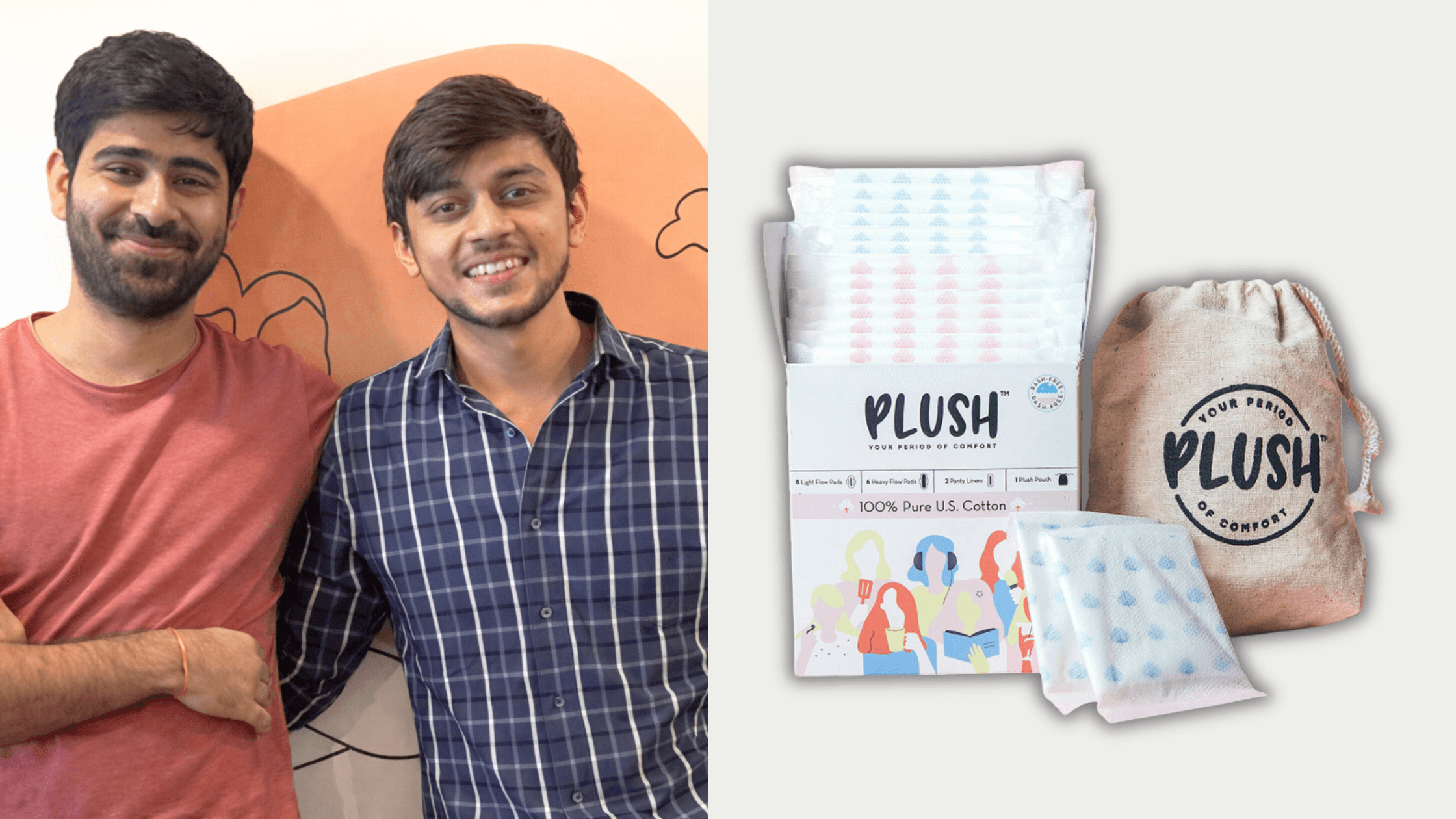
Plush’s founder, Ketan Munoth and Prince Kapoor noticed this gap not as a statistic but as a lived experience. She realized that the issue wasn’t awareness. Women knew what they needed. The issue was access to better products, better design, and a more comfortable experience.
Plush was founded with a simple thought: feminine hygiene products should feel as normal to buy as skincare or haircare. There should be no shame, no compromise, and no trade-off between comfort and affordability.
Instead of treating hygiene as a medical problem, Plush decided to treat it as a daily lifestyle need . The focus was not just on functionality but also on how women felt while using and buying the product.
This mindset shaped everything that followed.
Plush did not launch with dozens of products. The brand started with a limited range, focusing on quality, comfort, and feedback. Early batches were small. Packaging decisions were intentional. Every detail was thought through, from materials used to how the product looked on a shelf or a website.
There were no big celebrity endorsements in the early days. No massive marketing spends. Growth was slow but steady. Pallavi and her team listened closely to early customers. Instagram DMs, emails, and reviews mattered more than dashboards.
Women didn’t just buy Plush products. They wrote back. They shared what worked, what didn’t, and what they had never experienced before. That feedback loop became Plush’s biggest advantage.
The category itself created challenges. Retailers were hesitant to stock a new feminine hygiene brand without proven demand. Investors questioned whether this was a “big enough” opportunity. Some dismissed it as an urban, niche product that wouldn’t scale.
There were also cultural challenges. Talking openly about periods still made people uncomfortable. Advertising had to be handled with sensitivity. Education and trust-building took time.
But Plush had one thing working in its favor: retention. Women who tried the product often came back. Comfort and quality created loyalty, and loyalty created repeat purchases.
Over time, Plush expanded beyond just sanitary pads. The brand moved into intimate hygiene and personal care products, always staying close to its core promise: comfort, safety, and thoughtful design.
Each product launch followed the same philosophy. No rushing. No copying trends. Everything was built around real usage and real feedback. This helped Plush avoid becoming just another D2C brand chasing growth without depth.
Branding also played a key role. Plush chose clean, modern, and friendly visuals. Nothing that screamed “medical” or “taboo.” The idea was simple: hygiene should feel normal, not awkward.
The results of this approach started showing clearly in the numbers. Plush’s revenue from operations grew from ₹29 crore in FY24 to ₹66 crore in FY25 , a 2.3x increase in just one year. Including other income, total income stood at ₹67 crore .
The company also reported a loss of ₹7 crore in FY25, which is not unusual for a growing D2C brand. Plush has been investing heavily in brand building, supply chain, and product expansion. This phase is about capturing market share and building long-term trust rather than short-term profits.
Plush has raised venture funding across multiple rounds, backing its ambition to become a large, trusted name in women’s hygiene. While valuation numbers are not publicly disclosed, the growth trajectory signals strong investor confidence.
The company is focused on expanding its reach, improving accessibility, and building a product ecosystem that supports women through different stages of their lives.
The Indian feminine hygiene market is estimated to be worth $2–3 billion today , and it is growing rapidly. Rising awareness, better education, increasing disposable incomes, and the growth of D2C brands are pushing this category forward.
Globally, the feminine hygiene market is valued at over $40 billion . India is still underpenetrated, which means the opportunity ahead is massive. Brands that build trust early and stay consistent have the chance to dominate for decades.
Plush is positioning itself as one of those brands.
Plush operates in a competitive space with both legacy FMCG brands and new-age D2C startups. However, its differentiation lies in experience, not pricing wars. Plush does not try to be the cheapest option. It tries to be the most comfortable and thoughtful choice.
This focus on experience helps the brand stand out in a crowded market where many players compete only on discounts.
Plush’s journey offers clear lessons for founders. Some of the biggest opportunities exist in categories society avoids talking about. Solving a deeply personal problem can create strong emotional connection and loyalty.
Product quality matters more than marketing noise. Listening to customers beats chasing trends. And it’s okay to prioritise growth over profitability in the early stages, as long as fundamentals are strong.
Most importantly, brands that respect their users build trust, and trust builds businesses.
Plush is not just selling feminine hygiene products. It is slowly changing how Indian women experience and talk about hygiene. From embarrassment to confidence. From compromise to choice.
That shift is powerful.
From a quiet, uncomfortable problem to a ₹66 crore revenue brand , Plush proves that meaningful businesses are often built by solving problems people don’t openly discuss. And those are the businesses that last.
Quick Share