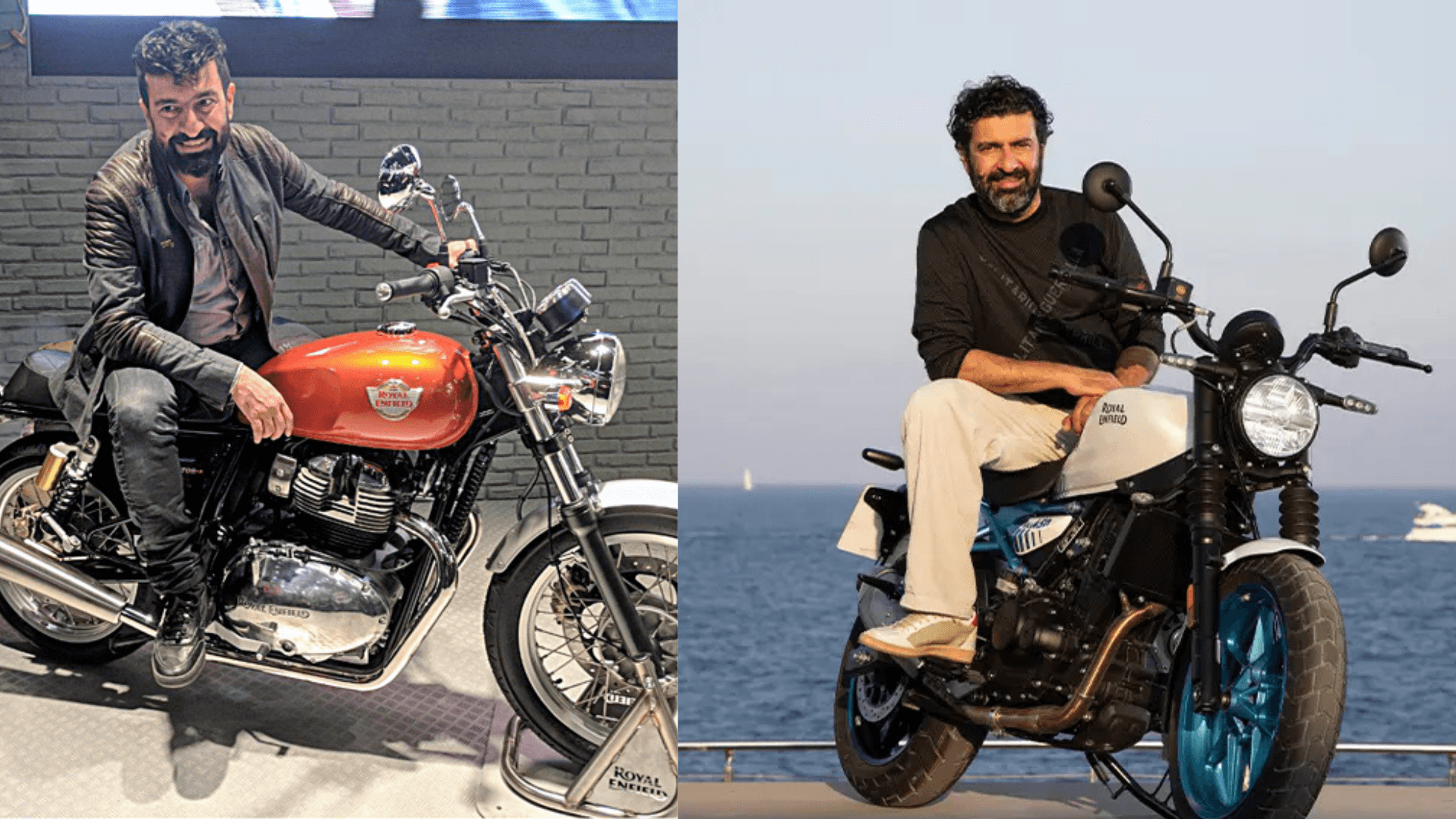
In 2010, if someone had said Royal Enfield would one day sell 10 lakh motorcycles in a single year , most people would have laughed. The brand was respected, even loved, but it did not look like a high-growth business. It was known for nostalgia, not scale. Fast forward to 2025, and Royal Enfield sells over 1 million motorcycles annually , nearly double of what it sold in 2020 when volumes were around 5 lakh units. This is not a lucky phase. This is one of India’s most remarkable long-term turnarounds, led by one person—Siddhartha Lal .
There was a time when Royal Enfield was seen as slow, outdated, and niche. The Bullet had emotion attached to it, but it was also known for vibrations, reliability issues, and old technology. Younger buyers were moving toward lighter, faster, more modern motorcycles. Global brands were pushing advanced engineering, while Indian brands were fighting mileage wars. Royal Enfield was stuck in between — loved, but vulnerable.
Siddhartha Lal’s first big insight was simple but bold. Royal Enfield would not compete in the commuter segment. It would not chase mileage or low-cost positioning. Instead, it would become a global mid-sized motorcycle brand focused on character, design, and experience. At a time when most companies were fighting over 100–125cc bikes, he chose to build a completely different category.
One of Siddhartha Lal’s strongest leadership qualities was respecting the brand’s soul. He understood that if Royal Enfield lost its heritage, it would lose everything. So instead of redesigning the brand into something modern and generic, he preserved the classic design language, the iconic thump, and the retro appeal. At the same time, he modernised what truly mattered — engine platforms, reliability, manufacturing quality, ride comfort, and technology. This balance between old-school emotion and modern engineering became Royal Enfield’s biggest strength.
Earlier, Royal Enfield was largely known only for the Bullet. Under Siddhartha Lal, the portfolio expanded with Classic, Meteor, Hunter, Himalayan, and other models. Each motorcycle spoke to a different type of rider — urban youth, touring enthusiasts, daily commuters who wanted style, and adventure lovers. One brand, many entry points, but one consistent identity. That is extremely difficult to execute.
Behind the scenes, the real transformation was happening in factories. Siddhartha invested heavily in new manufacturing plants, automation, vendor ecosystems, and quality systems. He believed that marketing creates demand, but operations deliver reputation . Royal Enfield scaled production capacity ahead of demand, ensuring that growth would not collapse due to long waiting periods or poor quality. This operational discipline is one of the most underrated reasons for the company’s success.
Royal Enfield stopped marketing motorcycles as mere products. They marketed a feeling — freedom, exploration, brotherhood, and adventure. Rider clubs, long-distance rides, community events, and experiences became core to the brand. Customers did not just buy bikes; they joined a tribe. When customers become community members, discounts lose power and loyalty becomes permanent.
Around 5 lakh motorcycles sold in 2020. Over 10 lakh motorcycles sold in 2025. Sales doubled in five years. Royal Enfield today is one of the strongest global players in the mid-sized motorcycle segment, with growing exports and an expanding international footprint. This is not a comeback. This is dominance.
Siddhartha Lal thinks in decades, not quarters. He protects positioning fiercely. He treats factories and supply chains as strategic weapons, not backend functions. He respects heritage instead of discarding it. And most importantly, he ignores noise. While others chased every new trend, Royal Enfield doubled down on its core.
Technically, Royal Enfield was never bankrupt. But strategically, it was drifting toward irrelevance. Siddhartha Lal did not save the company from financial collapse. He saved it from becoming forgotten. In business, irrelevance is more dangerous than losses.
Build brands, not just products.
Obsess over operations, not only marketing.
Choose a clear position and defend it.
Think long-term.
Protect your identity.
Ten years ago, Royal Enfield was a nostalgic motorcycle brand. Today, it is a global cultural symbol of motorcycling. Not because trends changed. Not because customers suddenly changed. But because one leader believed that heritage is not a weakness. Heritage, when handled correctly, becomes an unstoppable advantage.
Quick Share