A decade after the Fire Phone's spectacular failure, Amazon is quietly building a new AI-powered smartphone — and this time, it's playing an entirely different game.
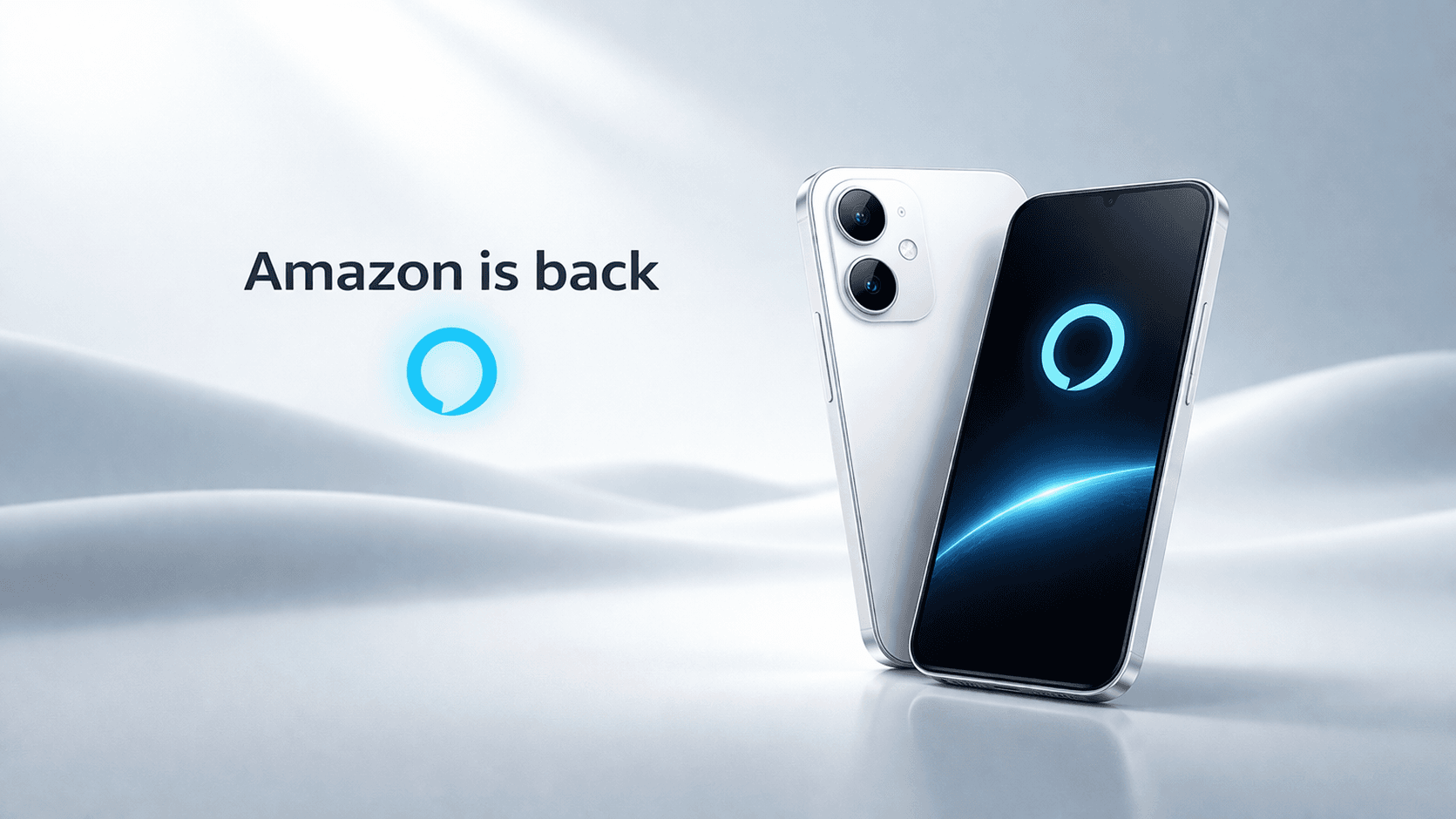
Amazon , the e-commerce and cloud computing giant, is making a surprising return to the smartphone market — more than a decade after its first attempt ended in a costly disaster. According to a Reuters report, the company is now developing a new phone internally dubbed "Transformer," aiming to integrate artificial intelligence deeply into everyday mobile use and strengthen ties to its vast ecosystem of services.
The move has sent ripples through the tech industry, raising a critical question: Can Amazon succeed where it so publicly failed before?
The project is reportedly led by an internal team known as ZeroOne , a year-old group whose mandate is to create "breakthrough" gadgets, headed by J Allard — a former Microsoft executive well known for his work on the original Xbox and the Zune. The broader devices and services organization is overseen by Panos Panay, also a Microsoft veteran.
The phone is envisioned as an AI-driven mobile personalization device that syncs with Alexa and serves as a persistent connection to Amazon's ecosystem, including shopping, Prime Video, Prime Music, and food delivery through partners like Grubhub.
Unlike a conventional smartphone stuffed with third-party apps, Amazon's new device is being designed with a radically different philosophy. Rather than downloading and registering individual applications, users would interact through Alexa and native AI-driven functions directly on the device.
A key focus is integrating AI capabilities, potentially sidestepping or bypassing standard app marketplaces, according to sources cited by Reuters. Interestingly, Amazon is exploring two variants: a traditional smartphone and a more minimalist "dumbphone" with limited features, potentially appealing to users looking to reduce screen time while staying within Amazon's ecosystem. Reports indicate that Amazon has even looked at the Light Phone — a minimalist device designed to counter digital addiction — for inspiration.
It is impossible to discuss an Amazon smartphone without revisiting the humiliation of 2014. Amazon launched the Fire Phone under the direct oversight of Jeff Bezos, packaging it with features like a 3D display system and vision technology for identifying objects. It flopped. The proprietary Fire OS lacked popular apps, the multi-camera 3D feature drained the battery and caused overheating, and consumers simply weren't interested. Amazon slashed the price from $649 to $159, killed the phone after just 14 months, and took a $170 million writedown — one of the most expensive hardware missteps in recent tech history.
The new Transformer project appears to be a direct response to everything that went wrong the first time, particularly the lack of a compelling software ecosystem and a failure to clearly answer the question: Why would anyone buy this over an iPhone or Android?
The new smartphone effort doesn't exist in isolation. It is part of a sweeping, multi-billion dollar AI push by the company. Amazon has been going all-in on AI, investing $50 billion into OpenAI recently, and projecting $200 billion in capital expenditures toward its AI, chips, and robotics efforts in 2026.
The company spent more than a year revamping its Alexa assistant with generative AI features, finally launching it in February 2025 as Alexa+. The upgraded assistant can now plan trip itineraries, update shared calendars, find and save recipes, make movie recommendations, help with homework, and much more. In September 2025, Amazon also unveiled the next generation of several of its devices, including Echo, Fire TV, and Ring — all incorporating its upgraded AI assistant — signalling a broader strategy to put Alexa at the center of everyday life across multiple devices.
The road ahead is far from easy. The smartphone market itself is not an obvious opportunity right now — shipments are expected to fall 13% in 2026, according to the International Data Corporation, as surging memory chip prices push device costs higher. Amazon will also face entrenched competition from Apple and Google, who dominate the smartphone duopoly and have massive head starts in mobile AI with Siri, Google Assistant, and Gemini. Consumer loyalty to these platforms runs deep, and convincing users to switch — or even add a third device — is a significant challenge.
However, where analysts at IDC see Amazon potentially succeeding is in the AI department — specifically if the company chases strong AI services "spanning commerce, content, and the cloud," with a focus on what exists within Alexa, giving it "an opportunity."
What is clear is that Amazon believes the phone is the next battleground for AI customer ownership , and it is not willing to cede that ground to Apple and Google again. The upcoming device would enable users to handle everyday tasks such as shopping, streaming, and service ordering — all natively wired into Amazon's vast commercial infrastructure. For a company that already knows what you buy, what you watch, and what you listen to, a smartphone could be the ultimate data and commerce platform.
Whether the Transformer becomes a genuine game-changer or repeats the fate of the Fire Phone remains to be seen. But one thing is certain: Amazon is no longer content to watch the AI smartphone race from the sidelines.
The Transformer project is currently under development. Amazon has officially declined to comment on the reports.
Visit Karostartup for more insights into the intersection of technology, policy, and the future of India.
Quick Share