Summary:
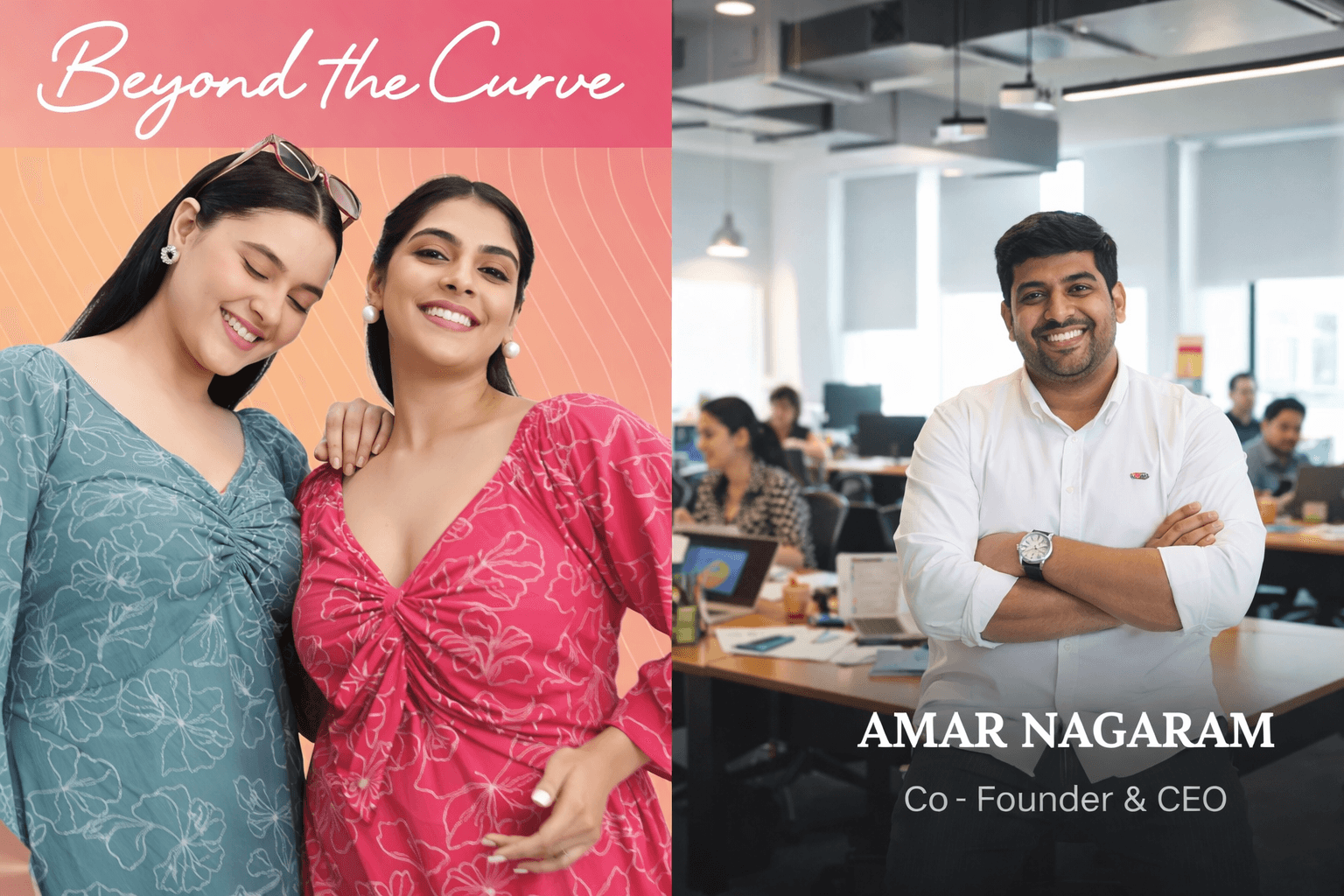
The fashion industry is one of the largest industries in the world, yet it also faces serious challenges like overproduction, waste, and rapidly changing trends. Seeing these problems up close during his career, Amar Nagaram decided to take a bold step. After years of leading one of India’s biggest fashion platforms, he left his position at Myntra to build something entirely new.
That decision eventually led to the creation of Virgio, a fashion-tech startup that aims to combine technology, sustainability, and real-time fashion trends. In a very short time, the startup attracted global investors and reached a valuation of over ₹1300+ crores, showing how powerful the idea behind Virgio was.
Before starting Virgio, Amar Nagaram had already built an impressive career in India’s tech and e-commerce ecosystem. He worked with Flipkart for several years and later became the CEO of Myntra in 2019.
Under his leadership, Myntra continued to strengthen its position as one of India’s largest fashion e-commerce platforms. However, while working closely with the fashion industry, Nagaram noticed a major issue, the traditional fashion supply chain was slow and inefficient.
Typically, fashion brands take 8–10 months to design, manufacture, and launch new collections. By the time the clothes reach stores, trends may have already changed. This leads to excess inventory, heavy discounts, and massive waste in the industry.
Nagaram believed technology could solve this problem. Instead of continuing in a comfortable leadership role, he decided to step away from Myntra and build a new company that could rethink how fashion is produced and sold.
In 2022, he launched Virgio in Bengaluru with a mission to create a technology-led fashion brand for the next generation of consumers.
Virgio was designed as a fashion-tech platform that uses technology to track real-time trends on social media and quickly turn them into clothing collections.
Instead of the traditional slow fashion cycle, Virgio aimed to shorten the entire process from design to manufacturing to just a few weeks. This allowed the brand to respond quickly to new trends and deliver fashionable products to consumers much faster than traditional retailers.
The company mainly targeted Gen Z and millennial shoppers, who constantly look for fresh styles and affordable fashion. Virgio’s platform offered a wide variety of apparel including casual wear, party outfits, and everyday fashion. By combining data analytics, trend tracking, and an agile supply chain, the startup aimed to create what Nagaram described as a “real-time fashion brand.”
Virgio’s bold vision quickly attracted major investors from the global venture capital ecosystem.
In December 2022, the company raised ₹300+ crores in Series A funding from investors including Prosus Ventures, Accel, and Alpha Wave Global. This funding round valued the young startup at approximately ₹1,300+ crore within just a year of its founding.
Several well-known entrepreneurs also backed the startup as angel investors, showing strong confidence in Amar Nagaram’s experience and vision. The funds were primarily used to build technology, expand the team, and develop a strong fashion supply chain that could quickly respond to changing trends.
While Virgio initially started with a fast-fashion approach, the company soon realized that the industry needed a stronger focus on sustainability.
Fashion is one of the world’s biggest polluting industries, producing huge amounts of waste every year. Recognizing this, Virgio shifted its focus toward sustainable and circular fashion models. The brand began designing clothing using eco-friendly fabrics and reducing reliance on synthetic materials. It also introduced transparency in its products by allowing customers to track details such as fabric origin and environmental impact. This sustainability-driven approach helped Virgio build a unique identity among modern fashion startups. In 2024, the company was even recognized with the PETA India Vegan Fashion Award for “Company of the Year.”
Even though Virgio is still a relatively young company, it has ambitious growth plans.
The startup aims to reach ₹120–150 crore in revenue in the coming years while expanding its retail presence across India. The company has also planned to open multiple physical stores in major cities like Mumbai, Ahmedabad, and Delhi while continuing to grow its online presence.
International expansion is also part of Virgio’s strategy, with plans to enter global markets such as Dubai. These expansion plans show how the company is positioning itself as a global fashion brand emerging from India.
The story of Virgio is ultimately a story of risk and vision. Amar Nagaram left one of the most influential leadership positions in India’s fashion industry to start from scratch again.
Instead of playing it safe, he chose to challenge the traditional fashion model and build a company powered by technology and sustainability. In just a short period, Virgio has raised millions in funding, built a recognizable brand, and attracted global attention in the fashion-tech space.
While the journey of startups is never easy, Virgio’s story shows how bold decisions and innovative thinking can create entirely new possibilities in an industry that has existed for decades. As the fashion industry continues evolving toward faster, smarter, and more sustainable models, Virgio is attempting to position itself at the center of that transformation.
Quick Share