Picture a senior HR leader at a tech firm in Bengaluru tasked with planning her company’s annual offsite for three hundred attendees, complete with breakout rooms, plenary sessions, and a gala dinner, all within a tight timeline of eight weeks. She begins with venue discovery, only to find herself navigating an inefficient and outdated process. The first hotel sends a lengthy PDF with outdated images and an unclear floor plan, forcing her to follow up for basic clarifications. The second hotel requires a physical visit, which gets delayed multiple times, and when she finally evaluates the space, it does not meet her requirements. Weeks pass, and she is still without a confirmed venue.
This is not an isolated experience but a reflection of how corporate event planning in India has operated for decades. The process remains fragmented, manual, and heavily reliant on offline coordination, creating inefficiencies that impact both planners and hospitality providers.
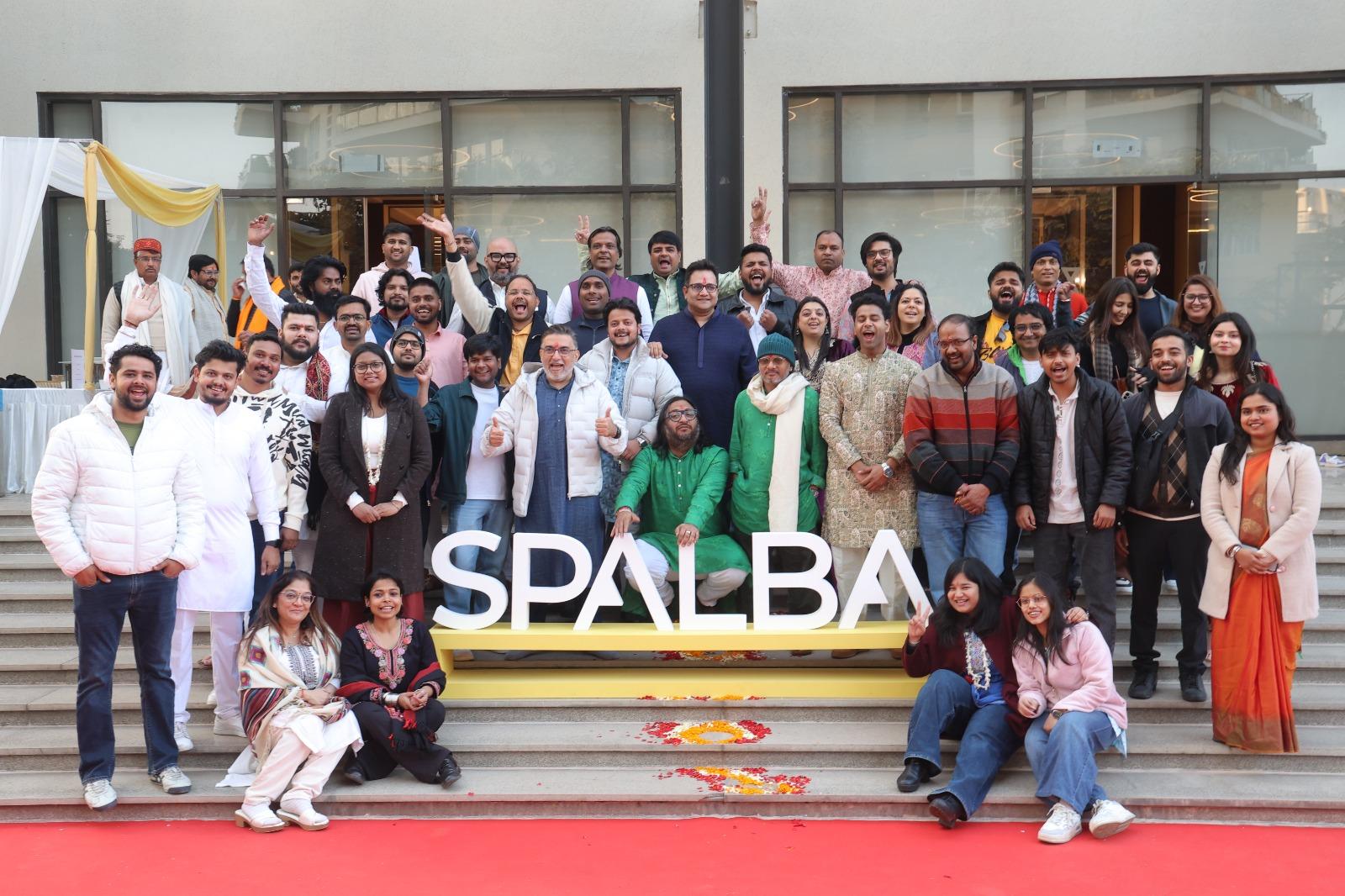
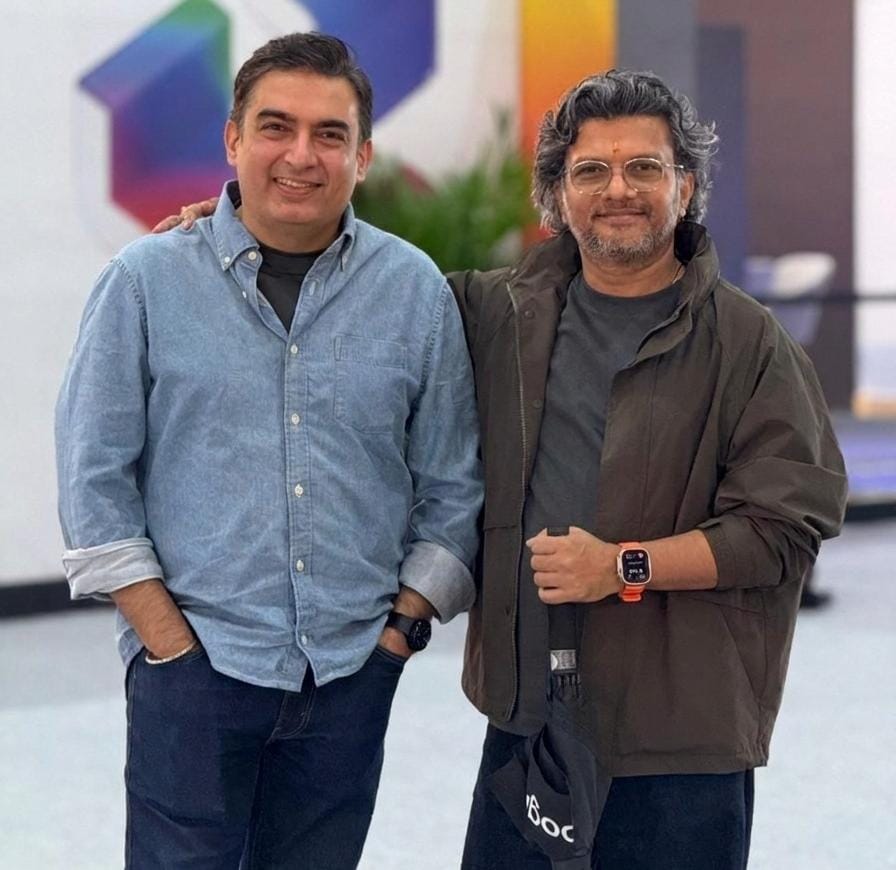
Spalba was built on the recognition that event planning, particularly venue sourcing, suffers from deep structural inefficiencies. Co-founders Naveen Gupta and Vishal Puri approached this challenge from complementary perspectives. Naveen brought firsthand industry experience, having worked extensively in event management with global brands and at leading firms like Wizcraft, where he encountered the operational friction of repeated site visits, prolonged discussions, and complex coordination. Vishal, on the other hand, came from a consulting background as a former Director at PwC India and an alumnus of the Indian Institute of Foreign Trade, with a strong understanding of system inefficiencies at scale. In 2019, their conversations led to a critical question about why venues could not be experienced digitally before a physical visit. However, their ambition extended beyond solving just this problem. The long-term vision was to build a unified event sourcing marketplace where planners could discover venues, evaluate vendors, and execute entire events within a single ecosystem. Venue discovery emerged as the most immediate and broken layer, making it the natural starting point.
They incorporated the company in early 2020, just before the pandemic disrupted the events industry. While the shutdown brought operations to a halt, it also reinforced their thesis by exposing the industry’s lack of digital infrastructure. With no way to evaluate venues remotely, decision-making stalled, highlighting the urgent need for a digital-first approach.
As the industry recovered, Spalba’s challenge shifted from building technology to driving adoption within a traditionally offline ecosystem. Hotels were accustomed to relationship-driven sales and physical walkthroughs, making the idea of virtual evaluation initially difficult to accept. Convincing stakeholders that planners could confidently make decisions without visiting a venue required both persistence and proof. The early traction was slow, with only two properties signed in the first year. However, once a few credible hotel brands adopted the platform, the perception began to change. What started as skepticism gradually evolved into competitive urgency, as more properties recognised the advantage of being discoverable in a digital-first environment. This shift enabled rapid scaling, with the platform expanding to hundreds of venues within a relatively short period.
Spalba is building Asia’s leading event sourcing marketplace that goes beyond venue discovery to enable a more integrated approach to event planning. At the core of its offering is Digital Twin technology, which creates highly detailed 3D replicas of physical venues, allowing planners to virtually explore spaces, test layouts, and evaluate configurations with precision. This enables a planner in one city to assess venues in another without the need for immediate travel, fundamentally transforming how decisions are made.
While this immersive technology addresses the most critical gap in venue discovery, it represents only the first layer of Spalba’s broader vision. The platform is evolving into a full-stack ecosystem that will include vendor discovery, integrated planning workflows, and upcoming offerings such as Praloop. The objective is to enable event planners to manage the entire lifecycle of an event, from sourcing to execution, within a single, unified platform.
The adoption of Spalba’s model is reflected in its growing scale and usage. The platform currently lists over 12,000 venues, with more than 2,280 event spaces digitised through 3D walkthroughs. These Digital Twins have generated over 1.5 crore impressions, while more than 7,000 agencies and corporates actively use the platform for venue discovery and shortlisting. This scale indicates a clear shift in behaviour. Planners are increasingly relying on digital tools to streamline their workflows, reducing dependency on physical visits, while hotels are benefiting from improved visibility and more efficient lead conversion processes.
Event-driven revenue, particularly within the MICE segment encompassing meetings, incentives, conferences, and exhibitions, represents a significant opportunity for hotels. However, the traditional sales cycle has been lengthy and resource-intensive, involving multiple interactions, site visits, and iterative discussions before a decision is finalised.
Spalba addresses this inefficiency by enabling planners to access comprehensive, upfront information such as immersive walkthroughs and detailed specifications. This reduces the need for repeated coordination and accelerates decision-making. As a result, sales cycles are shortened by up to 60 percent, while inquiry-to-conversion rates on the platform are approximately 35 percent, indicating a more efficient and effective sales process.
India’s corporate event ecosystem is undergoing rapid change as organisations expand and teams become more geographically distributed. This evolution has compressed decision-making timelines, with planners expected to evaluate options, align stakeholders, and execute events within increasingly shorter timeframes.
Such demands require infrastructure that is fast, transparent, and digital-first. Spalba’s Asia-first positioning reflects the broader applicability of this solution, as similar inefficiencies exist across high-growth markets where event planning continues to operate in fragmented silos across venues, vendors, and execution workflows.
Spalba is not building a standalone feature but laying the foundation for a new category of infrastructure within the events industry. Much like digital payments transformed commerce by eliminating friction and enabling seamless transactions, event sourcing marketplaces have the potential to redefine how events are planned and delivered by integrating fragmented processes into a cohesive system.
This shift represents a transition from manual coordination to platform-led execution, where discovery, evaluation, and planning are seamlessly connected. The HR leader in Bengaluru, who once spent weeks navigating an inefficient process, represents a broader audience seeking speed, clarity, and reliability.
Spalba’s long-term vision is to become the platform through which events are not only discovered but fully planned and executed, bringing together venues, vendors, and workflows into a unified ecosystem. In such a system, the ability to experience a venue before visiting it becomes a decisive advantage, fundamentally reshaping how event decisions are made.
Visit Karostartup for more insights into the intersection of technology, policy, and the future of India.
Quick Share