SUCCESS STORIES
From Bad Hair Days to a Multi-Crore Haircare Brand — The Moxie Beauty Success Story
SUMMARY
• Moxie Beauty started with a clear focus building products for people with curly, frizzy, and textured hair who often feel ignored by mainstream beauty brands
• Instead of selling “perfect hair,” it focused on real issues like dryness, frizz, and manageability, making products that work with natural hair rather than trying to change it
• Over time, this approach helped the brand grow steadily, building a loyal customer base and turning into a recognised name in the haircare space.
How Moxie Beauty Started
For years, people with curly and wavy hair in India grew up hearing the same advice again and again. Straighten your hair. Tie it properly. Apply oil to control the frizz. Most people never even realised that their hair was naturally curly because textured hair was often treated like a problem that needed fixing instead of understanding.
That confusion became even bigger while shopping for haircare products. Store shelves were filled with shampoos and serums promising “smooth” and “silky” hair, but very few products actually focused on curls, waves, or textured hair. Many people ended up using products that made their hair feel heavier, drier, or even more unmanageable.
This gap in the market slowly became impossible to ignore. The founders of Moxie Beauty noticed that Indian consumers with textured hair were not asking for luxury. They were simply looking for products that understood their hair properly. That idea became the starting point of the brand.
What Made Moxie Beauty Different
At that time, most beauty advertisements still followed the same pattern. Perfectly straight hair was shown as the standard of beauty, while frizz and curls were presented as problems that needed repairing.
But Moxie Beauty approached haircare differently. Instead of telling consumers to change their natural hair, the brand focused on helping them understand it. Their messaging was not about “fixing” curls. It was about learning how to care for them properly.
That small difference changed how people connected with the brand. Consumers finally felt seen in an industry where textured hair had been ignored for years.
The company also focused heavily on education. Rather than only selling products, Moxie Beauty explained concepts like curl patterns, hydration, styling techniques, and ingredient awareness in very simple language. For many customers, this was the first time haircare actually started making sense.
Building Products For Real Hair Problems
Moxie Beauty knew very early that trust could not be built through marketing alone. If the products failed, the community would immediately notice.
So instead of launching a huge range quickly, the brand focused on creating products specifically designed for textured Indian hair and weather conditions. From curl creams and gels to sulphate-free cleansers and hydrating masks, every product aimed to solve problems that curly-haired consumers genuinely struggled with daily.
The brand also avoided making unrealistic promises. It never claimed that one product would magically transform hair overnight. Instead, the focus stayed on consistency, healthy routines, and long-term hair care. That honesty helped the company stand out in an industry often filled with exaggerated claims.
Over time, customers started sharing their own before-after journeys online. Some spoke about finally understanding their natural curls after years of heat damage. Others simply felt more confident wearing their natural hair in public for the first time. Those personal stories slowly became one of the brand’s strongest forms of marketing.
How Social Media Helped Build A Community
One of the biggest reasons behind Moxie Beauty’s growth was the sense of community it created online.
The brand did not treat customers like just buyers. It treated them like people going through similar experiences. Conversations around bad salon advice, hair insecurity, humidity struggles, and years of damaging treatments made the content feel relatable instead of promotional.
People started tagging friends, sharing routines, and discussing their curl journeys openly on social media. Slowly, Moxie Beauty became more than just a product brand. It became part of a larger conversation around self-acceptance and natural beauty.
In many ways, the company entered the market at the right time. Indian consumers had started becoming more aware about ingredients, personalised beauty, and realistic self-care. Instead of blindly following global beauty standards, people wanted brands that actually understood Indian lifestyles and experiences. Moxie Beauty managed to connect with that shift naturally.
What Moxie Beauty Really Built
Today, Moxie Beauty is recognised as one of the growing names in India’s textured haircare space. But the real success of the brand cannot be measured only through sales numbers or social media reach.
What the company truly built was representation. For years, curly and wavy-haired consumers in India were made to feel like their natural hair needed correction. Moxie Beauty helped change that conversation slowly and honestly.
The brand succeeded because it understood something very simple. People do not just buy beauty products. They buy confidence, understanding, and the feeling of finally being accepted as they are.
And that is what made Moxie Beauty different. It did not try to change people’s natural hair. It simply helped them stop fighting it.
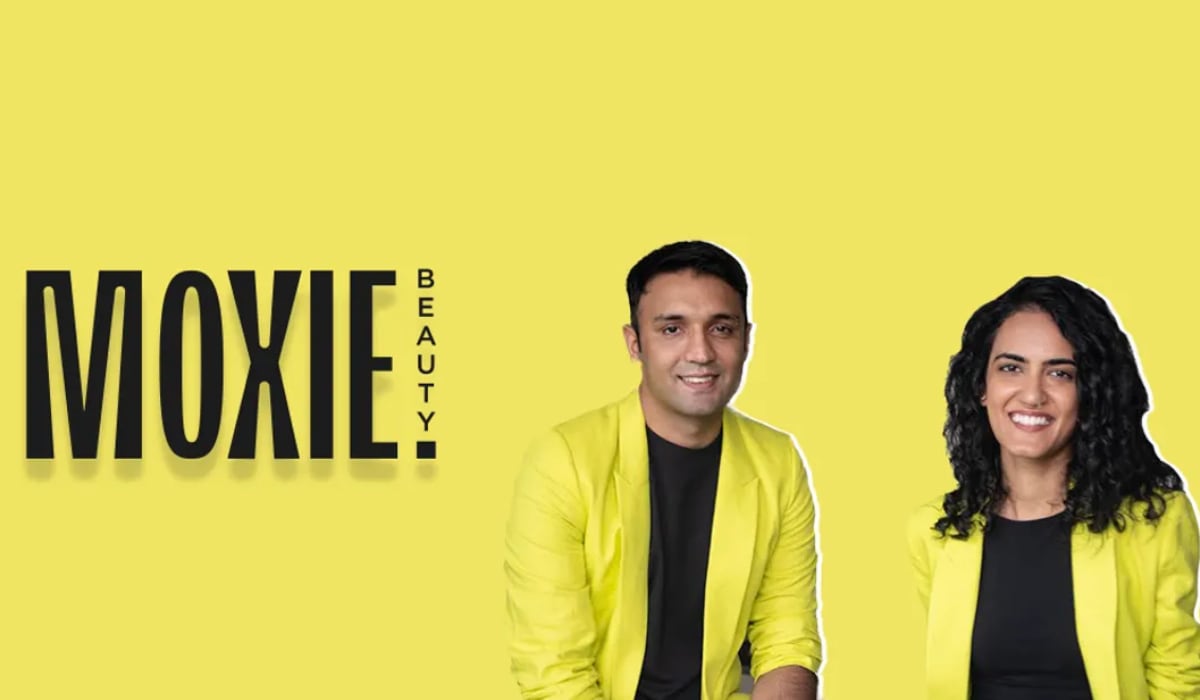
Founder's Linkedin- Nikita Khanna and Anmol alhawat