This new fund is expected to give a strong boost to early-stage startups across the country, especially in Tier-2 and Tier-3 cities, deep-tech sectors, and new-age industries like AI, EVs, climate tech, and manufacturing.
The government does not give this money directly to startups. Instead, the money goes to SEBI-registered venture capital (VC) funds, which then invest in startups.
Think of it like this:
Government → Venture Capital Funds → Startups
This model helps in two ways:
1. It brings private investors and government support together.
2. It ensures startups are evaluated professionally before funding.
The fund is managed by SIDBI (Small Industries Development Bank of India).
The first fund was launched in 2016 when India’s startup ecosystem was still growing. At that time, early-stage funding was limited and many founders struggled to raise capital.
Since then, the startup ecosystem has exploded:
India now has 100,000+ registered startups
India has become the 3rd largest startup ecosystem in the world
Dozens of unicorns have emerged across sectors
The government saw that the first fund worked well and decided to launch Startup India Fund 2.0 to continue the momentum.
The first Fund of Funds created a massive impact:
Government committed ₹10,000 crore
This money helped VC funds raise ₹90,000+ crore in total capital
That means every ₹1 from the government attracted **₹9 from private investors
This multiplier effect is the biggest success of the scheme.
Thousands of startups received funding indirectly
Many unicorns and high-growth startups benefited
Early-stage funding in India became much easier to access
In simple words, the first fund helped kickstart India’s venture capital ecosystem.
The new ₹10,000 crore fund will focus on areas where funding is still difficult.
1. Early-stage startups
Seed and Series A funding is still tough to get in India.
This fund will increase capital availability for young startups.
2. Deep-tech and innovation
Government wants India to build technology locally.
Funding will focus on:
AI and machine learning
Semiconductor and electronics
Space and defence tech
Climate and clean energy
EV and mobility
Biotechnology
These sectors require long-term capital and patient investors.
3. Startups beyond metro cities
Earlier, most startup funding went to:
Bengaluru
Delhi NCR
Mumbai
Now the focus is shifting to Bharat startups in smaller cities.
This fund will help founders from Tier-2 and Tier-3 cities get better access to investors.
4. Job creation and manufacturing
The government wants startups to create jobs and build products in India.
Manufacturing and hardware startups are expected to benefit heavily.
Startups cannot apply directly to the government for this fund.
Instead, they should follow this path:
1. Register on the Startup India portal and get DPIIT recognition.
2. Build a strong business plan and traction.
3. Approach venture capital funds supported by SIDBI.
4. Raise funding from those VC funds.
The benefit is indirect but powerful — because there will be more VC funds with more money to invest.
For founders, this means:
More funding opportunities
Easier access to capital
Better valuation environment
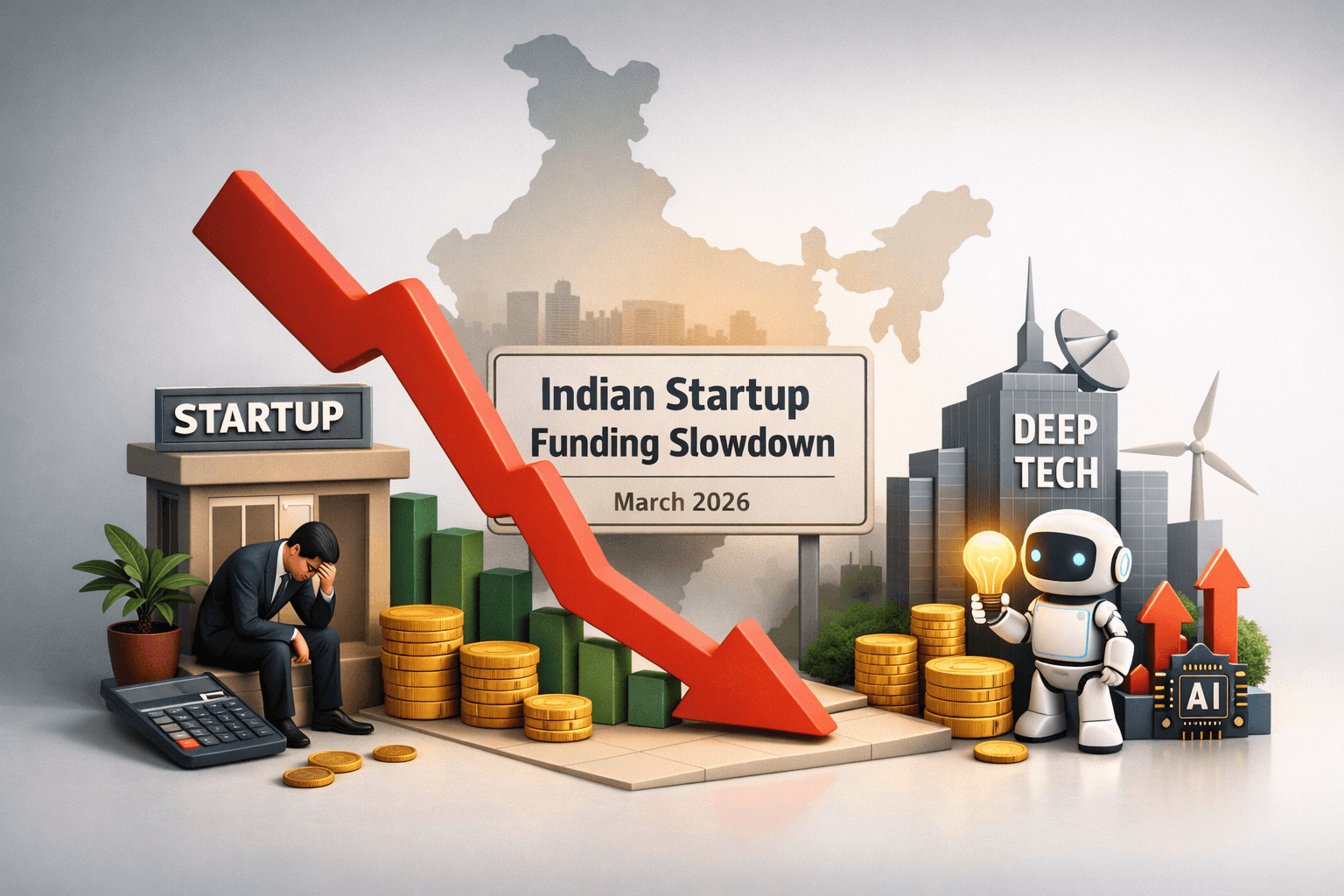
Startup funding slowed down globally in the last two years. Many startups struggled to raise money due to global economic uncertainty.
Startup India Fund 2.0 sends a strong signal that:
India is committed to supporting innovation and entrepreneurship for the long term.
This move is especially important when:
AI and deep tech are reshaping industries
Manufacturing is shifting to India
Young entrepreneurs are emerging from smaller cities
The government’s long-term goal is clear:
Make India a global startup hub
Create millions of jobs
Build world-class technology from India
Reduce dependence on foreign innovation
The new ₹10,000 crore fund is another step toward that vision.
The first Startup India Fund helped build the foundation of India’s startup ecosystem.
The second fund aims to scale the next generation of Indian startups.
For founders, this means one thing:
More capital, more opportunities, and a stronger ecosystem to build in.
India’s startup journey is far from over — in many ways, it is just getting started.
Quick Share